عربة التسوق
0
Inland North
Serras do Norte
Between Marão, Montemuro and Barroso, winters are long and so are the techniques. Here clay is fired in pits dug in the ground, wool is woven with lichen dyes and wine is buried to keep it.
17th centurythe roots of the soenga of Gondar
8thMontemuro, among the highest mountains in Portugal
1792the family house of the Wine of the Dead, in Boticas
Clay fired in the earth
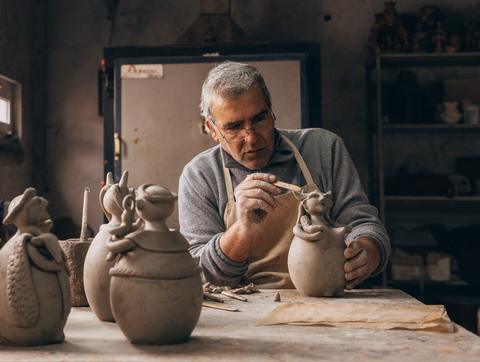
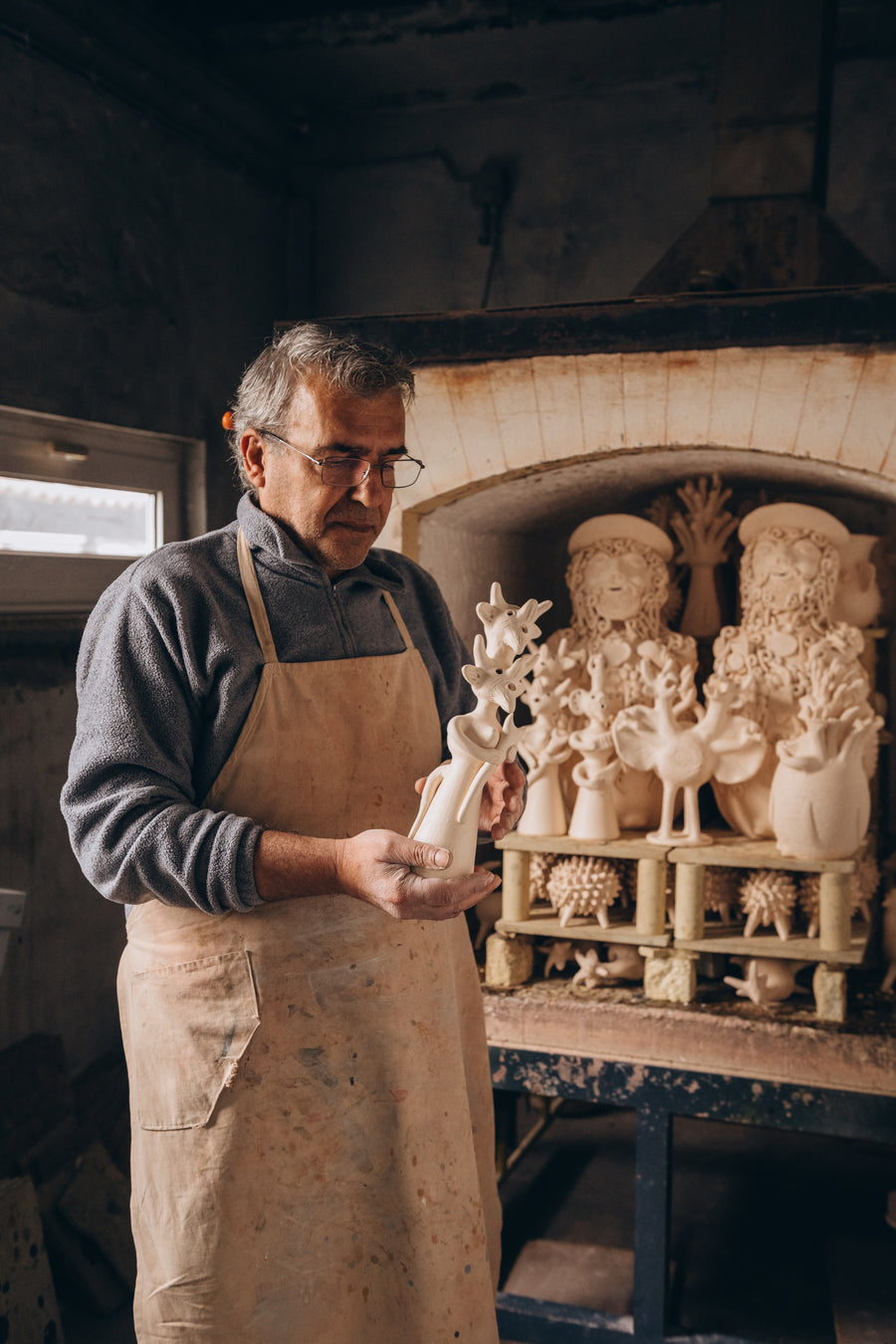
César Teixeira was born in Gondar, Amarante, in 1969, and at 18 he learned the low wheel and the soenga from master Manuel Teixeira: the clay is fired in a pit, covered with earth and wood, and comes out black. He is one of the last masters still working. His workshop is in the old primary school where he learned to read. His son João, who studied ceramics in Caldas, now works with him.


قدر من الطين الأسود
Very Rare46,20 €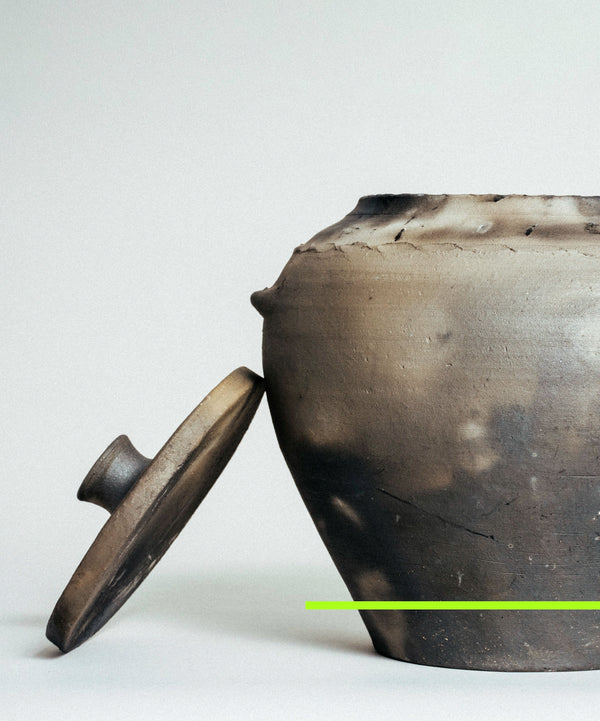

طاجن من الطين الأسود
Very Rare56,20 €

إبريق من الطين الأسود
Very Rare36,20 €

مزهرية من الطين الأسود
Very Rare31,20 €

طاجن من الطين الأسود
Very Rare36,20 €
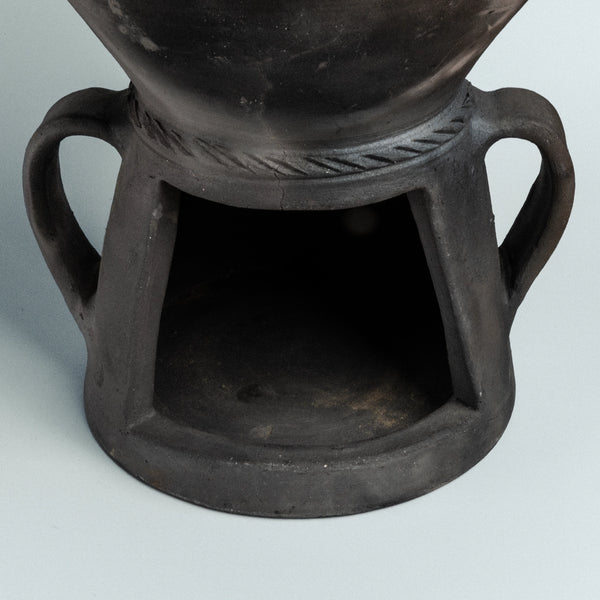
مشواة كستناء
Very Rare101,30 €The Capuchinhas of Montemuro
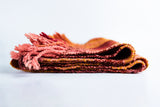
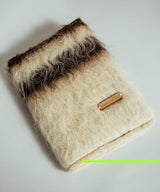
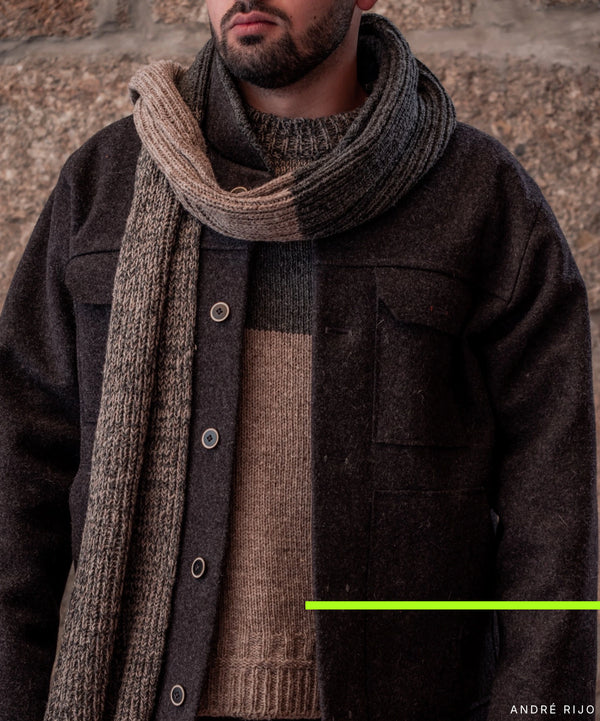
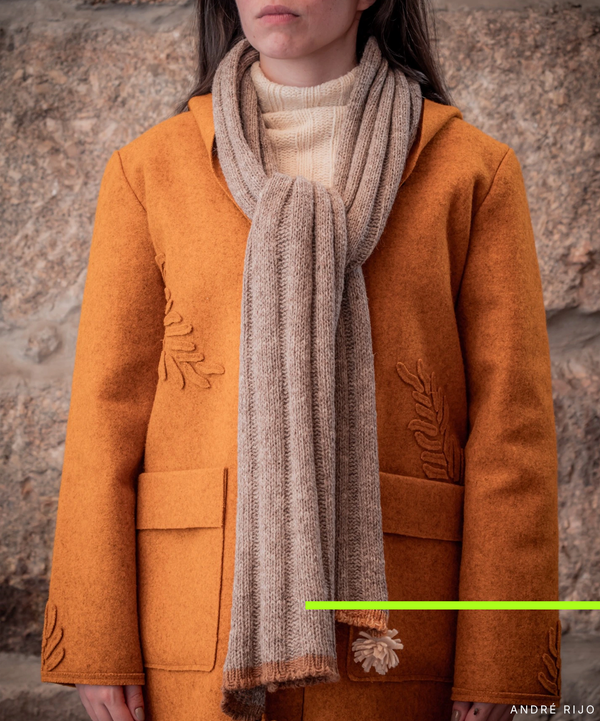
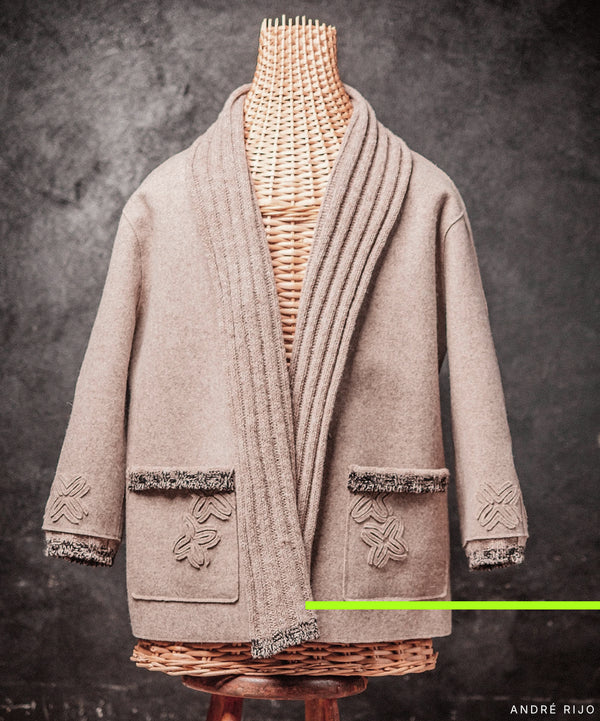
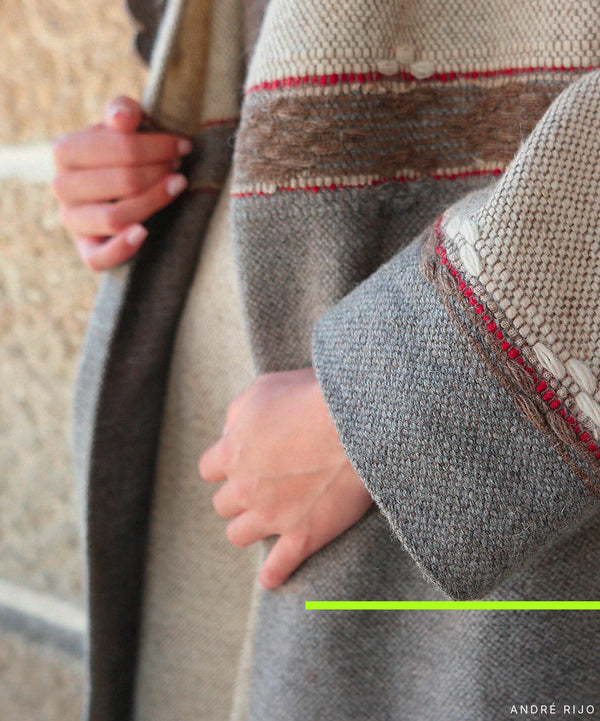
In the 1980s, when emigrating was the fate of many girls from the mountain, four friends from Campo Benfeito took a sewing course and stayed. The name comes from the shepherds’ capucha cloak. They weave burel, linen and wool on hand looms and dye with what the village gives: lichens for yellow, walnut leaves for brown, ferns and nettles for green.





The wine that is buried
More than two hundred years ago, in Boticas, bottles were buried to hide them from Napoleon’s troops. When they were dug up, the wine had changed: light, fresh, with a fine sparkle. Nuno Pereira is today the only producer of the Wine of the Dead, in the family house dating from 1792.


Take the whole mountains home
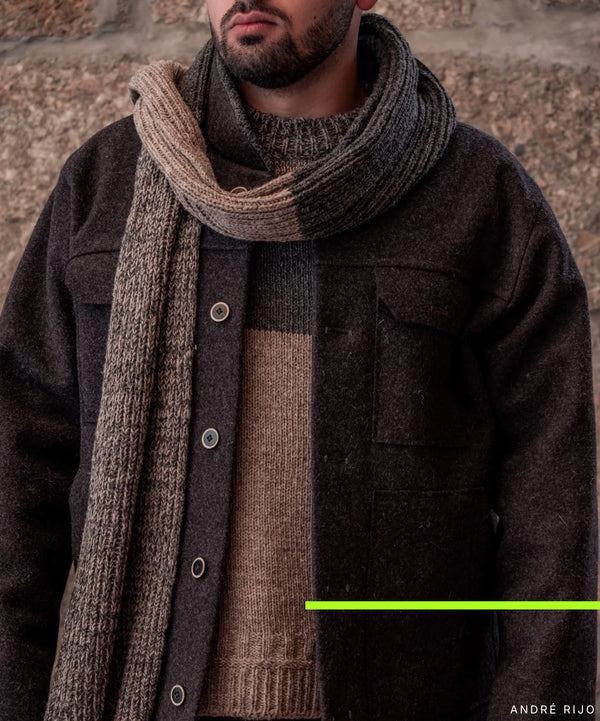
The same pieces, from the same maker, gathered in packs that cost 10% less than buying them separately.




 الخريف
 -10%Packs
 مناطق
مناطق