Cart
0
Why we say no to Black Friday: handmade work does not go on sale
There will be no discounts at Ra-Ro on 27 November. Here is why: pieces made by hand by a few artisans, a fair price for those who make them and rare crafts that only survive if someone can make a...
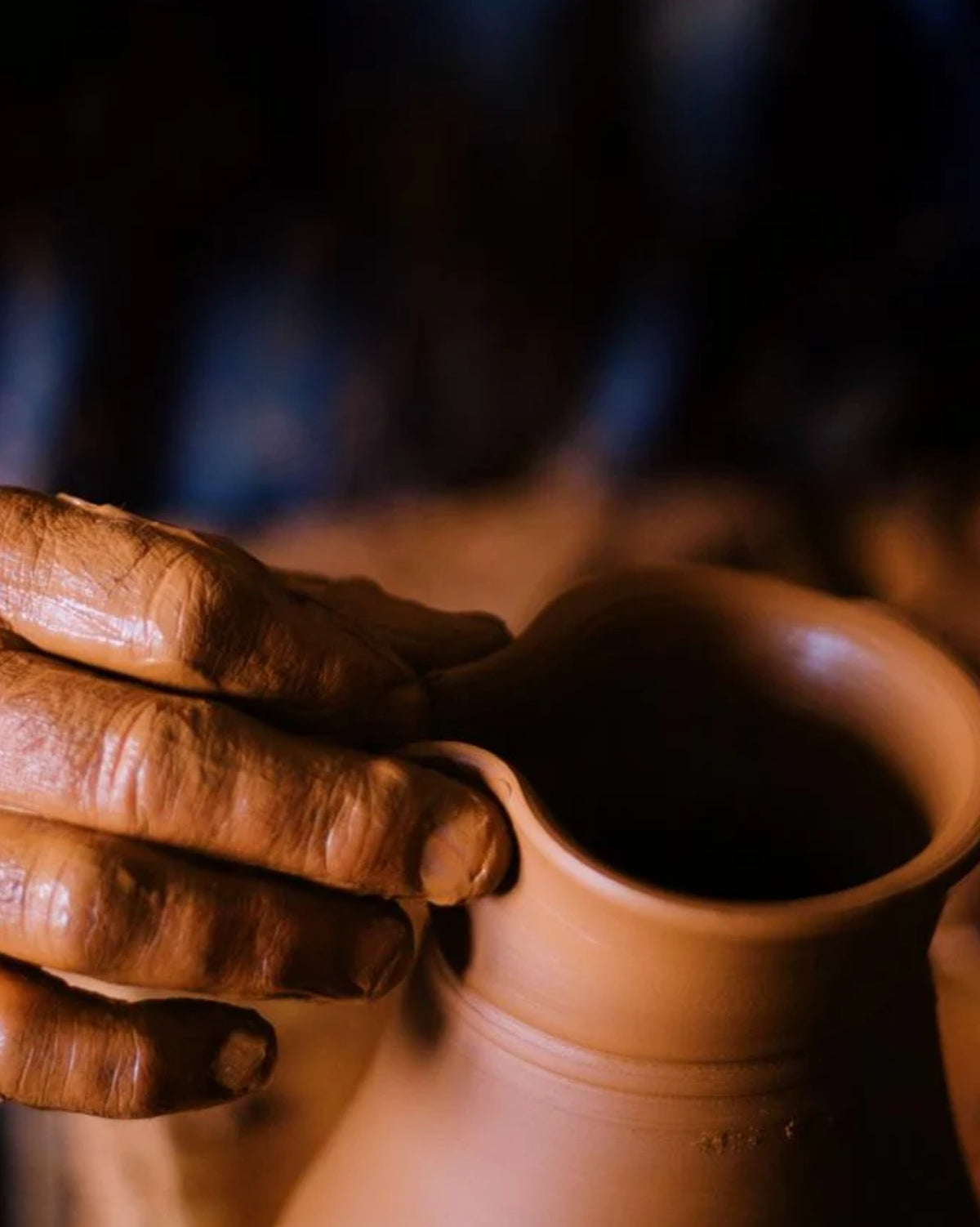
A maker's time is never on sale.
We won't be cutting prices this Black Friday. Each piece carries hours, hands and years of know-how, and we want the people who make them to be able to keep going.
In this article
 By Sérgio Carvalho, co-founder of Ra-Ro · View profile
About a 5 minute read

This year's Black Friday falls on 27 November. On that day, and in the weeks around it, inboxes fill up with percentages: 30, 50, 70 per cent off. At Ra-Ro there will be none. It is not an oversight or stubbornness. It is a decision we made with the people who make our pieces in mind.
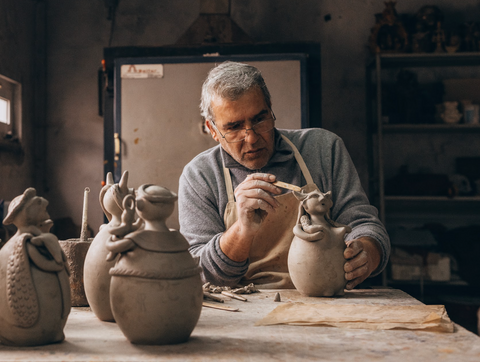
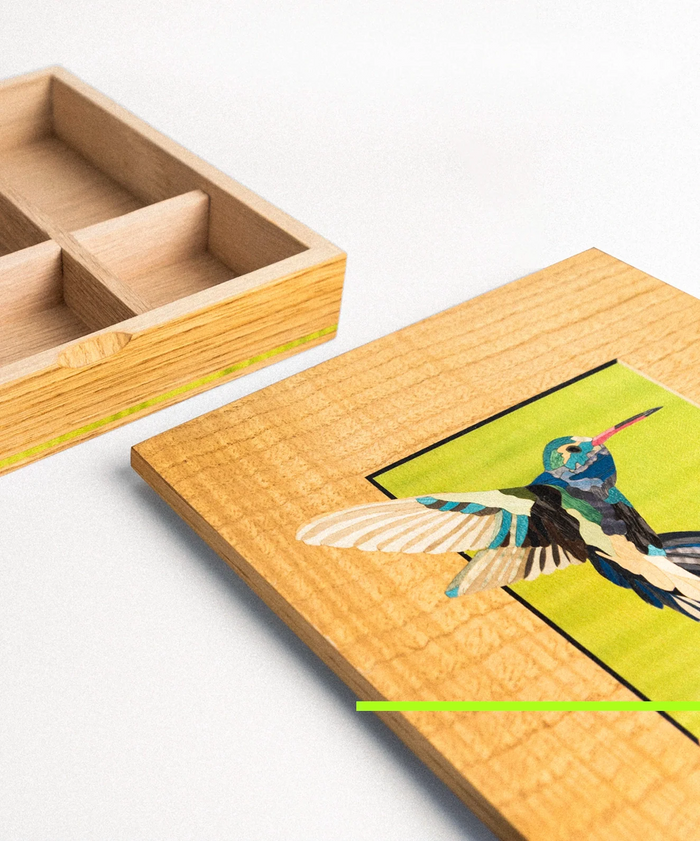
Ra-Ro does not offer Black Friday discounts because it sells Portuguese handicrafts made by hand, in small quantities, by artisans and small producers. On a mass-produced item, the discount comes from scale. A handmade piece has no scale: the discount comes out of the hours of the person who made it. Many of these crafts are already rare. To carry on, they need a fair price, not a low one.
What goes into the price of a handmade piece
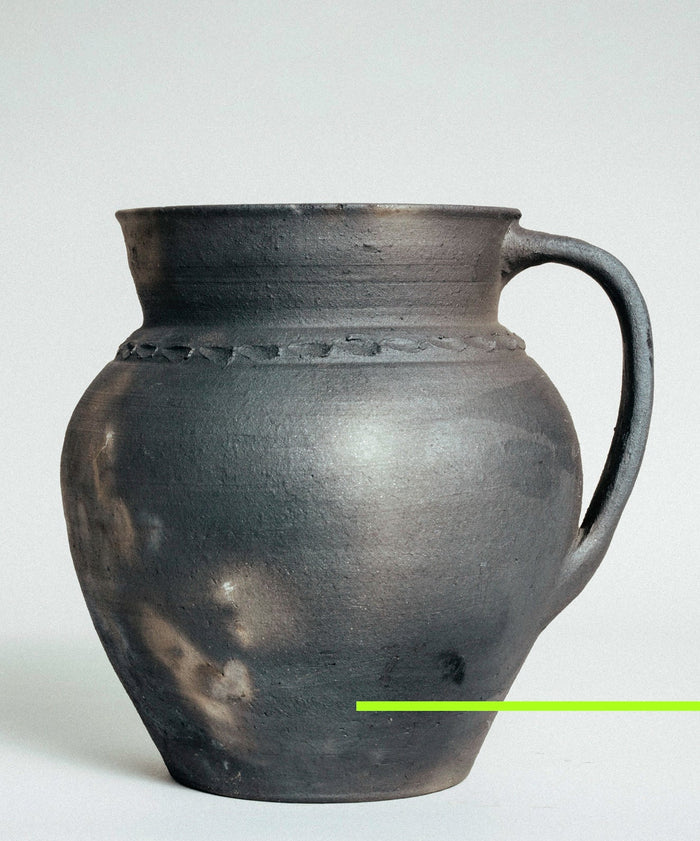
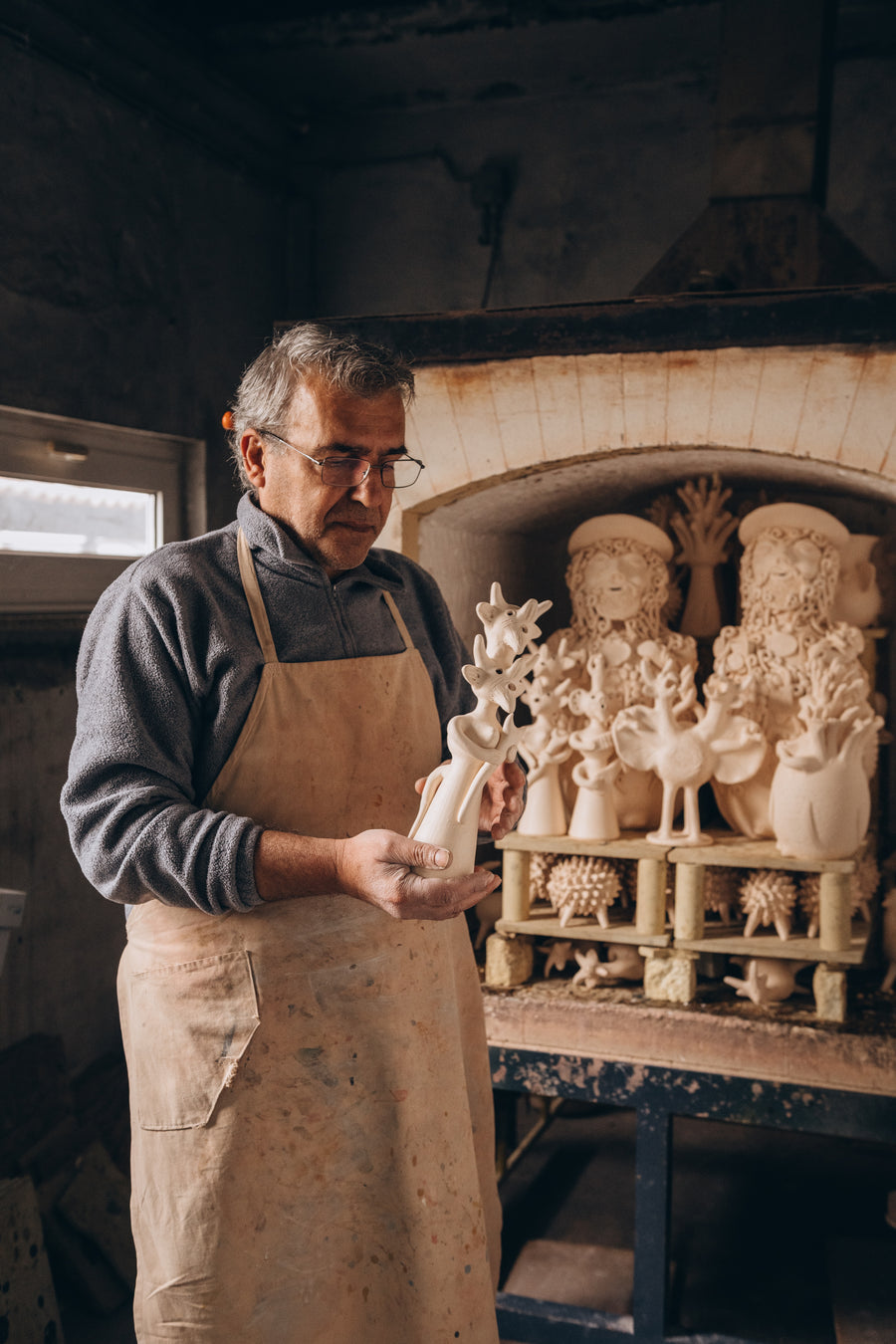
When you look at a Black Clay Púcaro by Cesar Teixeira, you are looking at Gondar clay thrown on the wheel and fired in a soenga, a pit firing covered with earth that turns the clay black. When you pick up A Parideira by António Ramalho, you are holding a piece of Barcelos figurative pottery modelled and painted one by one. A Sewn Basket by Musaz is banana fibre from the Azores, prepared and sewn by hand. None of these pieces comes off an assembly line. They come from a pair of hands, a kiln or a workbench, and they take as long as they take.
That is why the price of a handmade piece is, above all, time: the time to learn the craft, to gather and prepare the raw material, to make and to make mistakes. Cutting that price by 40% for a day does not make the time any shorter. It only means someone gets paid for less of it.
Who pays for the discount?
| Mass-produced item | Handmade piece | |
|---|---|---|
| Who makes it | A factory, often far away | A named artisan or small workshop |
| Quantity | Thousands of identical units | A few pieces, each one different |
| Where the discount comes from | Economies of scale and surplus stock | The hours of the person who made it |
| How long it lasts | Often until next season | Made to be used for years |
There is also a less visible effect. When everyone gets used to waiting for the sale, those who make things by hand feel pressure to work faster, cheaper and with poorer materials. That is how a craft loses what made it worthwhile.
Rare crafts need continuity
Many of the crafts you find at Ra-Ro depend on very few people. For some of them, the hands that still know how can be counted on your fingers, and the question is not how much will sell this month but whether anyone will carry on. This is no exaggeration: the production process of Bisalhães black pottery, in Vila Real, has been on UNESCO's list of intangible heritage in need of urgent safeguarding since 2016.
A craft carries on when the person who practises it can make a living from it, pay for raw materials, keep the workshop open and have time to teach. That is what a fair price pays for. It is also why we created the Ra-Ro Index, our rarity scale: the rarer a craft, the more each piece sold at the right price counts.
So what do we do instead?
- A fair price every day. We do not set prices only to cross them out later.
- We tell you who makes it. Every piece has an artisan or producer behind it, and on our Stories page we tell you where they come from.
- Free shipping over €50 on orders to mainland Portugal and Spain.
- An open door for makers. If you make something rare by hand, you can apply to become a Ra-Ro producer.
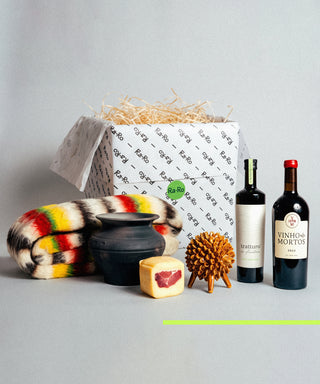
- Christmas without the rush. Many pieces exist in one or two units and some are made to order, so it pays to order early. Our Christmas hampers and the Rare Christmas page group ideas by price.
How to shop well, Black Friday or not
- Ask who made it and where. If nobody can answer, be wary. We listed 8 signs in How to recognise authentic Portuguese handicrafts.
- Buy less, buy better. One piece that lasts is worth more than three that end up in the bin.
- Choose things made nearby. The money stays in the workshop, the village and the region.
- Be wary of too cheap. If a "handmade" piece costs the same as a factory one, it probably is not handmade.
We have nothing against anyone using Black Friday to buy the fridge they needed. We just think a basket, a púcaro or a blown glass tumbler do not belong to that day. They belong to the people who made them, and to the time they took to make.
Frequently asked questions
Does Ra-Ro offer Black Friday discounts?
No. There are no discounts at Ra-Ro on Black Friday, 27 November 2026. Prices are the same as every other day.
Why doesn't Ra-Ro do Black Friday?
Because it sells handmade pieces in small quantities. A discount on a handmade piece comes out of the maker's hours, and many of these rare crafts only survive if artisans are paid fairly.
Does Ra-Ro offer free shipping?
Yes, on orders over €50 to mainland Portugal and Spain.
How can I tell if a piece is really handmade?
Ask who made it, where and with what materials. Small differences between pieces, the artisan's name and a clear origin are good signs.
When should I order Christmas gifts?
As early as possible. Many pieces exist in small numbers and some are made to order, so shipping times vary from piece to piece.
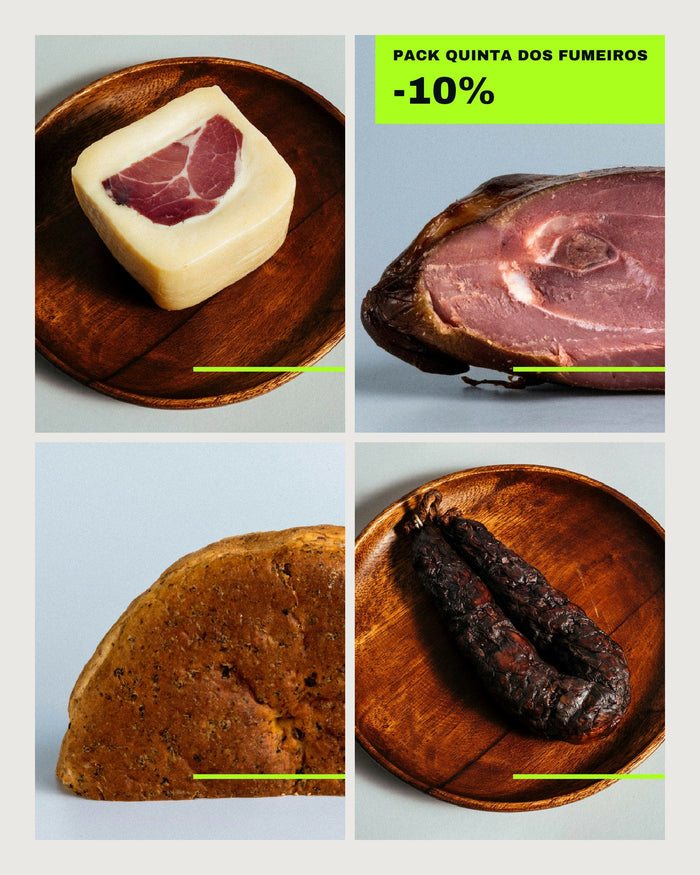
 -10%Rare Combinations
 November Selection