Cart
0
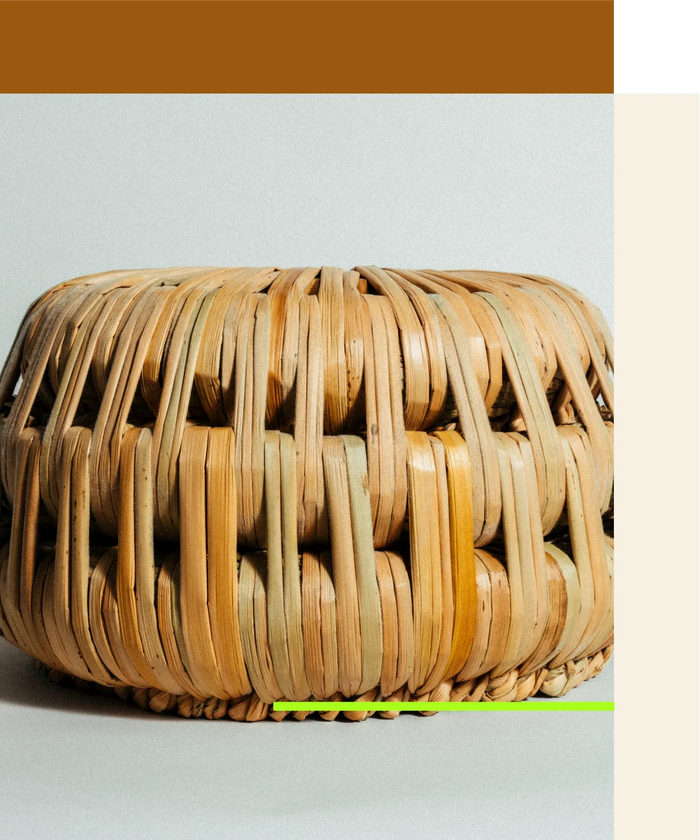
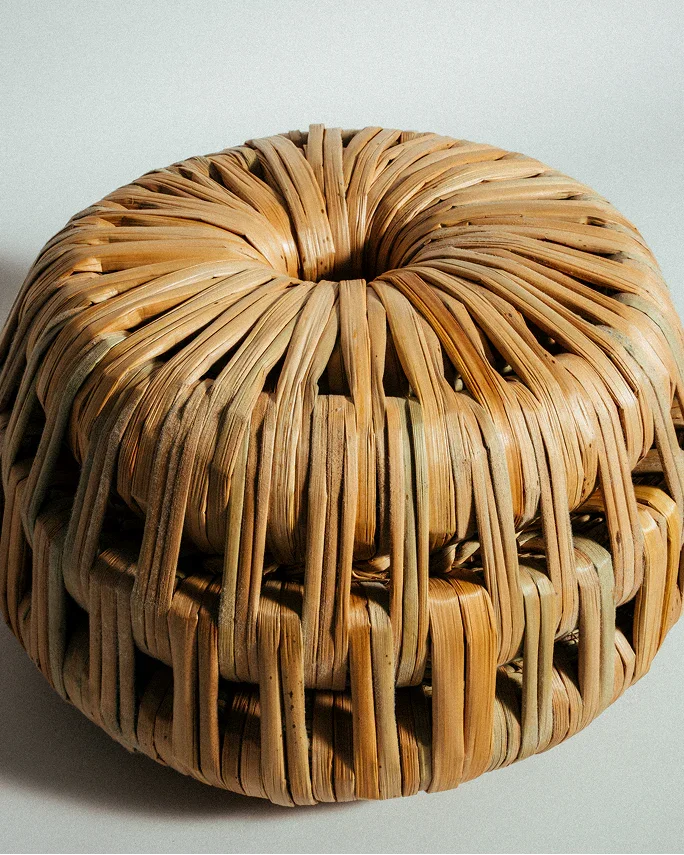
Bunho is a giant wetland rush, also called erva-de-esteira (mat grass), with round, smooth, leafless stems that can reach three metres. Harvested green in summer and dried in the sun, it is woven and tied by hand to make tanhos, benches, mats and other pieces of traditional Portuguese furniture.
Origin and history
Bunho furniture flourished in the regions of Santarém and Alcobaça, where it peaked between the 1950s and the 1980s. Tanhos, low benches and mats were common pieces in rural homes. Bunho mats also have a tradition in other parts of the country, such as the Coimbra region and the Ria de Aveiro.
With the arrival of industrial materials, the craft shrank sharply. According to the Saber Fazer programme, only two artisans over sixty remain in the Santarém area. One of them, master Manuel Ferreira, taught the craft to Helena Novelletto, one of the youngest bunho weavers still working.
How it is made
Bunho grows in dense masses on the edges of lagoons, reservoirs, ditches and slow-moving streams. It is gathered in June, July and August, still green, with a sickle or scythe. Once cut, it is spread on the ground and dried in the sun, on both sides, for several days. It takes about six months to lose all its moisture and must be stored somewhere dry so it does not go mouldy.
The artisan weaves and ties the stems by hand, with specific techniques that preserve the plant’s natural colour. It is physical work: the braids must be tight and even so the bench or tanho can bear a person’s weight for many years.
Where it comes from
Bunho grows in permanent fresh water all over the country, but bunho furniture is linked above all to the Ribatejo and the Alcobaça region. Helena Novelletto, born in Brazil, now works in Caldas da Rainha, where she weaves the bunho she harvests herself in its natural habitat.
How to recognise it and care for it
A bunho piece is the colour of greenish or golden straw, with visible round stems and a soft plant scent. It is light, firm and slightly flexible. To last, it should live indoors, away from rain and damp, and be cleaned with a dry cloth or a gentle vacuum. Palm and esparto are related fibres, but from dry-land plants.
Where to buy
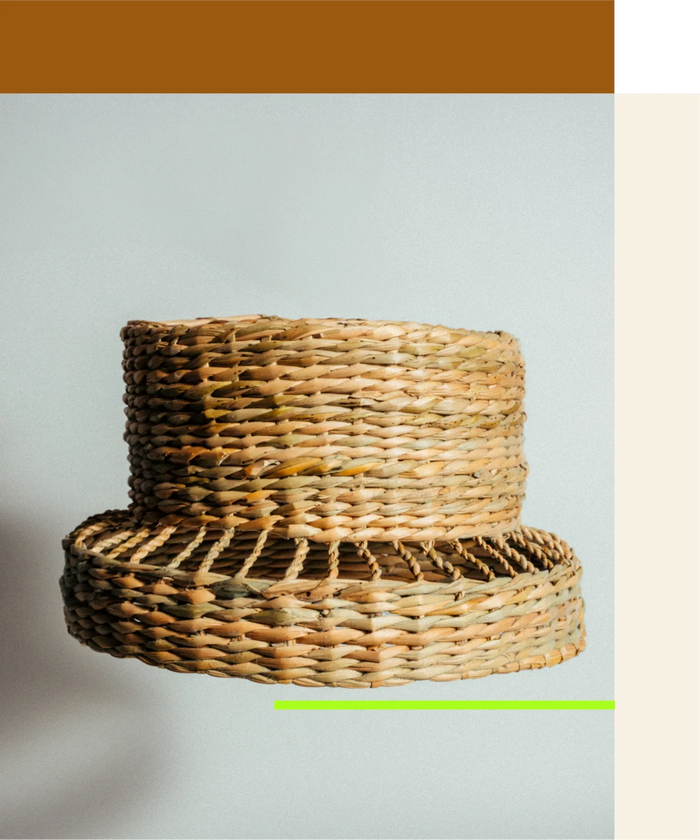
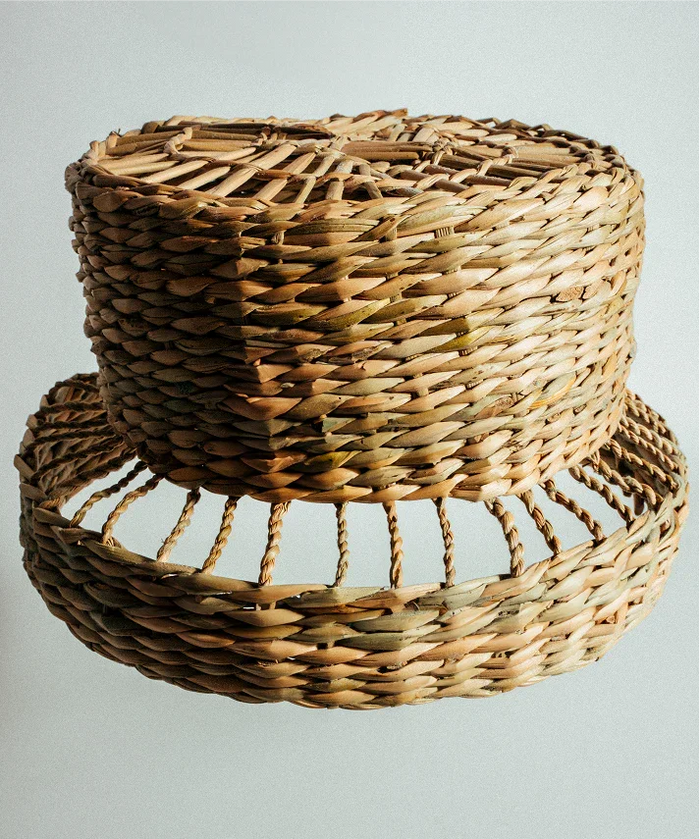
At Ra-Ro you can buy bunho pieces by Helena Novelletto: the Woven Stool (Tanho), the Bunho Cushion and the Bunho Lamp. Each piece is woven by hand in her workshop in Caldas da Rainha.
Frequently asked questions
What is bunho?
It is a giant freshwater rush, also called erva-de-esteira, with round, smooth stems. Dried in the sun, it is woven to make tanhos, benches and mats.
What is a tanho?
It is a traditional low stool made of bunho woven and tied by hand, typical of the bunho furniture of the Ribatejo and the Alcobaça region.
Where can I buy bunho pieces?
From the few artisans still working or online at Ra-Ro, which sells the bunho stool, cushion and lamp by Helena Novelletto, from Caldas da Rainha.