Cart
0
Cobertor de papa is a traditional blanket from Guarda, Portugal, woven by hand on a wooden loom from churra sheep wool. It is thick, heavy, warm and almost waterproof, with long hair raised by fulling and carding. For centuries it sheltered the shepherds of Serra da Estrela and today it is made mainly in Maçainhas.
Origin and history
The cobertor de papa was born in the parishes of the municipality of Guarda, mainly Trinta, Meios and, later, Maçainhas. The nearby Mondego river made it possible to run water-powered fulling mills, essential for working the wool. Production grew in the 18th century under the Marquis of Pombal’s industrial policies.
With weavers ageing and the last factory in the region closing in 2013, the blanket came close to disappearing. In 2018, Céu Reis, who had worked there for over two decades, founded the association O Genuíno Cobertor de Papa with 15 other members. It rescued a hand loom about 300 years old and began weaving the old way again, with the same artisans working as volunteers.
As for the name, the most common explanation links it to the porridge-like (papa) look the wool takes on when the blanket is soaked during finishing.
How it is made
It all starts with shearing, in May and June. The coarse, long churra wool, from the churra mondegueira and churra do campo breeds, is washed, spun and, when needed, dyed. The threads are warped and the blanket is woven in plain weave on a wooden hand loom.
Then comes fulling: the piece is beaten with water in the fulling mill until the wool thickens and felts. Carding then raises the long hair that gives the blanket its shaggy feel. Finally it dries in the sun, stretched on racks. A blanket leaves the loom at about 2.5 metres and shrinks to around 1.80 metres during the process.
Where it comes from
The cobertor de papa comes from the Guarda region, in Beira Alta, next to Serra da Estrela. The village of Maçainhas is now its main centre, home to the association’s workshop and to a festival of mountain traditions that celebrates the blanket.
How to recognise it and care for it
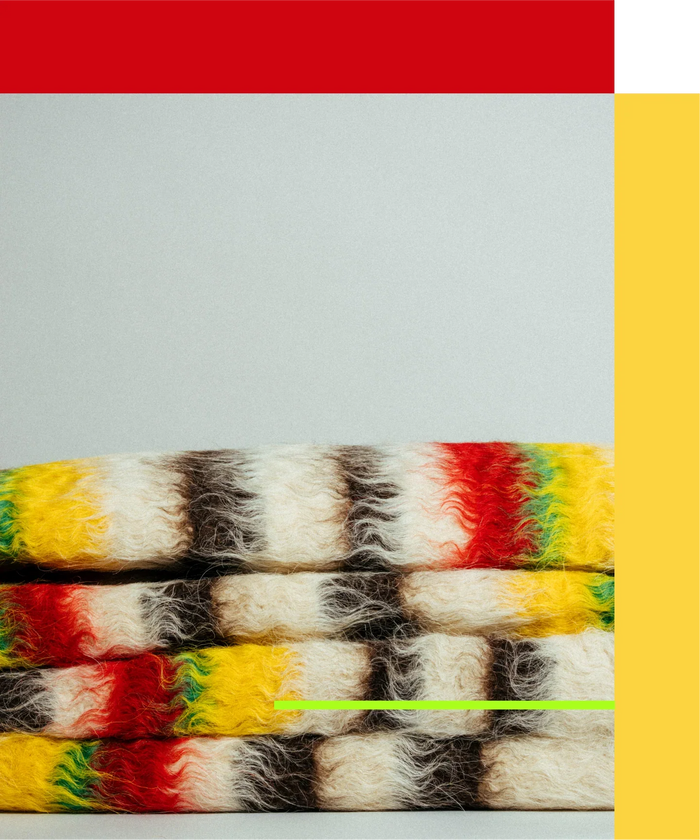
A genuine cobertor de papa is heavy, dense and has long hair on one side. It smells slightly of natural wool. Traditional patterns include plain white, white with stripes at the ends, the brown manta barrenta or shepherd’s blanket, the colourful striped manta lobeira and single-colour versions. Like any heavy wool piece, it should be aired regularly and stored dry.
Where to buy
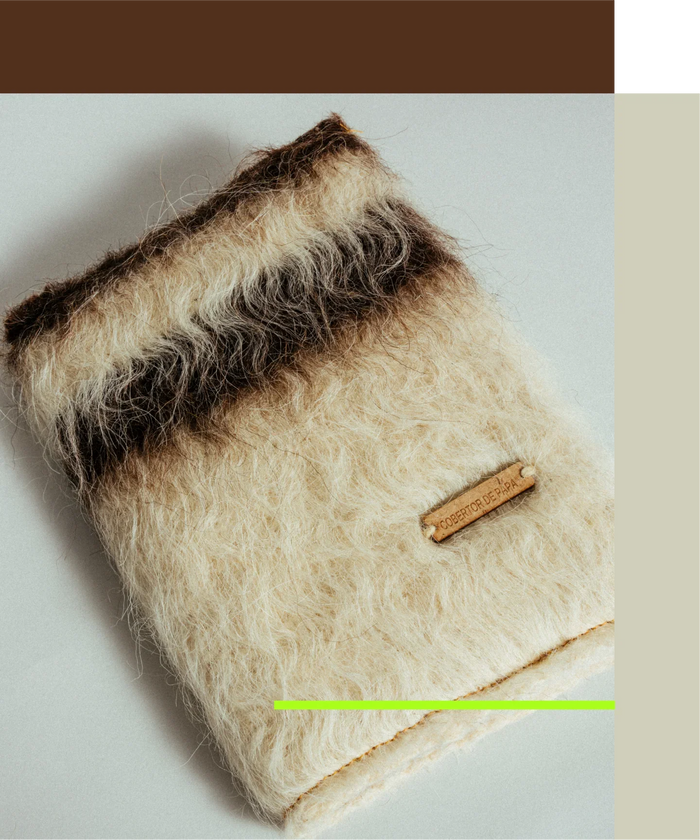
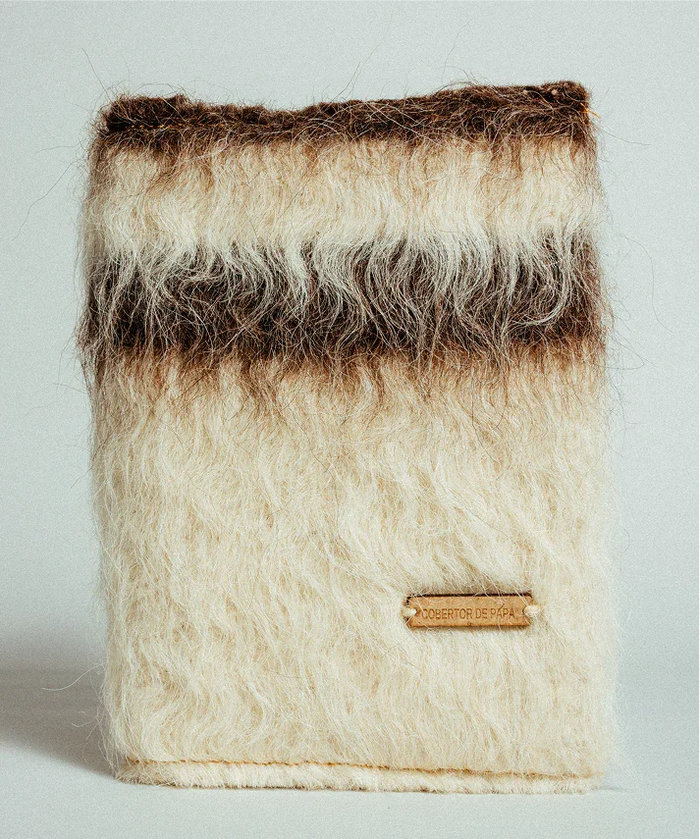
At Ra-Ro we sell blankets woven by the O Genuíno Cobertor de Papa association in Maçainhas. In September 2026, the Cobertor de Papa (Shepherd’s Blanket) cost €198.10 and the Cobertor de Papa (Manta Lobeira) €271.90, according to the product pages. There is also a Cobertor de Papa Notebook. The current price is always on each product page.
Frequently asked questions
How much does a cobertor de papa cost?
At Ra-Ro, in September 2026, the Cobertor de Papa (Shepherd’s Blanket) cost €198.10 and the Cobertor de Papa (Manta Lobeira) €271.90. The current price is on each product page.
Where can I buy a cobertor de papa?
From the O Genuíno Cobertor de Papa association in Maçainhas, Guarda, or online at Ra-Ro, which sells blankets woven by this association.
Why is it called cobertor de papa?
The most common explanation links the name to the porridge-like (papa) look the wool takes on when the blanket is soaked and beaten during finishing.