Cart
0
Fumeiro is the place where meats are hung to be smoked and, by extension, the name of the products themselves: sausages, hams and other pork cuts cured over wood smoke. It is a strong tradition in northern Portugal, linked to the winter pig slaughter.
Origin and history
Fumeiro was born from the need to keep meat. The pig slaughter took place around Christmas, when the cold kept meat best. Salt, smoke and time did the rest, and the pieces lasted for many months.
In Trás-os-Montes the tradition is also an important part of the local economy. Vinhais calls itself the Capital of Fumeiro and has held a fair devoted to these products since 1980. In the Minho, in Ponte de Lima, Quinta dos Fumeiros began in 1988, when Aurora Miranda do Rego started a small family business raising pigs. In 1999 her daughter, Deolinda Campelo, took over and took the family smokehouse further.
How it is made
The pork is cut, seasoned and, for sausages, stuffed into casings. The pieces are then hung above the hearth or in a dedicated room, the fumeiro, where dry wood burns. In Trás-os-Montes oak and chestnut are the main woods. In the Vinhais tradition, sausages spend eight to fifteen days in direct smoke and then about fifteen days to a month drying nearby.
At Quinta dos Fumeiros the meat is smoked over local oak and cured for months before it is sliced. Slow smoke dries the meat, protects it and gives it its typical aroma.
Where it comes from
Fumeiro has roots across the north and interior of the country: the districts of Vila Real (especially Chaves and Montalegre), Bragança, Viseu (Lamego) and Guarda, and also the Alentejo and neighbouring Galicia. Each area has its own pieces, such as salpicão, linguiça, alheira and butelo. Some have European protection, such as Alheira de Barroso-Montalegre PGI. In the Minho, Ponte de Lima keeps its own sausages, such as onion chouriço.
How to recognise traditional fumeiro
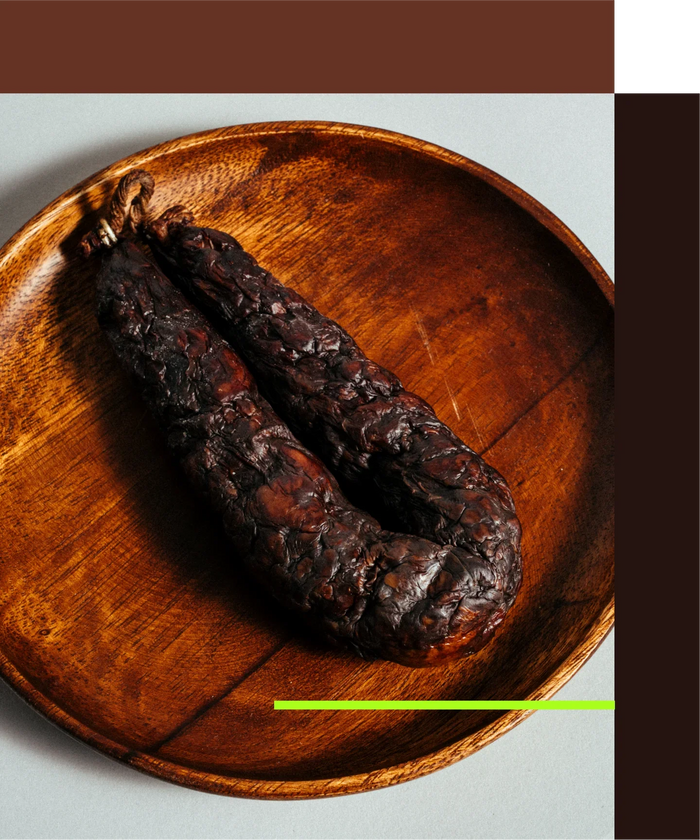
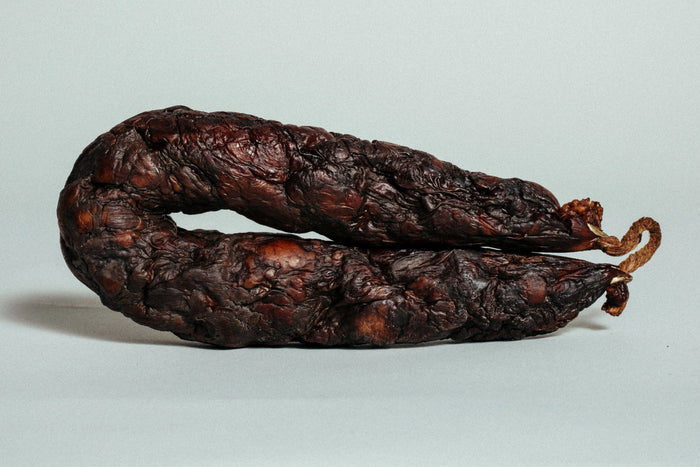
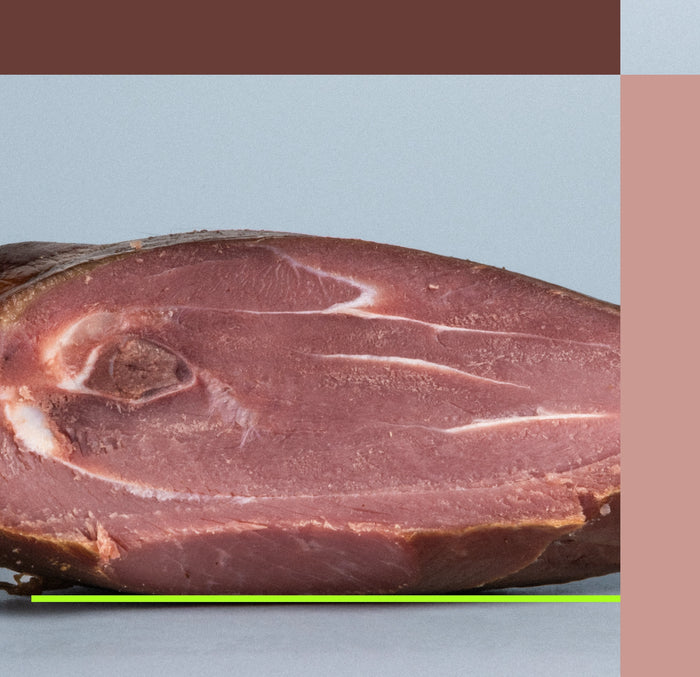
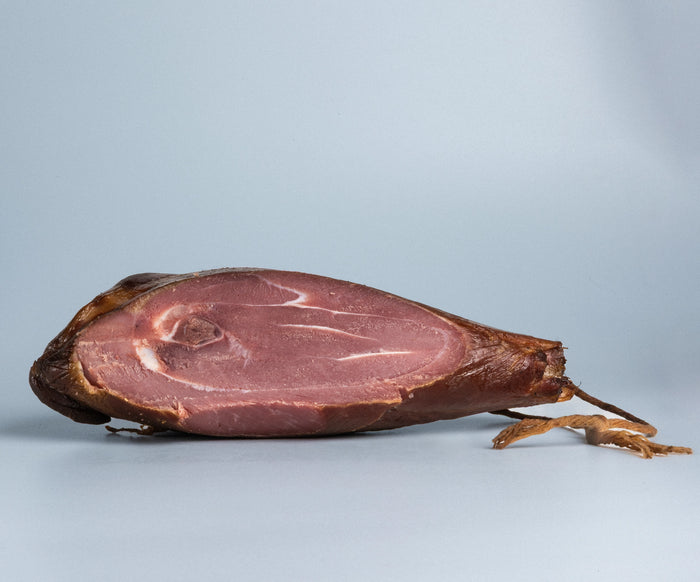
Traditional fumeiro has a dark, dry surface, a firm texture and a clear aroma of wood smoke. When sliced, the meat shows its pieces and seasonings. Because it is handmade, each piece varies slightly in shape and colour. For PGI products, look for the seal on the label. For the rest, the origin and the producer's name tell the story.
Where to buy
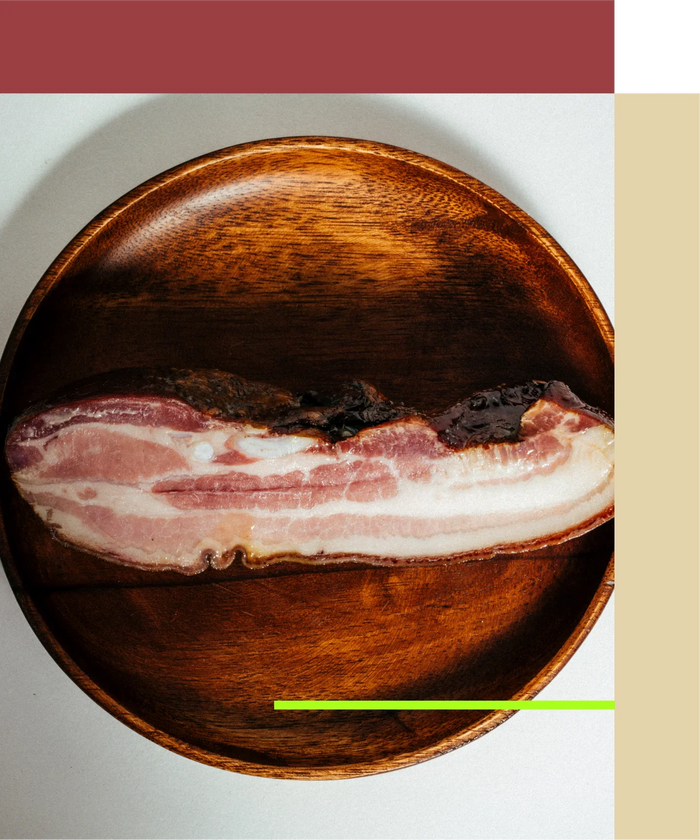
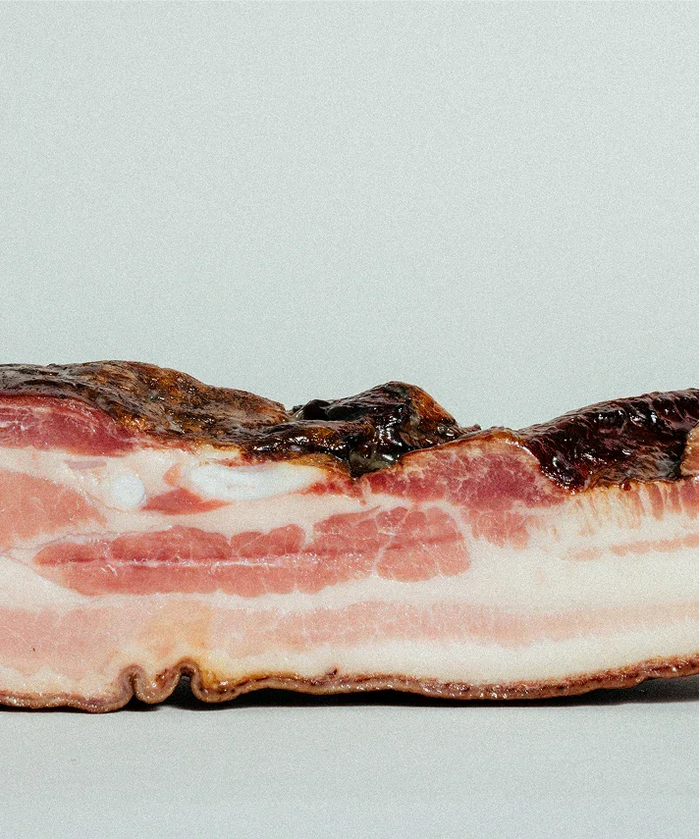
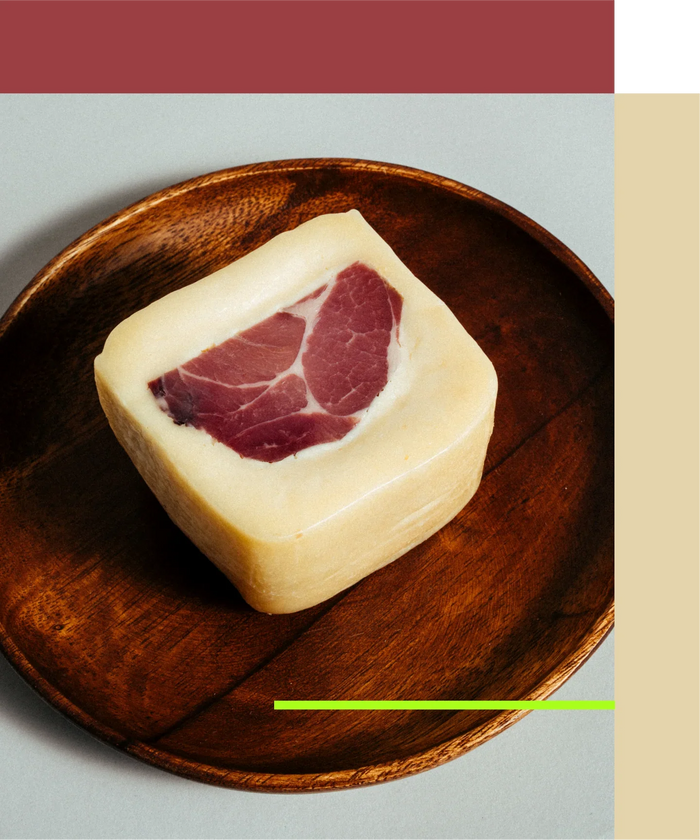
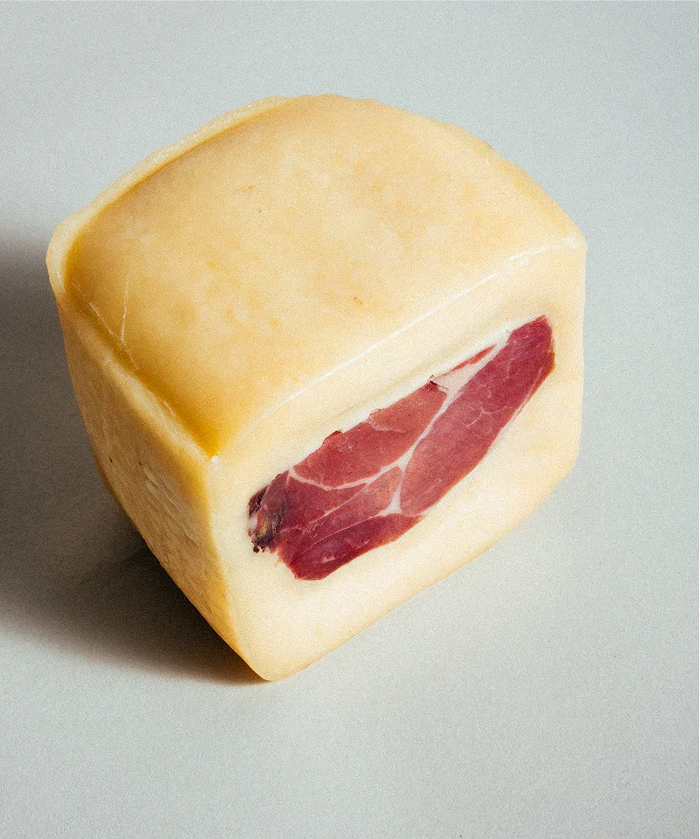
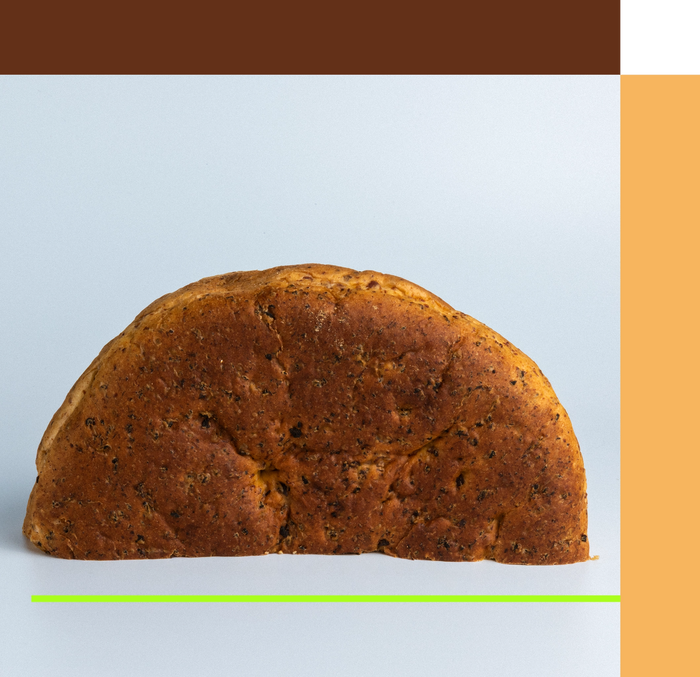
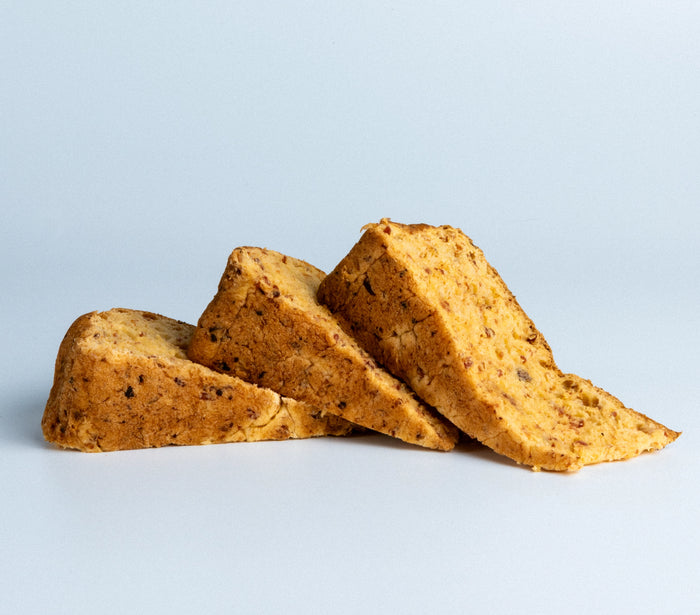
At Ra‑Ro you will find fumeiro from Quinta dos Fumeiros in Ponte de Lima. The Onion Chouriço combines pork with fresh onions from Póvoa de Varzim. The Smoked Pork Belly is a cut that is rarely smoked. The Pork Neck with Senra Cheese joins smoked meat and cow's milk cheese. The Turkey Ham applies traditional curing and smoking to turkey. At Easter, the Folar de Ponte de Lima is filled with the farm's sausages. To finish, a pinch of flor de sal. See more in the Ra‑Ro rarity index.
Frequently asked questions
What does fumeiro mean?
Fumeiro is the place where meats are hung to be smoked. The word also names the products prepared this way, mainly sausages and pork cuts.
What wood is used for fumeiro?
Dry wood, mainly oak and chestnut in Trás-os-Montes. At Quinta dos Fumeiros, in Ponte de Lima, the meat is smoked over local oak.
How long does fumeiro take?
In the Vinhais tradition, sausages spend eight to fifteen days in direct smoke and then fifteen days to a month drying. At Quinta dos Fumeiros, the meat is cured for months.