Cart
0
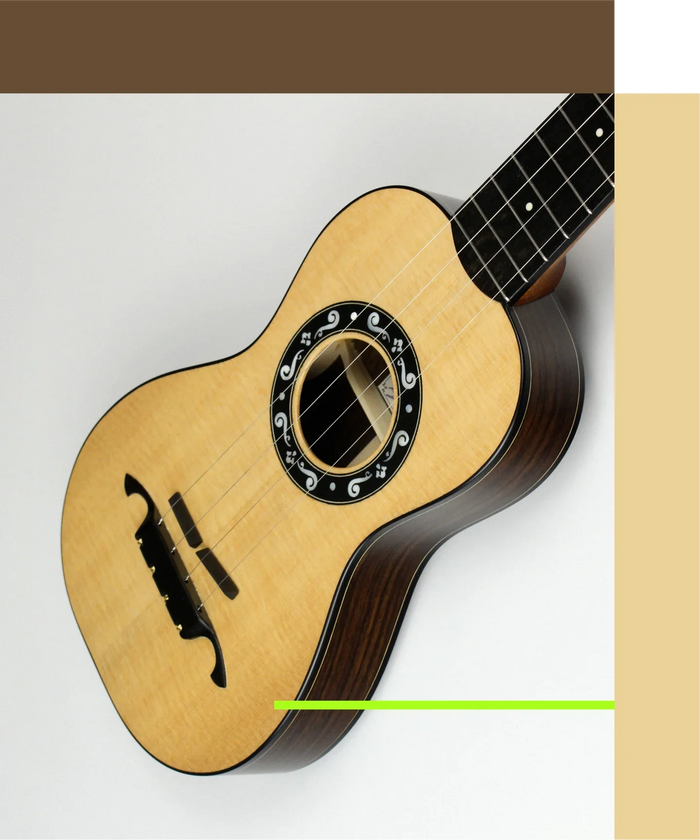
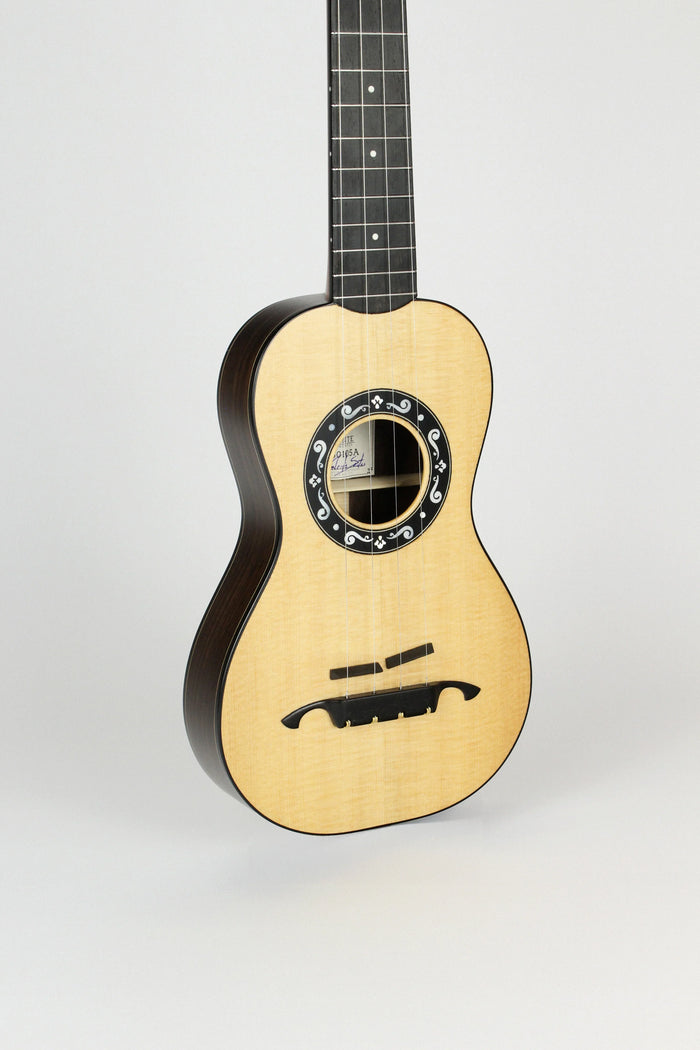
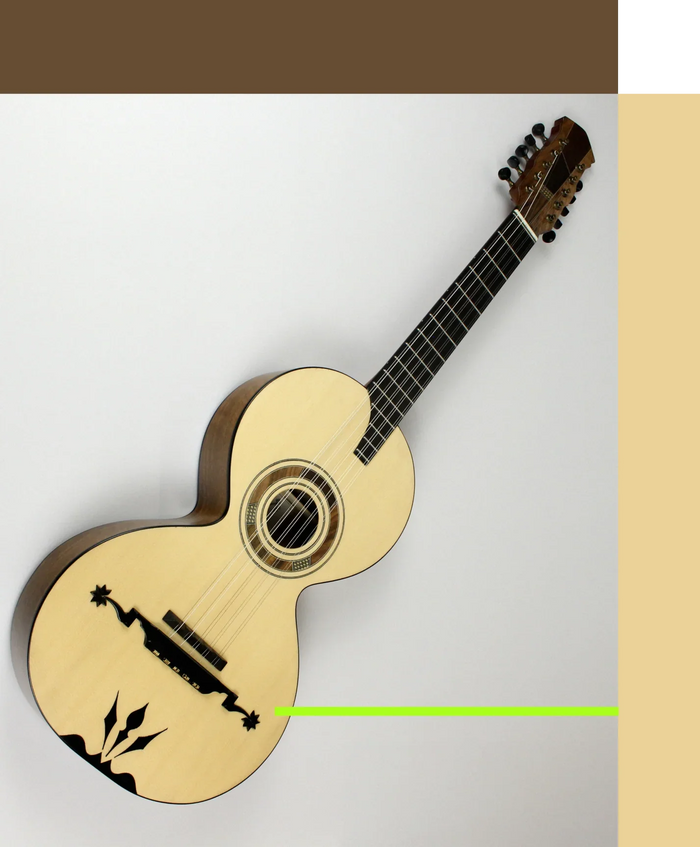
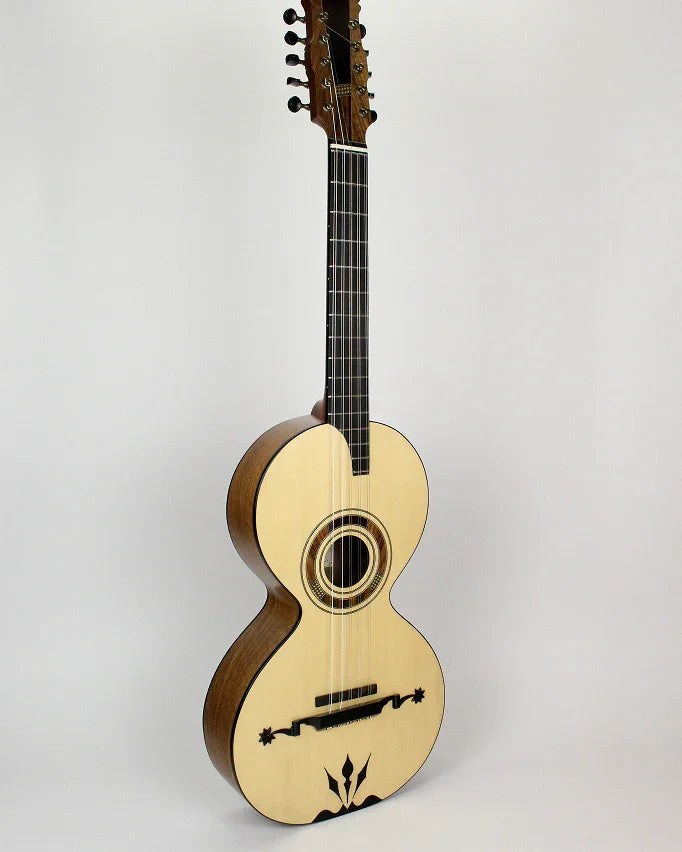
Cavaquinho is a small Portuguese folk string instrument of the guitar type, with a flat top and back and four strings. The Minho, in northern Portugal, is its heartland. It is mostly strummed, keeping the rhythm and harmony of festive music.
Origin and history
The exact origin of the cavaquinho is debated. Some scholars suggest a Spanish influence, but with no certain date of arrival. What is known is that it took root in the Minho, in the rusgas, the groups that liven up pilgrimages and village festivals with songs and dances. There was also a Lisbon type, with a raised fingerboard and seventeen frets. In Coimbra, where it was once common, it was replaced by the guitar. With Portuguese emigration, the cavaquinho travelled the world. It reached Madeira, where it is called braguinha, the Azores, Brazil and Cape Verde. According to studies gathered by the Museu do Cavaquinho, Portuguese emigrants took it to Hawaii in 1879, where it gave rise to the ukulele.
How it is made
The Minho cavaquinho has a flat neck, level with the top, and twelve frets. The ethnologist Ernesto Veiga de Oliveira describes a typical example of about 52 centimetres in total length. Traditionally the top is pine, lime or poplar, and the sides and back are lime, walnut or cherry. Strings can be gut or steel. There are several tunings. Among the most common are D, G, B, D and G, G, B, D, from low to high, but in the Minho it changes with the tune and the player. Today, luthiers such as Diogo Valente also use selected woods such as Engelmann spruce, Cameroon ebony, cocobolo or pau ferro, all carved by hand. In his workshop, each instrument takes about six weeks to finish.
Where it comes from
The cavaquinho is the string instrument of the Minho, heard in the rusgas and festivals of northern Portugal. It is still built in luthier workshops across the country. Instrumentos Valente has its workshop in Aveiro. Diogo Valente learned from the master José Gonçalves and in 2023 was named an Honorary Member of the Museu do Cavaquinho, in recognition of his role in carrying on the luthier tradition in Portugal.
How to recognise a handmade cavaquinho
A handmade cavaquinho shows in the details. The woods are chosen one by one and the finish is clean, without excess. Joints and frets sit neatly. The neck is straight, so notes sound in tune all along it. The sound should be clear and balanced across the four strings. A luthier's instrument is made to last and is often passed from one generation to the next.
Where to buy
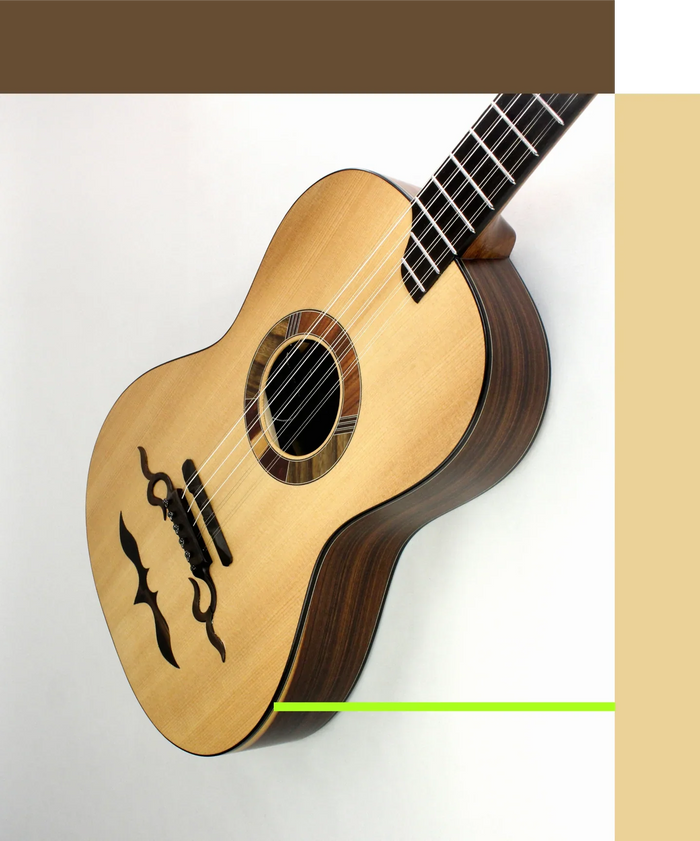
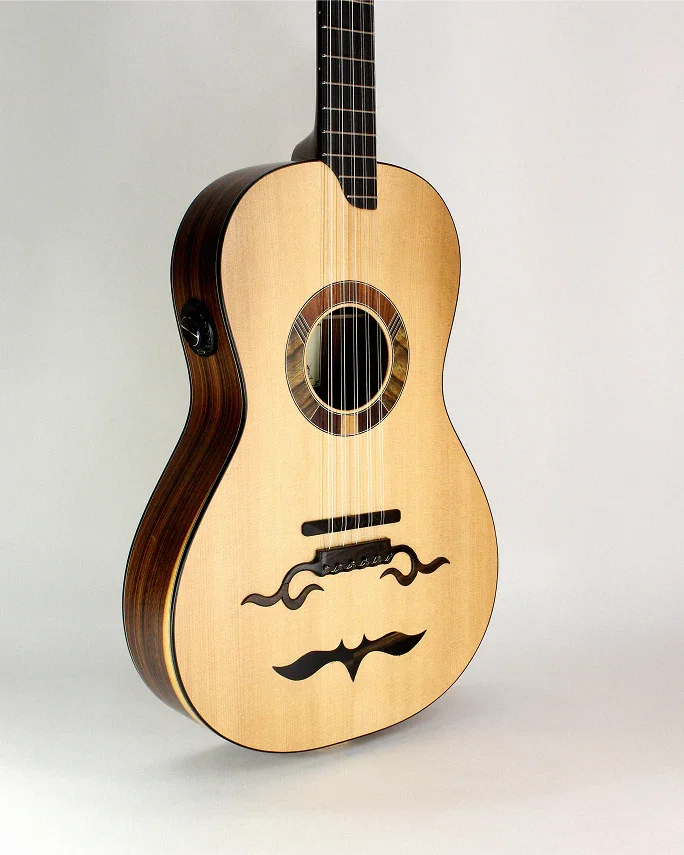
At Ra‑Ro you will find the luxury range Cavaquinho by Instrumentos Valente, built by hand by Diogo Valente. From the same workshop come the Viola Braguesa, another string instrument of the Minho, and the Viola Campaniça, linked to the Alentejo's cante. To learn more about these relatives of the cavaquinho, read about the viola braguesa and the viola campaniça, or see the Ra‑Ro Index.
Frequently asked questions
What is the difference between a cavaquinho and a ukulele?
They are close relatives. The ukulele was born in Hawaii from string instruments brought by Portuguese emigrants in the late 19th century. The cavaquinho keeps its own tunings and the Minho tradition of strumming.
How do you tune a cavaquinho?
There is no single tuning. One of the most common is D, G, B, D, from low to high. In the Minho several others are used, depending on the tune and the player.
How long does it take to make a handmade cavaquinho?
At the Instrumentos Valente workshop in Aveiro, each instrument takes about six weeks to finish. All the work is done by hand.