Cart
0
The Rooster of Barcelos (Galo de Barcelos) is a brightly painted rooster figure, traditionally made in clay by the craftspeople of Barcelos, in the Minho region of northern Portugal. It comes from a legend of faith and justice. Today it is one of the best known symbols of Portugal.
Origin and history
A pilgrim on his way to Santiago de Compostela was accused of a crime in Barcelos and sentenced to hang. He swore he was innocent and said a roasted rooster would crow to prove it. The rooster crowed and the pilgrim was saved. Inside the Archaeological Museum of Barcelos stands the Cruzeiro do Senhor do Galo, a stone cross that refers to this miracle of Saint James.
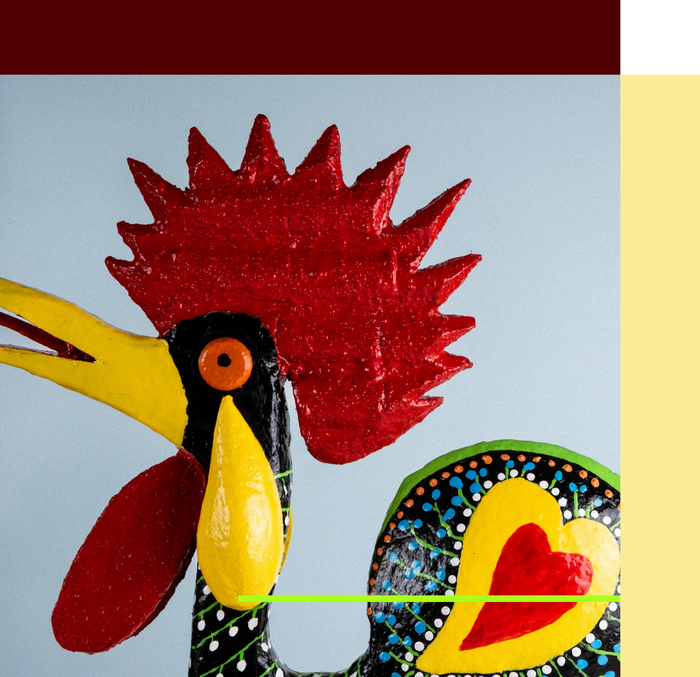
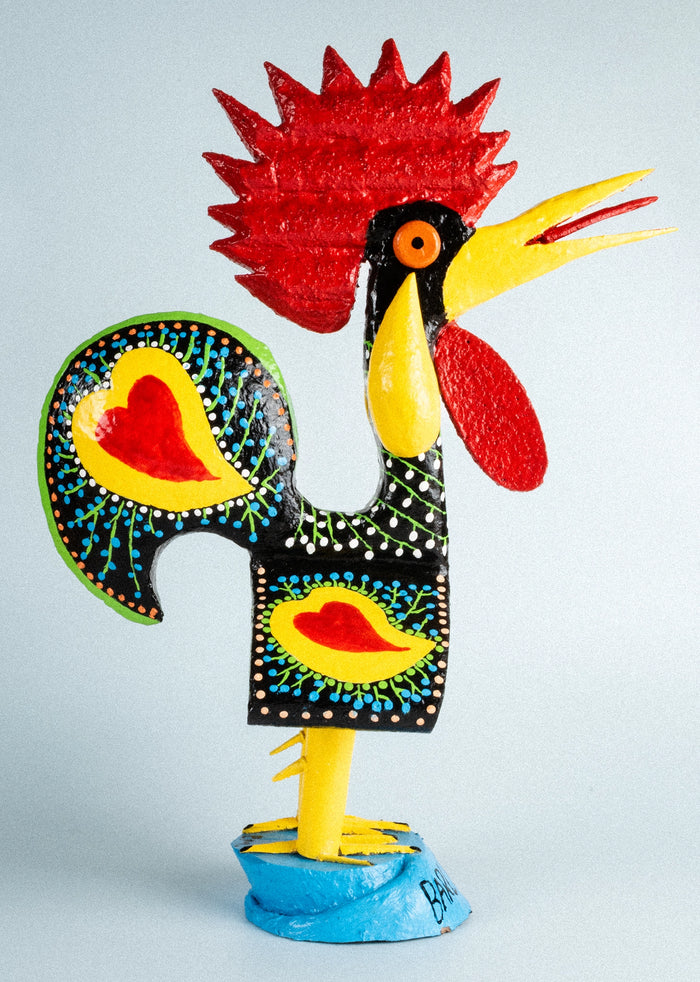
In the 19th century, the potters of Barcelos began to portray the legend in coloured clay figures. The turning point came in 1935, when a painted clay rooster was shown at the exhibition of Portuguese folk art in Geneva, organised by the National Propaganda Secretariat led by António Ferro. From the 1950s and 1960s, the rooster became an image of national tourism. In the mid 1950s it took its current shape: slender, with a black body, red hearts, a tall neck and a serrated crest and tail.
How it is made
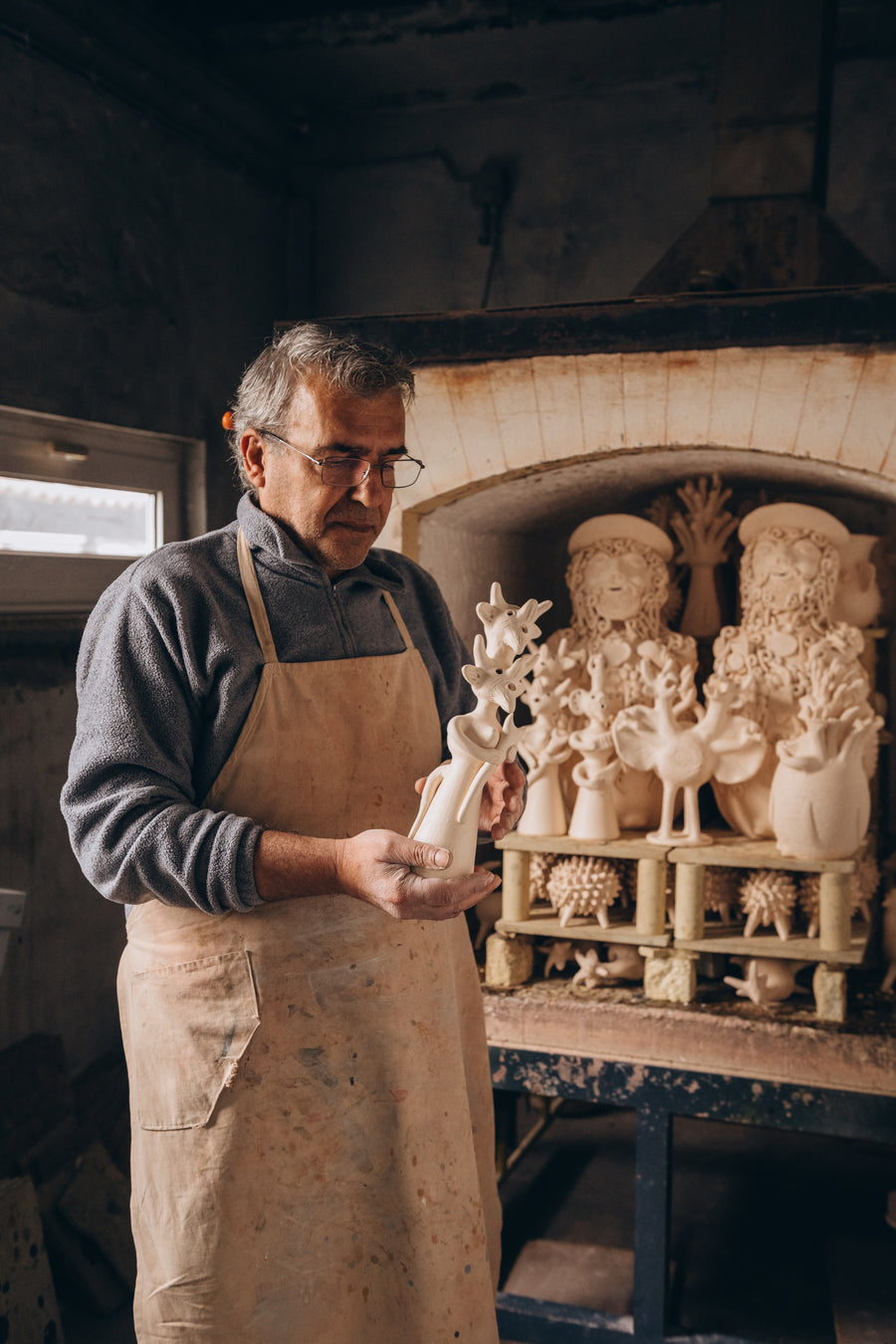
The rooster belongs to the figurado de Barcelos. The certification specification allows three techniques: hand modelling, a mixed technique and full moulding. Once shaped, the piece dries, is fired in a kiln and painted by hand. On the classic rooster, the black ground is covered with hearts, flowers and dots in red, yellow, white, green and blue.
Some artisans reinterpret the rooster in other materials. Porfírio Mendes, born in Barcelos in 1967, has carved it in cork since 2013, using a knife, sandpaper, glue and paint. The marks of the knife and sandpaper stay visible in his pieces.
Where it comes from
The Rooster of Barcelos belongs to the Minho, in the north of Portugal. The rooster fills the stalls of the Barcelos Fair, held on Thursdays and the largest traditional fair in the north of the country. Families of clay sculptors work in the same town, such as that of António Ramalho, great grandson of Rosa Ramalho.
How to recognise a Rooster of Barcelos
Look for the slender outline, the tall neck, the serrated crest and tail and the dark body covered with hearts and flowers. On a handmade piece, the painting shows the maker's hand: brushstrokes that vary, imperfect symmetry, small differences between pieces.
Where to buy
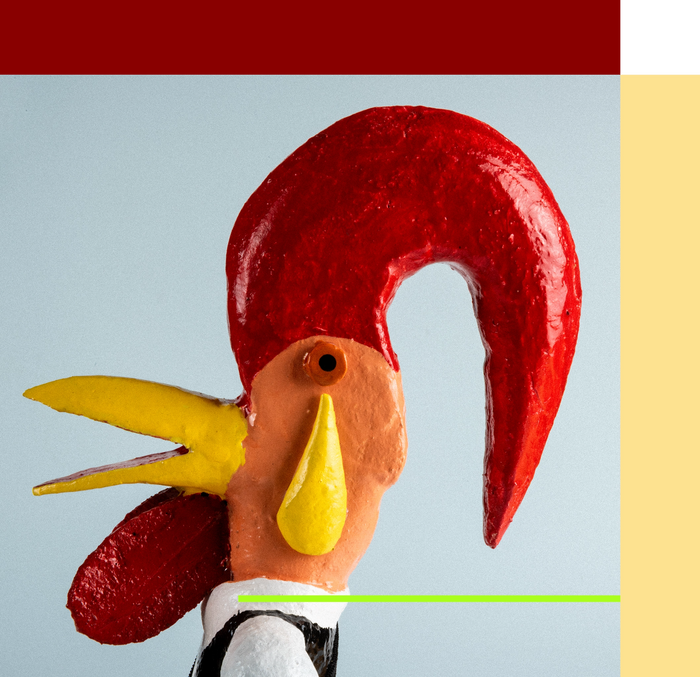
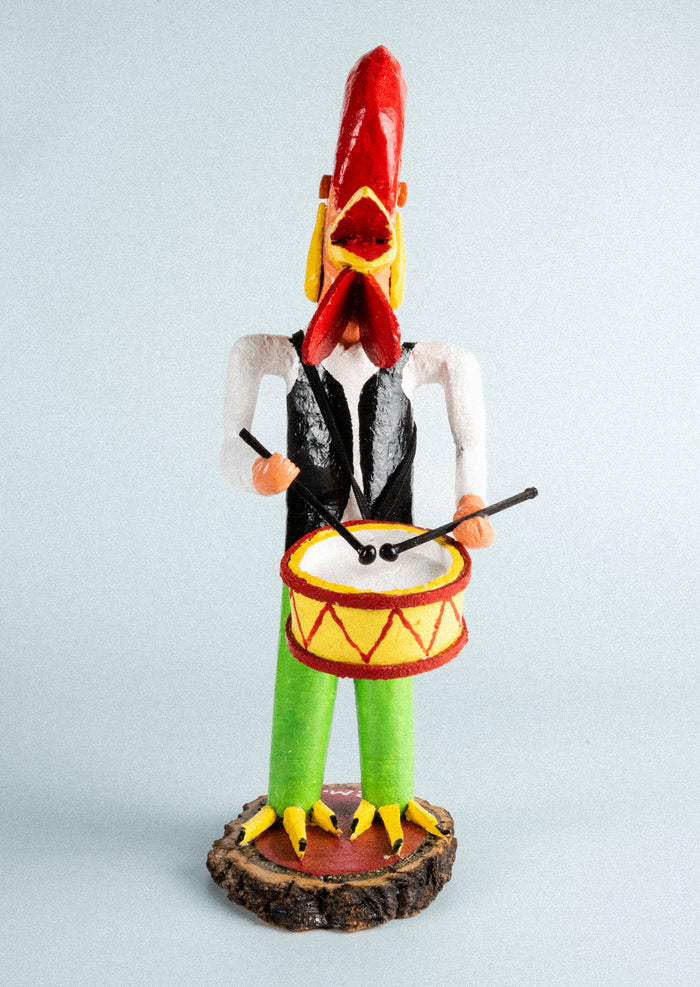
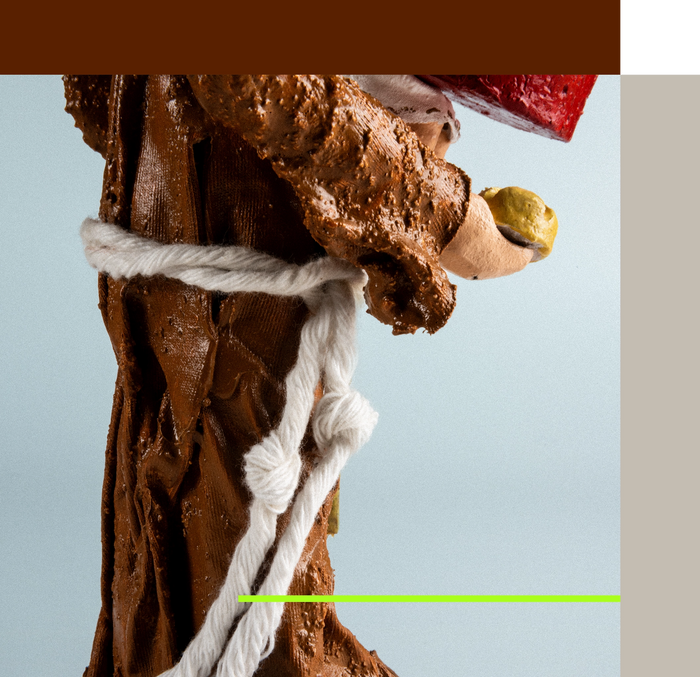
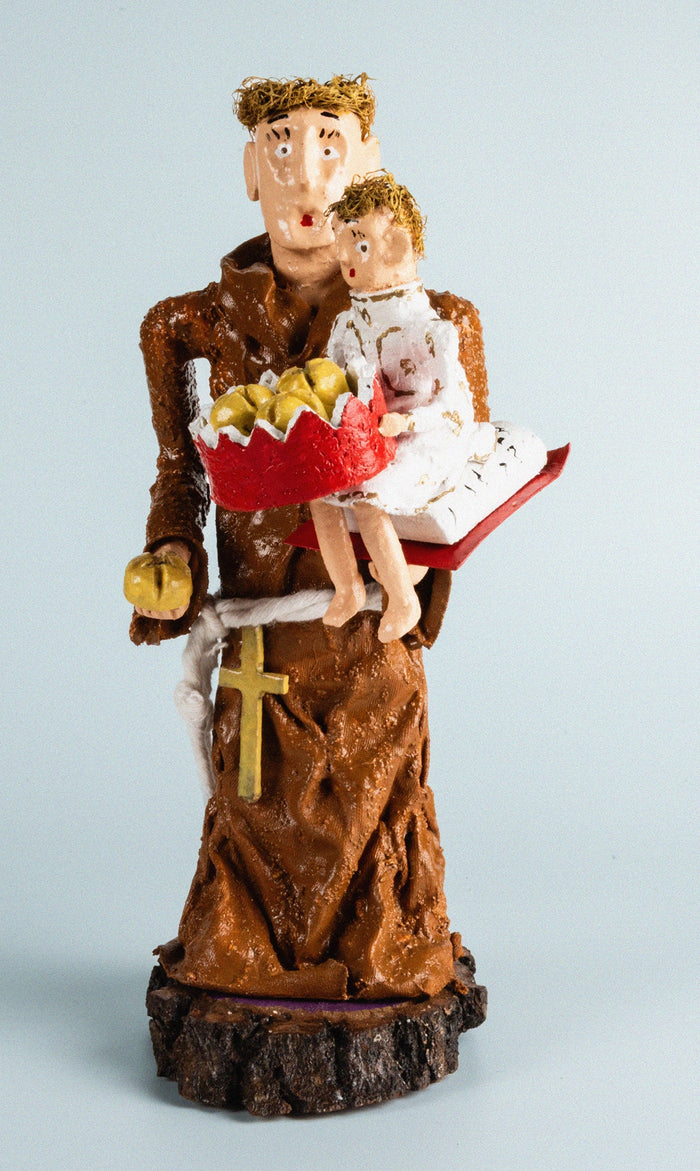
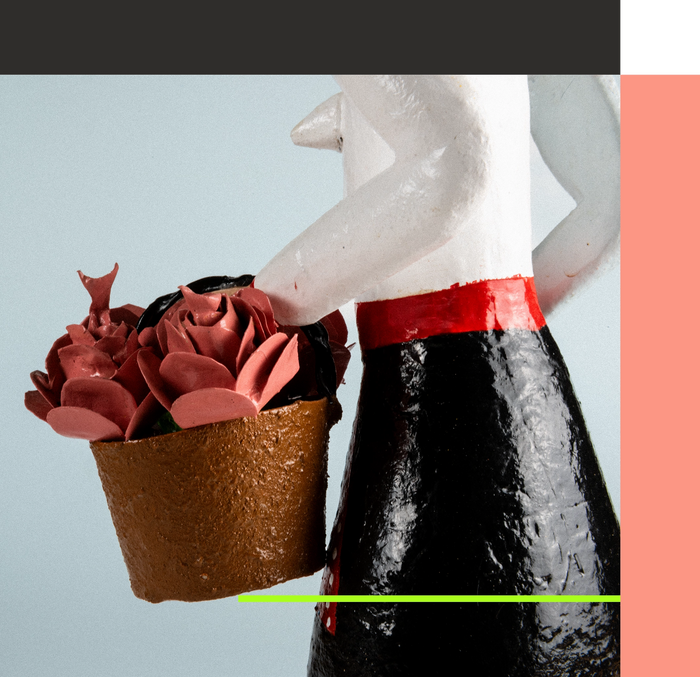
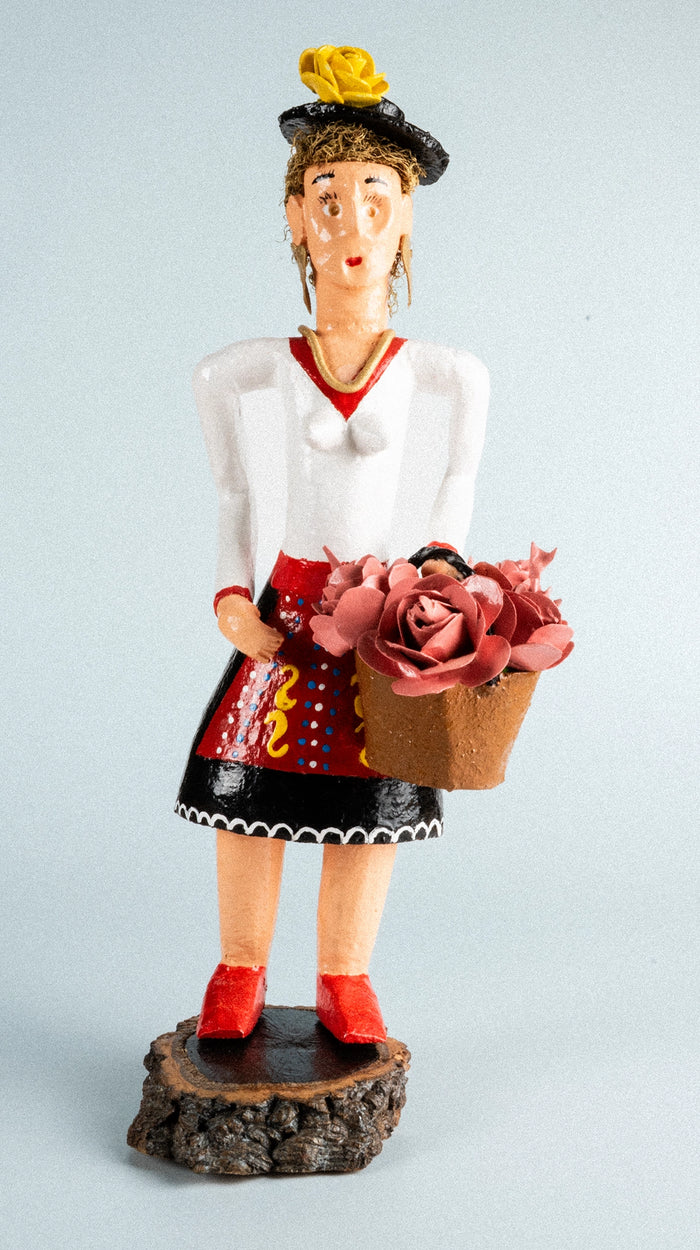
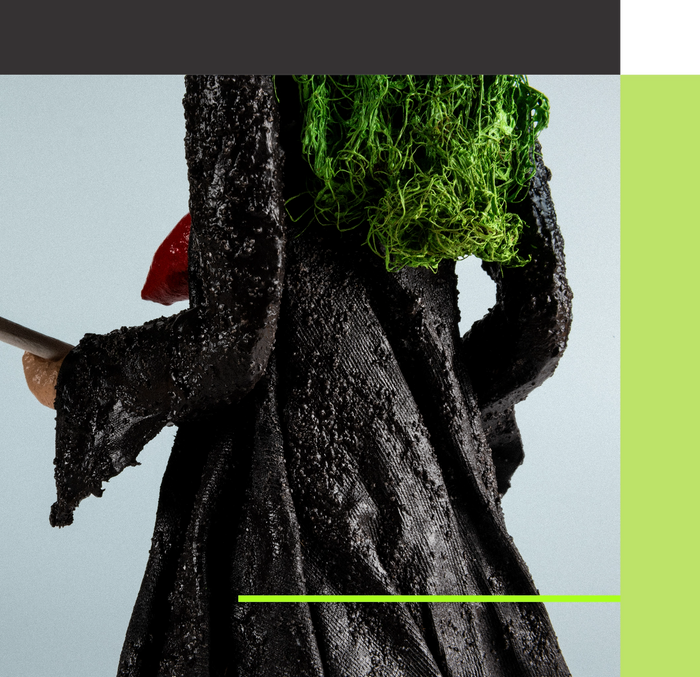
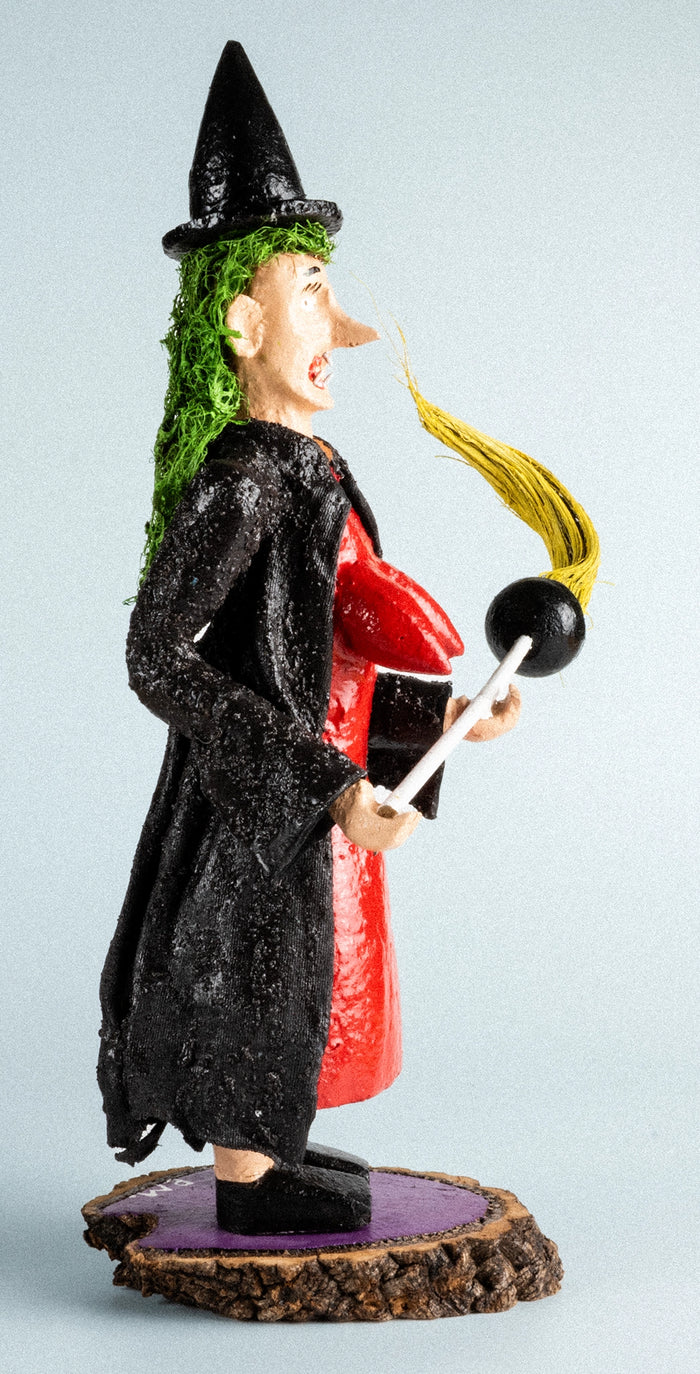
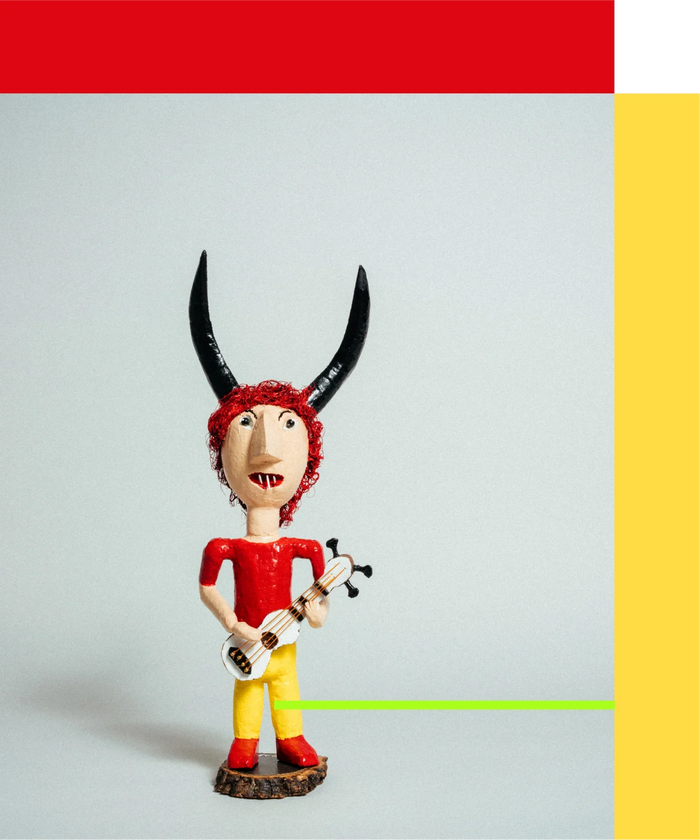
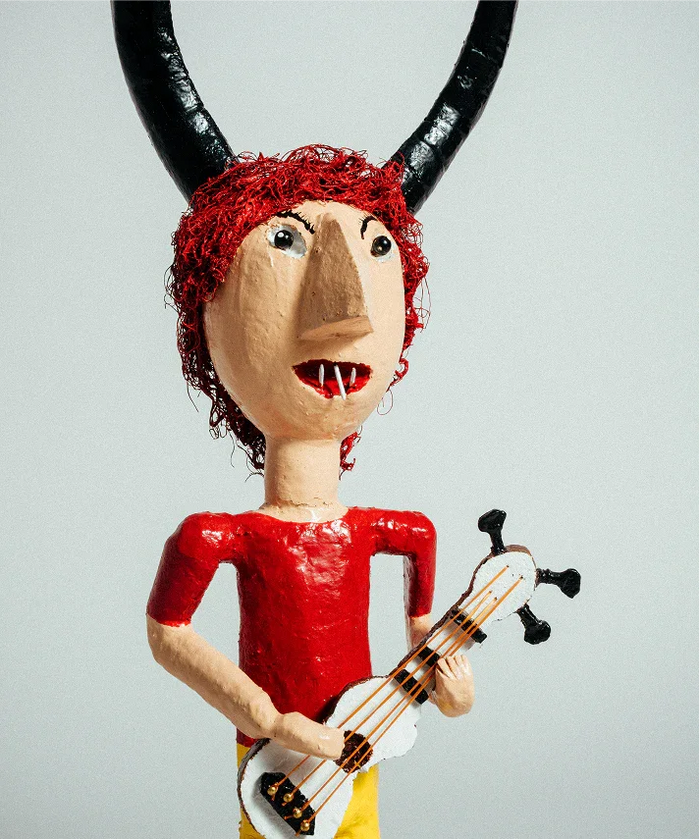
At Ra‑Ro you will find the Rooster of Barcelos by Porfírio Mendes, carved in cork with the traditional colours, and the Rooster Man, a human rooster playing the drum. From the same Minho world come Saint Anthony, the Flower Woman, the Witch and the Cork Devil. Meet the artisan on the Porfírio Mendes page and find other rarities in the Ra‑Ro index.
Frequently asked questions
What is the legend of the Rooster of Barcelos?
A pilgrim on his way to Santiago de Compostela was sentenced to hang in Barcelos for a crime he did not commit. He said a roasted rooster would crow to prove his innocence. The rooster crowed and the pilgrim was saved.
Why is the Rooster of Barcelos a symbol of Portugal?
After being shown at the folk art exhibition in Geneva in 1935, and in Lisbon in 1936, the rooster was promoted as an image of the country. From the 1950s and 1960s it became an icon of national tourism and Portuguese identity.
Is the Rooster of Barcelos always made of clay?
Traditionally yes: it is a piece of the figurado de Barcelos, in fired clay painted by hand. Some artisans reinterpret it in other materials, such as Porfírio Mendes, who carves it in cork.