Cart
0
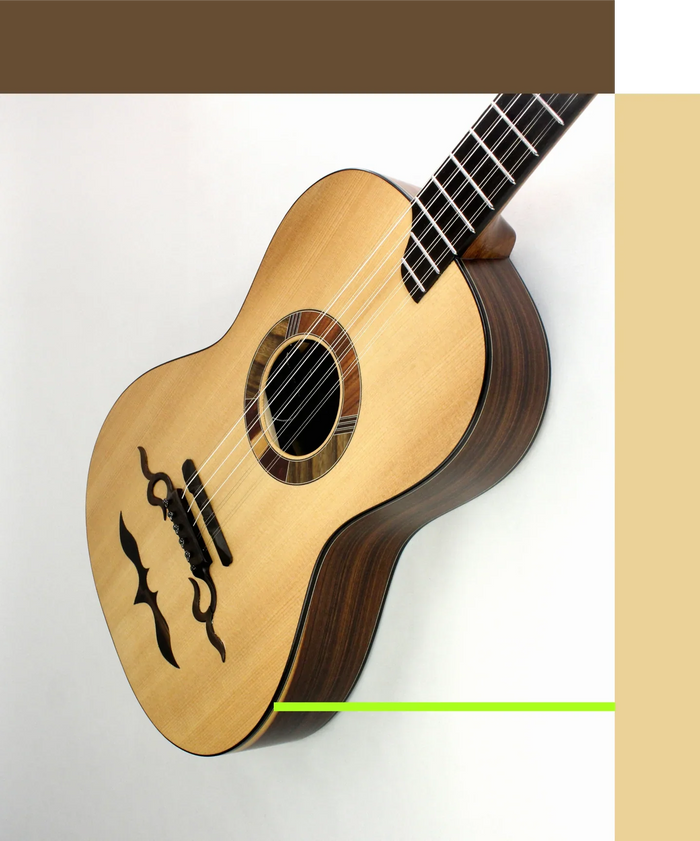
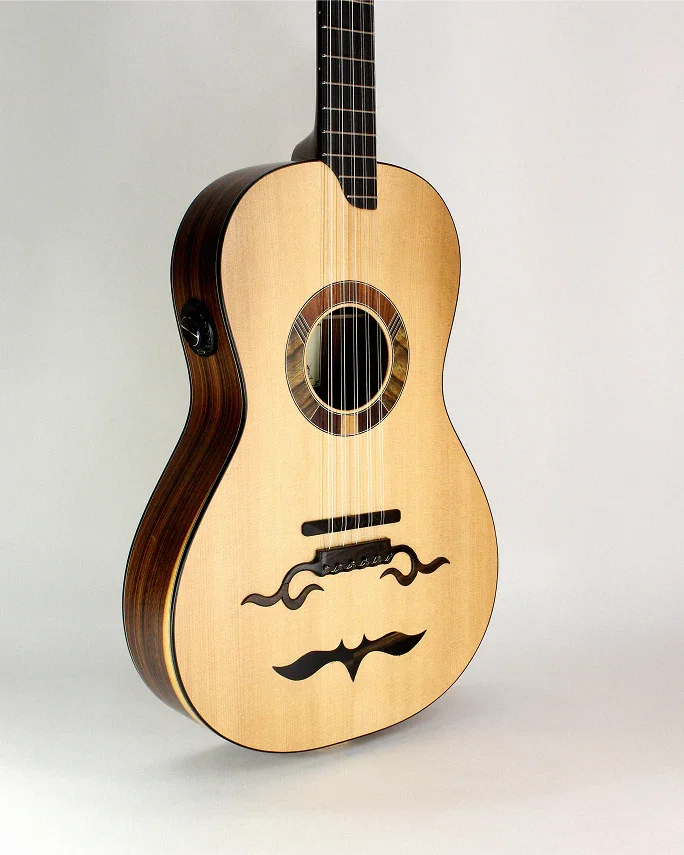
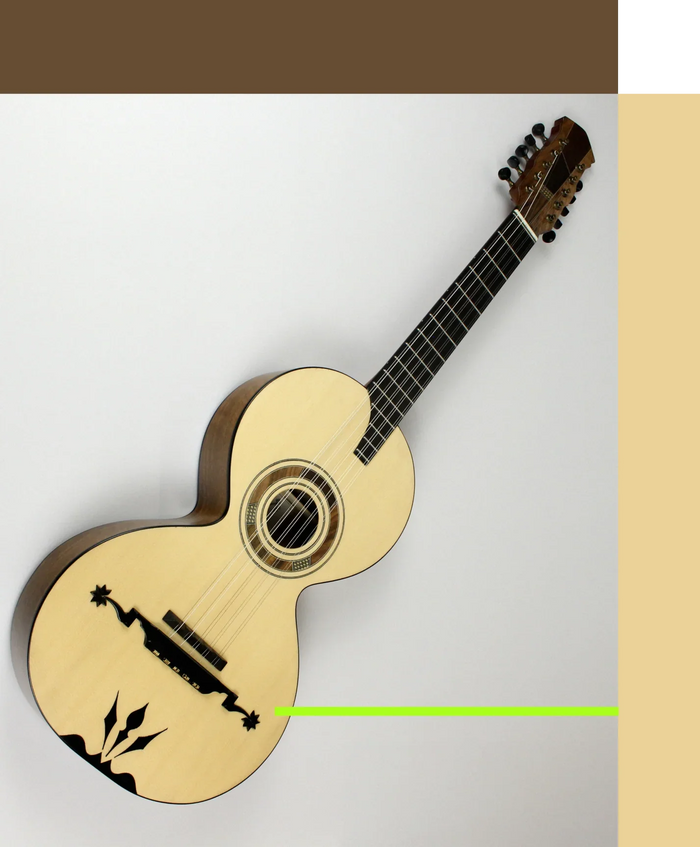
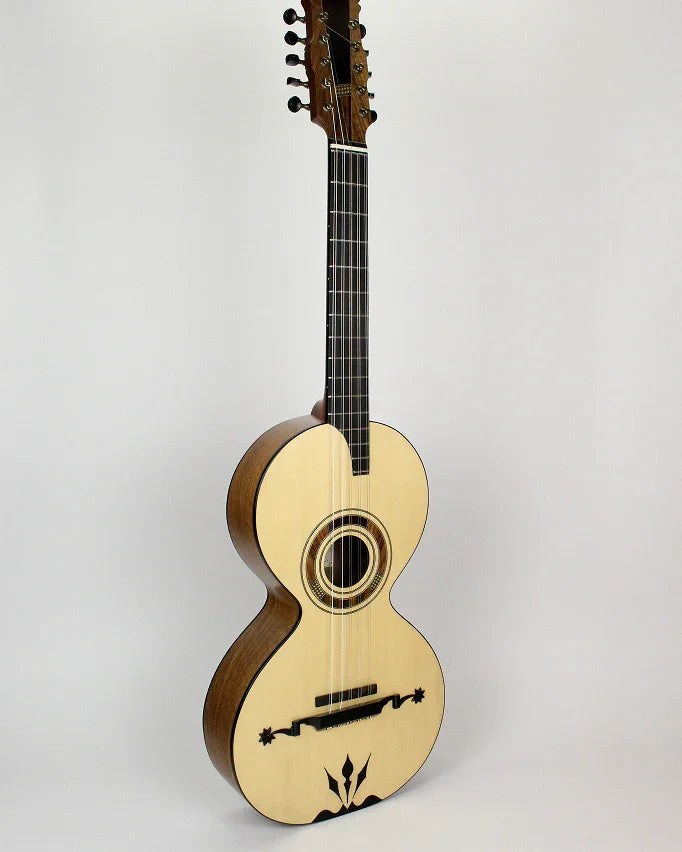
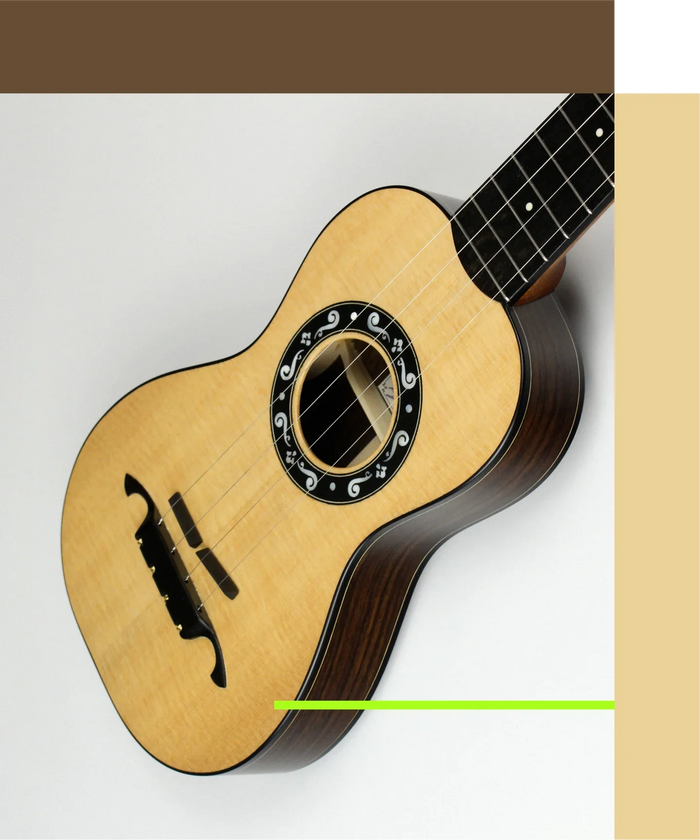
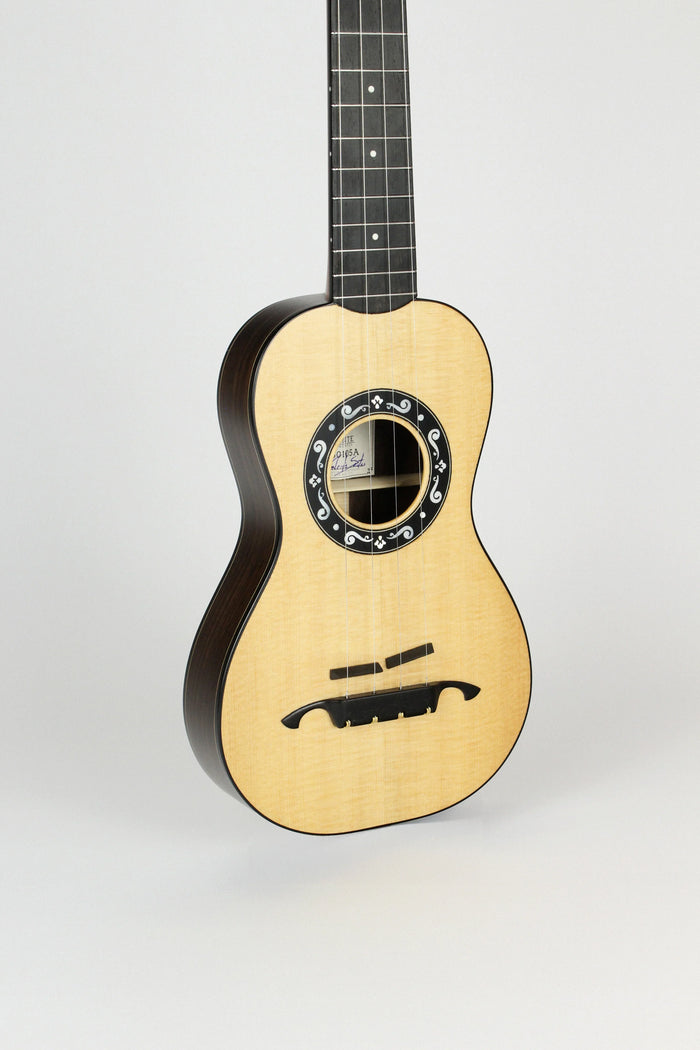
Viola braguesa is a traditional Portuguese guitar from Minho, with ten strings grouped in five double courses and usually a soundhole shaped like a ray fish (boca de raia). Strummed with all the fingers sweeping the strings, it is the instrument of the rusgas, desgarradas and folk festivals of northern Portugal.
Origin and history
The name comes from Braga, the city around which the instrument took hold. The viola braguesa is considered an heir to the 16th-century viola, with a construction and tuning that keep echoes of the Renaissance. It spread across Minho and into Trás-os-Montes.
For generations it accompanied singing and dancing at festive and religious occasions, from pilgrimages to rusgas, groups of players and singers who toured the villages, and desgarradas, in which two singers trade improvised verses. It lives on in folk dance groups and with musicians who bring it into new repertoires.
How it is made
The viola braguesa has five double courses of strings. The two highest courses are tuned in unison and the three lowest in octaves, which gives it a bright, full sound. Older instruments may have a round soundhole, but the ray-shaped one is the most characteristic.
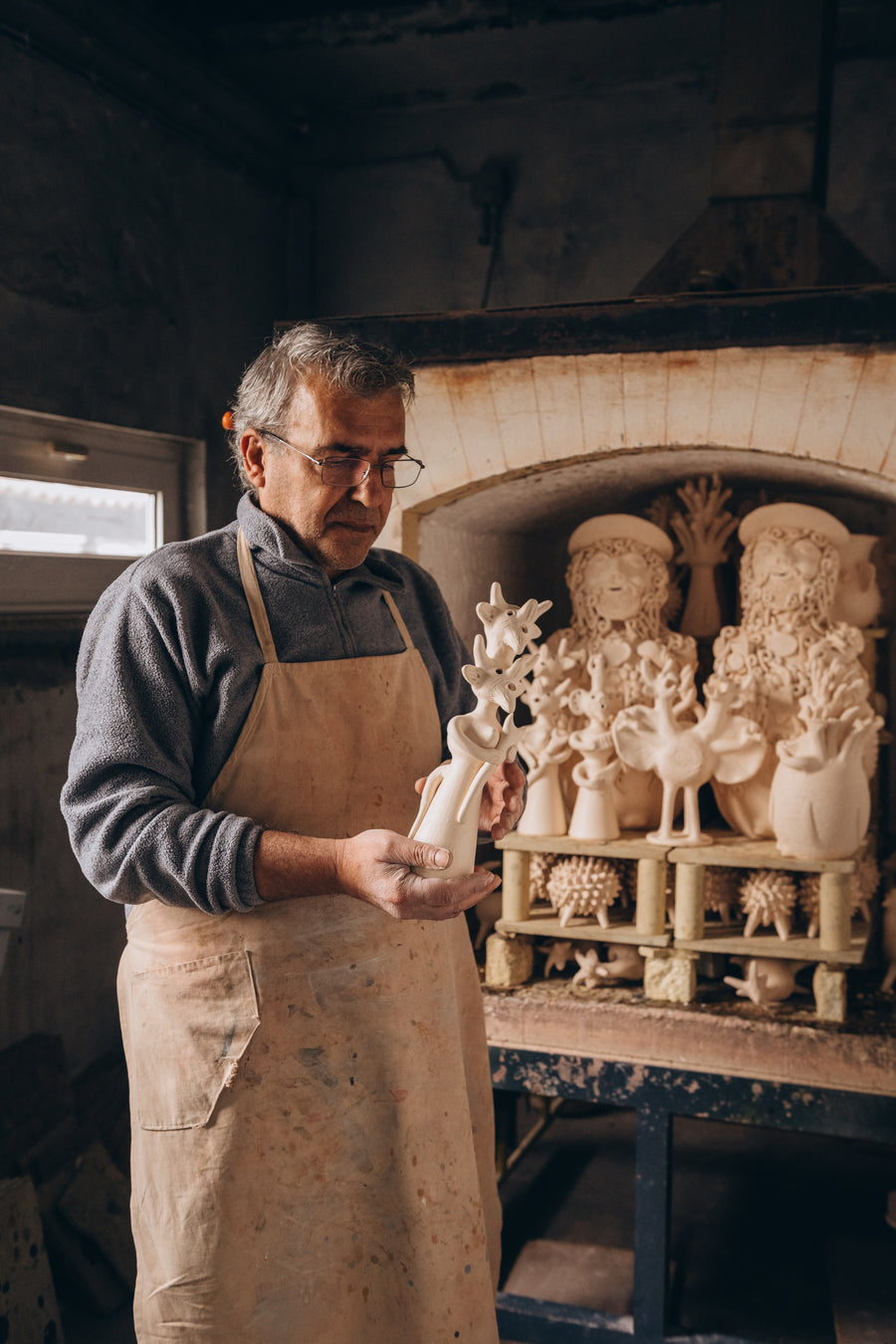
It is built by hand by luthiers using fine woods. At the Instrumentos Valente workshop in Aveiro, Diogo Valente, a disciple of master José Gonçalves, takes about a month and a half to finish an instrument.
Where it comes from
The viola braguesa comes from Minho, particularly the Braga region, and also from Trás-os-Montes. It is heard at pilgrimages, village festivals and folk group performances throughout the north of the country.
How it is used
It is mostly strummed, with all the fingers sweeping the strings, marking the rhythm of the dances and accompanying the voices. There are several traditional tunings, and each player may adapt it to the repertoire. It often plays alongside the cavaquinho, another string instrument closely linked to Minho.
Where to buy
At Ra-Ro you can buy the premium Viola Braguesa built by hand by Diogo Valente. In September 2026, the product page listed it at €1,920. From the same workshop, see also the Cavaquinho and the Alentejo viola campaniça.
Frequently asked questions
How many strings does the viola braguesa have?
It has ten strings, grouped in five double courses. The two highest courses are tuned in unison and the three lowest in octaves.
What is the difference between the viola braguesa and the viola campaniça?
The braguesa comes from Minho and is strummed. The campaniça comes from Lower Alentejo, has a more waisted body and triple bass courses, and is mostly played fingerstyle.
Where can I buy a handmade viola braguesa?
From craft luthiers or online at Ra-Ro, which sells the Viola Braguesa from the Instrumentos Valente workshop in Aveiro, made to order.