Cart
0
The burel bag that wears an azulejo: the craft of the Capuchinhas of Campo Benfeito
A bag in burel from the Serra da Estrela, cut by hand by four artisans of the As Capuchinhas cooperative, wears patterns that recall the Portuguese azulejo.

In this article
 By Sérgio Carvalho, co-founder of Ra-Ro · View profile
About 3 min read

Some objects are born to stay at home, safe from the weather. Others ask for the street. This bag is one of the latter. It goes on the shoulder, braves the cold and the rain, and looks as good in the mountains as in the city.
The White Azulejo Bag is a burel bag made by hand by the artisans of the As Capuchinhas cooperative, in Campo Benfeito, in the municipality of Castro Daire, using the burel cut-out technique and a design by Paula Caria: geometric patterns in undyed cream on dark brown that recall the Portuguese azulejo.
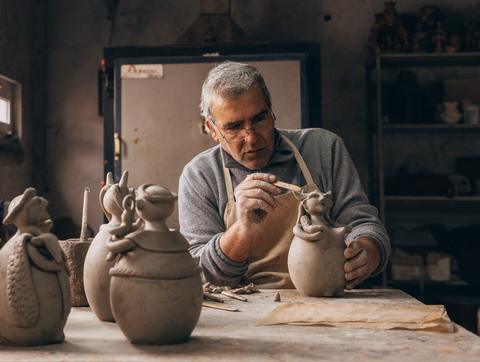
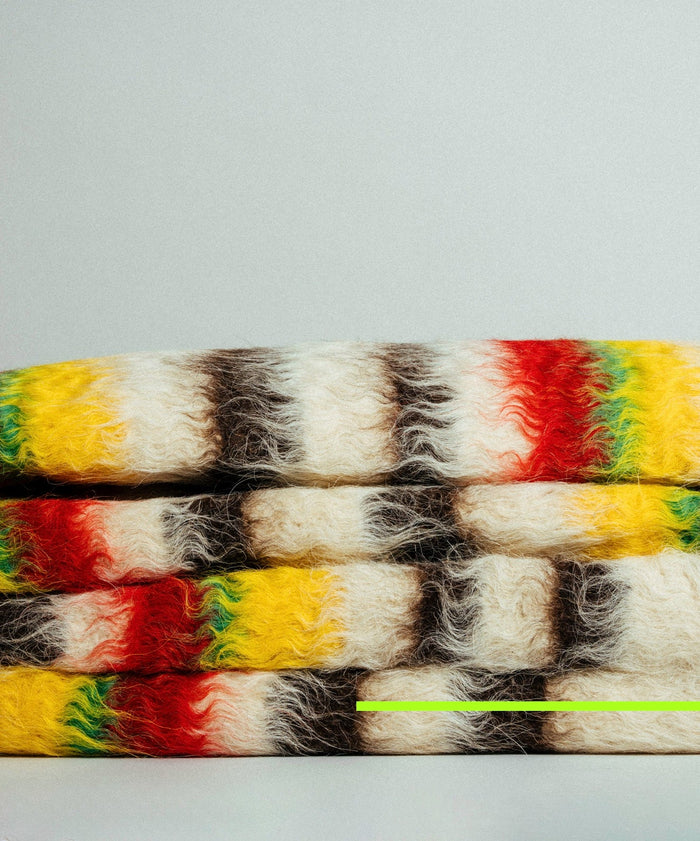
Burel is a thick, tough woollen cloth, with just the right hardness to face the mountain cold and rain. This one came from the Serra da Estrela to the Capuchinhas' workshop. There, four artisans work it the way time has taught them, cutting and arranging each shape by hand.
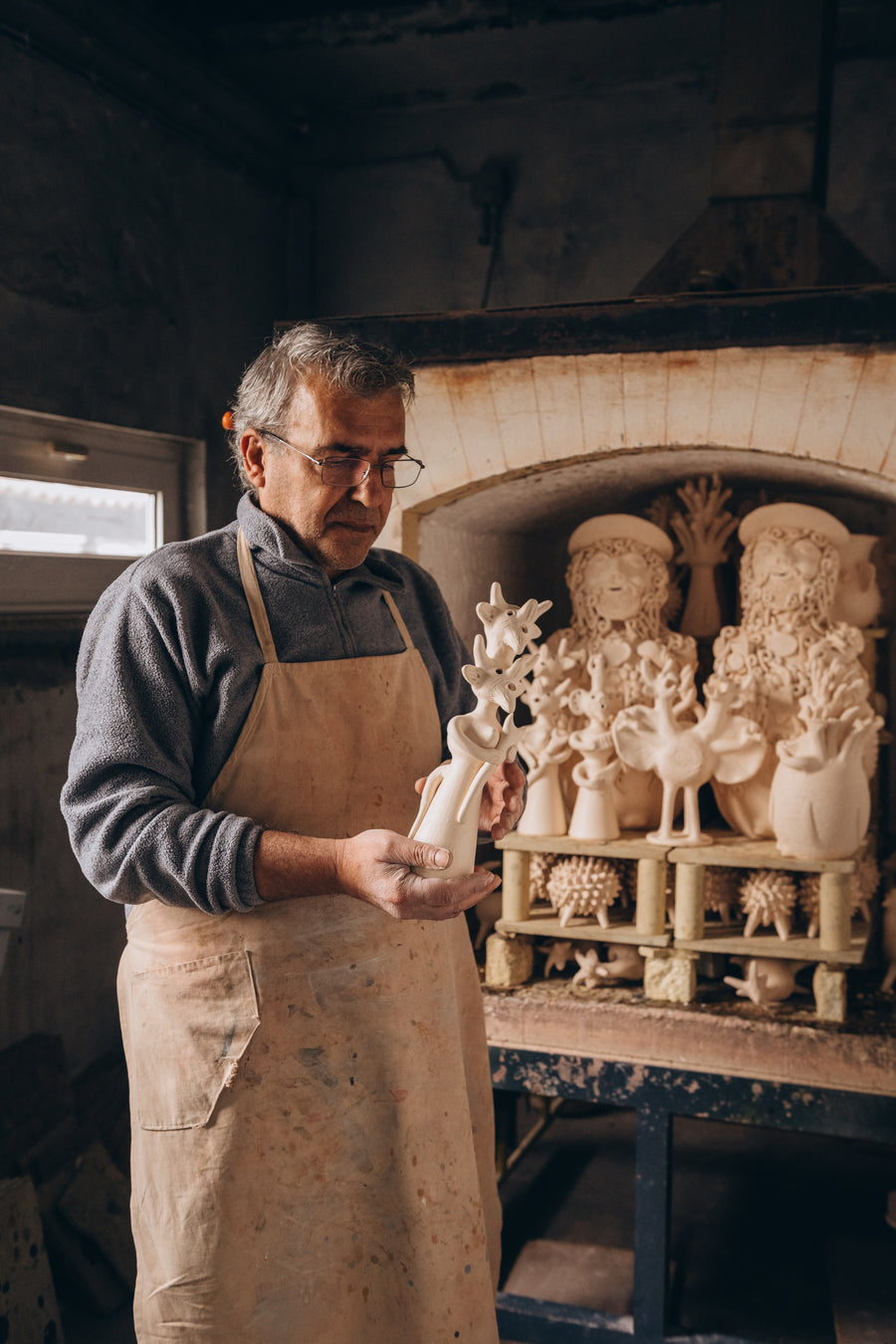
From linen to burel, from wool to the hand loom, from the mountains to the city. The As Capuchinhas cooperative makes clothing in burel, linen and wool, with hand looms and traditional techniques, and burel cut-out work is one of the things their hands have mastered.

The design is by Paula Caria. In the cream-toned reliefs, geometric patterns appear that take us back to the Arab legacy in Portuguese azulejos. An azulejo that, instead of staying on a wall, goes out for a walk. I like the idea.
Burel cut-out is the technique of cutting shapes from one piece of burel and setting them into another of a different colour, composing the pattern without paint or printing.
The proof of a good object is in everyday life. In a bag that goes on the shoulder every day, that gets through the winter and still looks good in spring. That's where you find out whether the technique was decoration or competence.
Why does a pattern with centuries of history fit so well on a bag of today? Maybe because it never stopped being ours. Or maybe because someone in Campo Benfeito decided not to let it stand still. That's the question we might ask ourselves.
Some objects stay at home. This one asks for the street. My advice is simple: let it out.


Frequently asked questions
What is the burel Tile Bag?
A handbag made of burel, the thick wool cloth of the Serra da Estrela, with a geometric pattern inspired by the Portuguese tile.
Who makes this bag and where?
Four artisans of the As Capuchinhas Cooperative, in Campo Benfeito, in the Serra da Estrela, with a design by Paula Caria.
What technique is used?
The burel is woven on manual looms; then the artisans cut and assemble each piece by hand, without any automation.
Why is it a rare product?
It rests on an entirely handmade production that preserves centuries-old pastoral textile traditions, tied to the shepherds of the Serra da Estrela.
What are the bag's measurements?
It is 30 cm high, 40 cm wide and 16 cm deep, with 63 cm handles. Practical for everyday use.
How should the bag be cared for?
Dry cleaning only is recommended. Burel is known for its strength and durability.


 Autumn
 -10%Packs
 Regions