Cart
0
Portuguese craft cider: what it is, how it is made and how to drink it
Cider is fermented apple juice, a light drink with centuries of tradition in Europe. How it is made, how to serve it and where to try a craft cider from the Minho.

In this article
 By Sérgio Carvalho, co-founder of Ra-Ro · View profile
About a 5 minute read

Cider is a drink made from fermented apple juice: yeasts turn the sugar in the fruit into alcohol, and the result is a light drink that can range from sweet to dry. In Portugal it is less common than in Asturias or Normandy, but some producers make it by hand, like the Casais family in Tibães, in the Minho, with the Porta da Loja apple, an old variety that almost disappeared.
Cider in short
- What it is: fermented apple juice, a light alcoholic drink.
- In Portuguese: sidra, with an s; cidra mostly names the citron fruit.
- Where it is a tradition: Asturias, in northern Spain, and Normandy, in France, among other European regions.
- How to serve it: chilled, in a glass, at the end of the day or with a meal.
- At Ra-Ro: the Apple Cider by Porta da Loja, made with the Tibães apple.
What cider is
Cider is to apples what wine is to grapes. Ripe apples are pressed for their juice, and the juice is left to ferment. During fermentation, yeasts feed on the natural sugars and produce alcohol and carbon dioxide. Depending on the apples, the length of fermentation and each producer's method, cider can be sweeter or drier, cloudier or clearer, with more or fewer bubbles.
It should not be confused with apple juice, which is not fermented and has no alcohol, or with apple brandy, which is distilled from cider and is much stronger.
How cider is made
- Harvest: apples are picked ripe, when they have the most sugar.
- Milling: the fruit is crushed into a pulp.
- Pressing: the pulp is pressed to extract the juice.
- Fermentation: the juice rests in vats or barrels while yeasts turn the sugar into alcohol.
- Resting and bottling: the cider settles and is bottled; with some methods it develops natural bubbles in the bottle.
The apple matters most. Sharp varieties give fresh, lively ciders; sweet varieties give rounder ones. That is why cider regions hold on to their own apples.
Sidra or cidra: the Portuguese word
In Portugal, the apple drink is spelled sidra, with an s. The word cidra mostly refers to the citron, a large, thick skinned citrus fruit used in preserves and candied fruit. Some dictionaries also accept cidra for the drink, but on labels and in everyday speech the usual form is sidra.
Cider traditions in Europe
In Asturias, in northern Spain, cider is part of social life. In the sidrerías it is poured with the escanciado: the bottle is raised above the head and the cider falls from a height into the glass, which aerates it and releases its aromas. In December 2024, UNESCO inscribed Asturian cider culture on the list of the Intangible Cultural Heritage of Humanity.
In Normandy, in France, the apple also rules. The region is known for cider and for calvados, the brandy obtained by distilling cider, and Pays d'Auge cider has a protected designation of origin. In Portugal the tradition is quieter, but the rainy Minho, with its old orchards, keeps apples with real character.
Porta da Loja Apple Cider
In Tibães, in the Minho, the Casais family has been bringing back the Porta da Loja apple, an old variety linked to the history of the Monastery of Tibães and to the rural memory of the region. It is an irregular, plain looking and stubborn apple that has come through centuries and was close to disappearing. We tell its story in The Porta da Loja apple and on the producer page.
From the orchard, the apple goes into the bottle. The Apple Cider (€6.60) is a craft cider with a sharp touch that comes from the fruit itself, made for a light toast at the end of the day. It is made to order.
The same apple gives the Apple Gin (€33.70), the Porta da Loja Extra Apple Jam (€7.70) and the Dark Chocolate with Dried Apple (€8.80). If you want to taste the fruit as it comes off the tree, there is the Porta da Loja Apple (€5.30, about 1 kg).
How to serve cider
- Temperature: chilled, but not ice cold; too much cold hides the apple aromas.
- Glass: a thin glass shows the colour and brings the aroma to the nose. The Cerne da Madeira glasses (€62.20 for the pair), in blown glass, look good on the table.
- Quantity: pour a little at a time so the cider does not warm up in the glass.
- Once opened: keep the bottle tightly closed in the fridge; the fizz fades over time.
Cider is an alcoholic drink: drink responsibly and do not drive after drinking.
What food goes with cider
The acidity of cider cleans the palate and calls for food with fat and salt. A few ideas with products from the Minho:
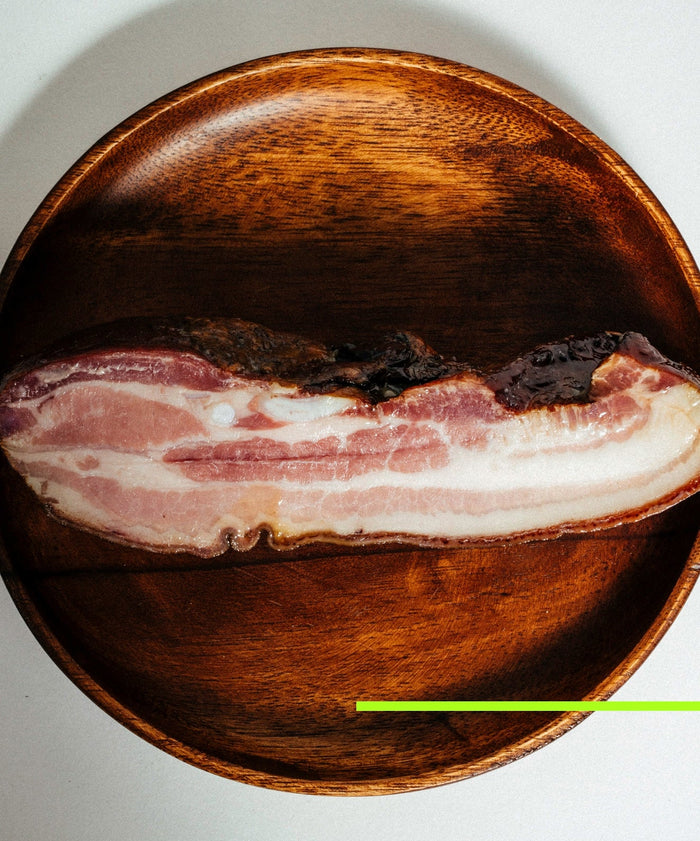
- Smoked meats: the Onion Chouriço (€6.40) and the Pork Neck with Senra Cheese (€12.90), from Quinta dos Fumeiros in Ponte de Lima. Read more in Fumeiro of the Minho.
- Cheese: soft or aged cheeses pair well with the freshness of the apple.
- Dessert: a square of dark chocolate with apple, or a spoonful of apple jam on fresh cheese, links back to the cider.
- Autumn snacks: roast chestnuts and chilled cider make a good pair. See ideas in November chestnut feast.
Where to buy Portuguese craft cider
At Ra-Ro you can order the Porta da Loja Apple Cider and add other products from the same family, for your own table or as a gift with a story. If you like traditional fermented drinks, read Mead: what it is too. We ship to Portugal, Europe, the USA, Canada and Brazil.
Frequently asked questions
What is cider?
A light alcoholic drink made from fermented apple juice. During fermentation, yeasts turn the sugar in the fruit into alcohol.
Is it sidra or cidra in Portuguese?
For the apple drink, the usual Portuguese spelling is sidra, with an s. Cidra mostly names the citron, a citrus fruit.
How is craft cider made?
Apples are milled and pressed, and the juice ferments in vats or barrels until the sugar becomes alcohol. It then rests and is bottled.
What is the difference between cider and apple juice?
Apple juice is not fermented and has no alcohol. Cider is that same juice after fermentation.
How should cider be served?
Chilled but not ice cold, in a thin glass and in small pours, so it does not warm up in the glass.
Where can I buy Portuguese craft cider?
At Ra-Ro, with the Porta da Loja Apple Cider, made in Tibães, in the Minho, by the Casais family from an old apple variety.


 Autumn
 -10%Packs
 Regions