Cart
0
Maker
Porta da Loja
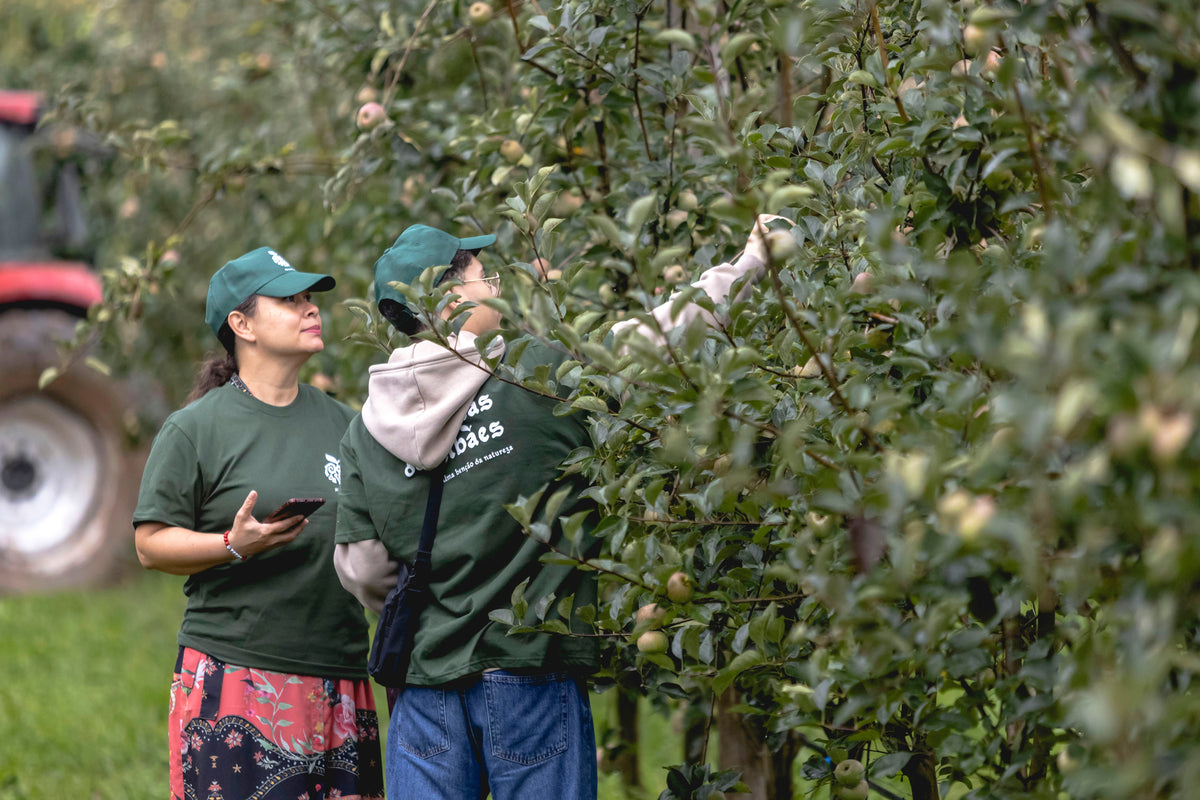
The Casais family, from Tibães, committed to rescuing this apple from obscurity, inheriting the legacy of monks and farmers who preserved it over centuries.
See the pieces (5)AN APPLE RESCUED BY FAMILY DEDICATION
It starts with a tree. A family tree. The Casais family tree, from Tibães, the ones who vowed to bring the unique Porta da Loja Apple back from near extinction.
Centuries before that, the Benedictine monks of Mosteiro de Tibães had preserved its cultivation with near-religious care, and, later, local farmers stored them in the cool shed behind their front door (called “store”, or “loja” in Portuguese).

Inheriting such a delicate fruit from monks and farmers required the Casais family the gift of resilience. Or, shall we say, the ritual of resilience.

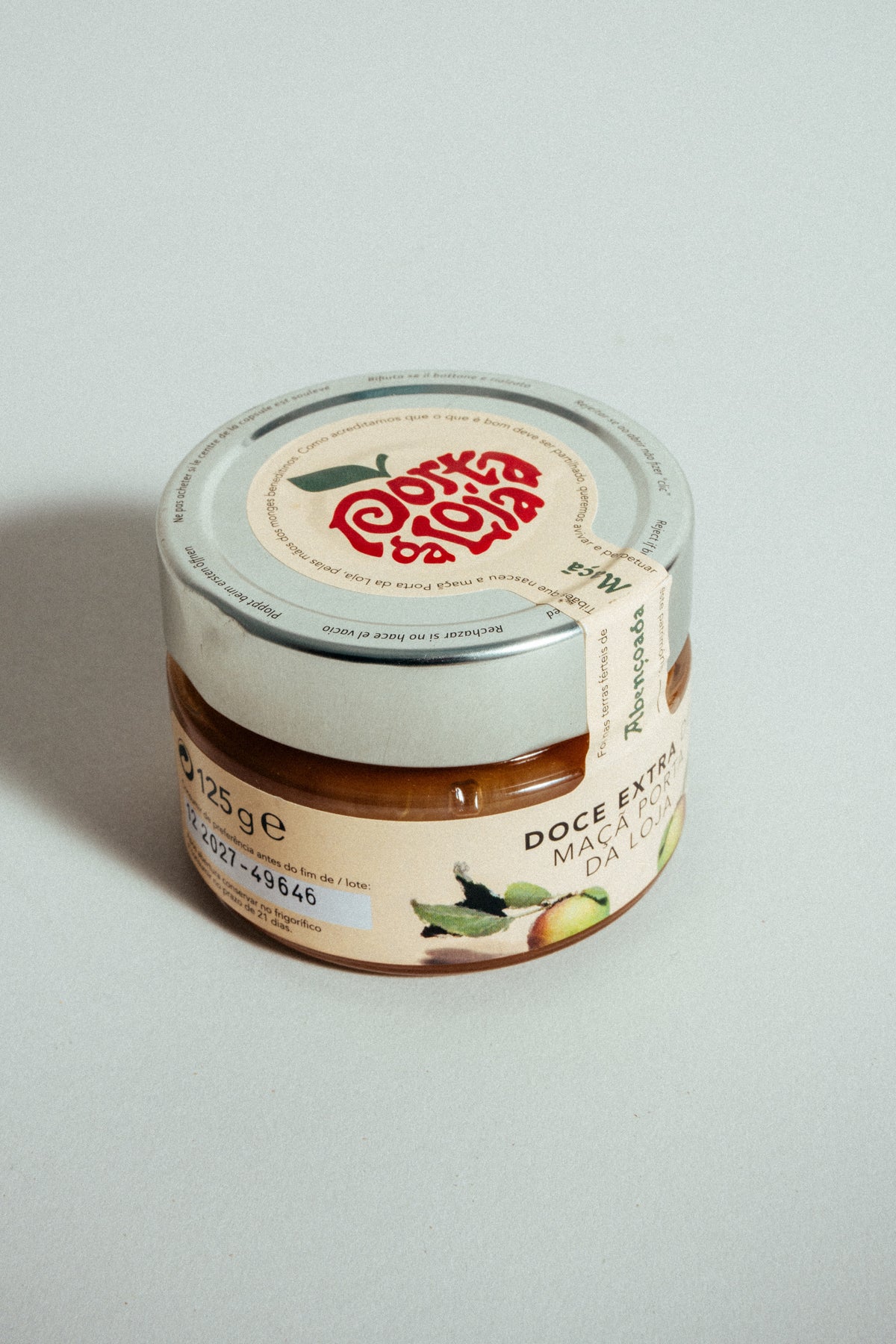
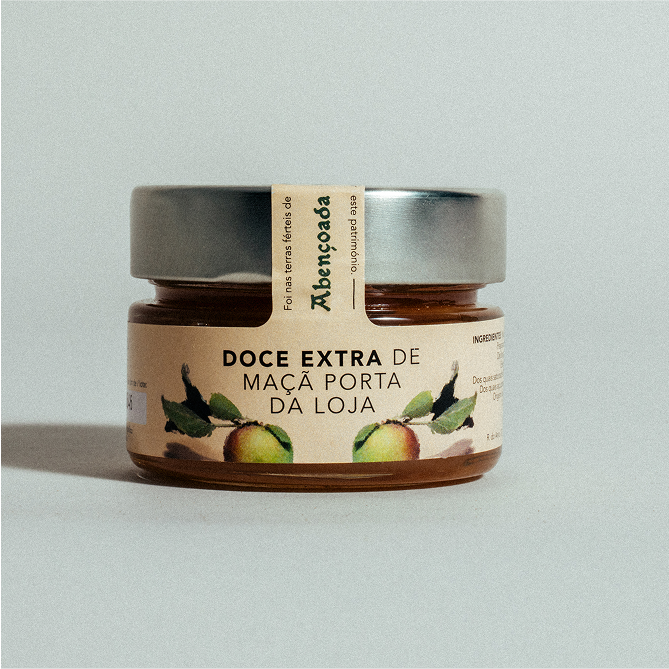
They began by searching for the last living trees, scattered across forgotten lands. Then, they worked with agricultural researchers to catalogue and preserve viable specimens, planting new orchards that respected the tree’s genetic integrity. Today, the apple is alive and well and can be savoured in different products ranging from cider to jam. You can also take a bite and taste it whole and chunky - the memory will be forever ripe.
[short_code:type:producer_cta](Discover this producer's products,Learn more,https://ra-ro.eu/en/collections/produtores?sort_by=title-ascending&filter.p.vendor=Porta+da+Loja)
The journey
Porta da Loja
Origins and Family Legacy
Historical Background
Rescue and Preservation
Revival and Products
The technique
ABOUT THE APPLE OF PORTA DA LOJA
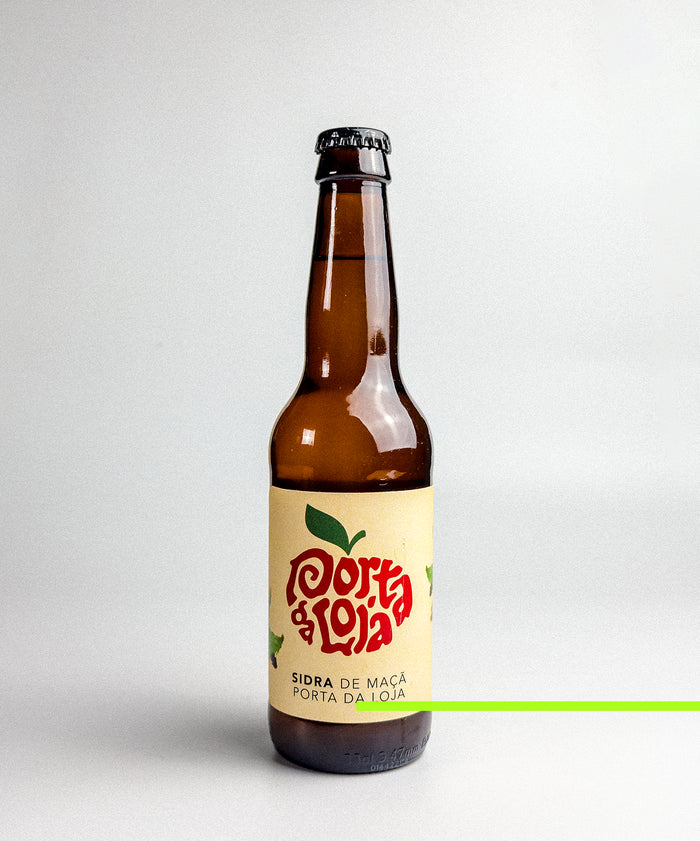
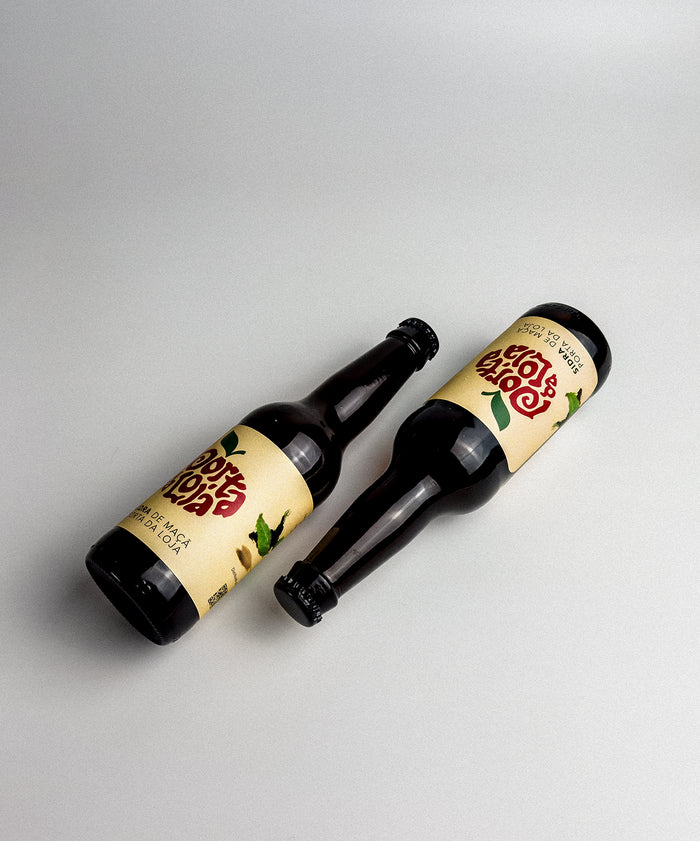

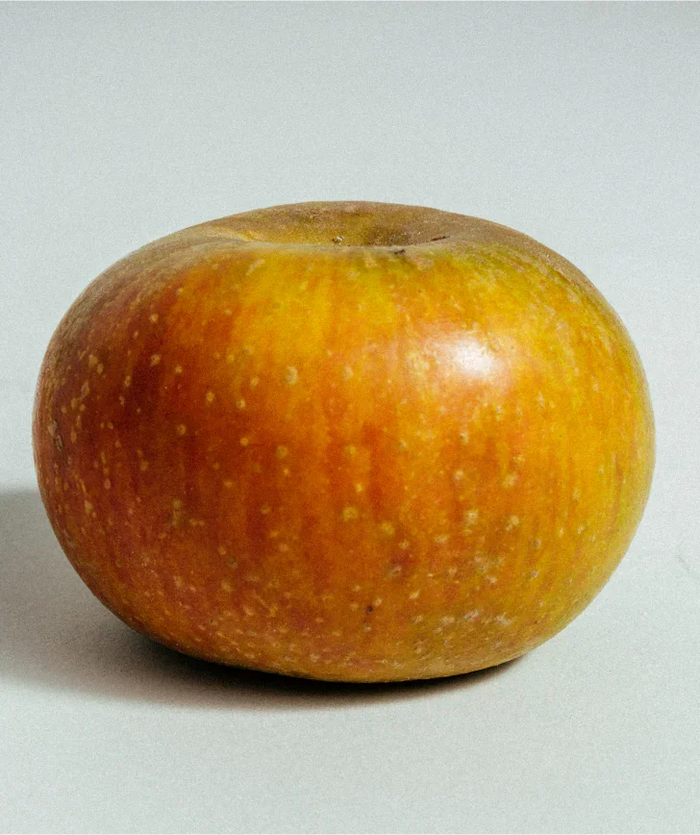
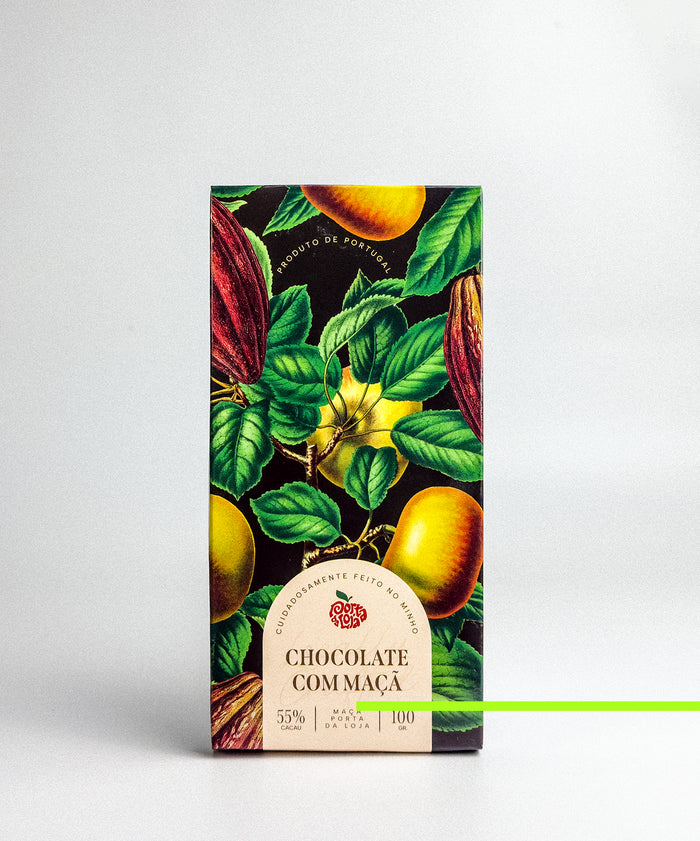
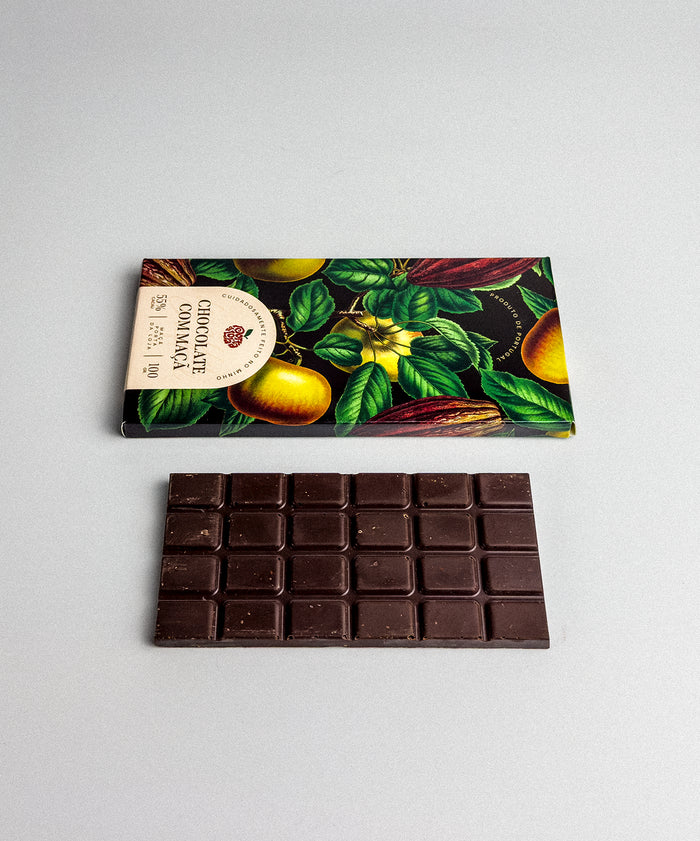
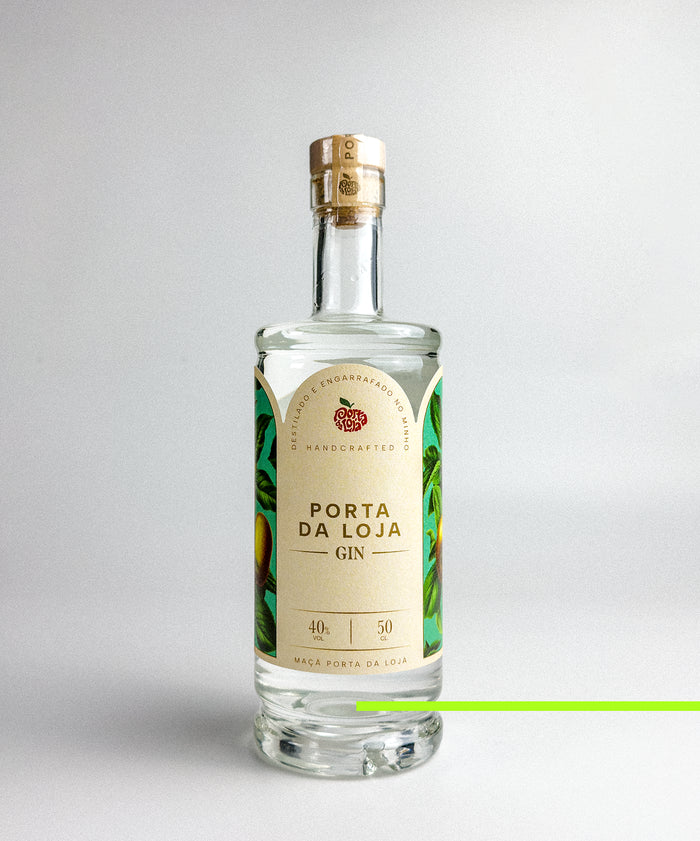
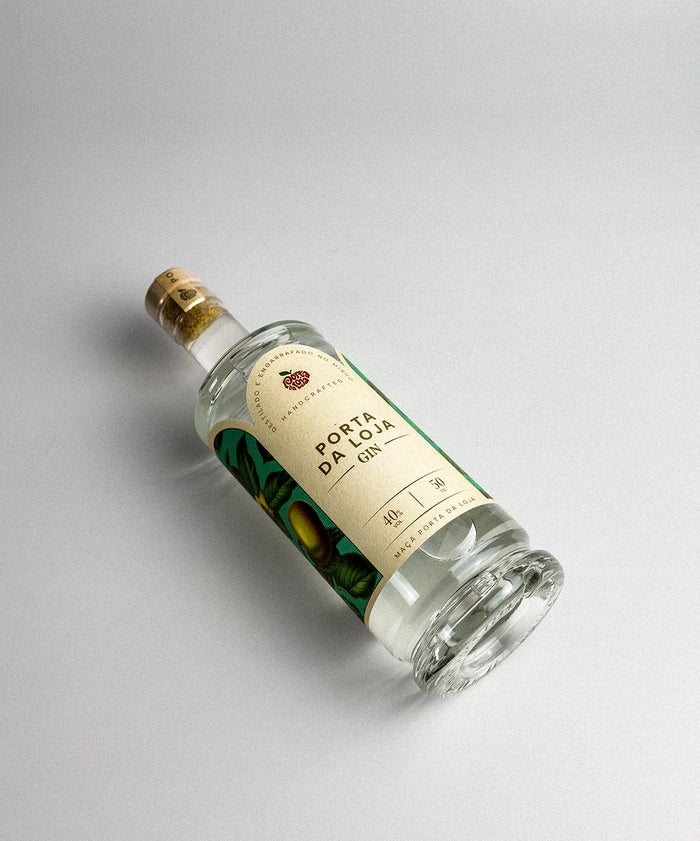

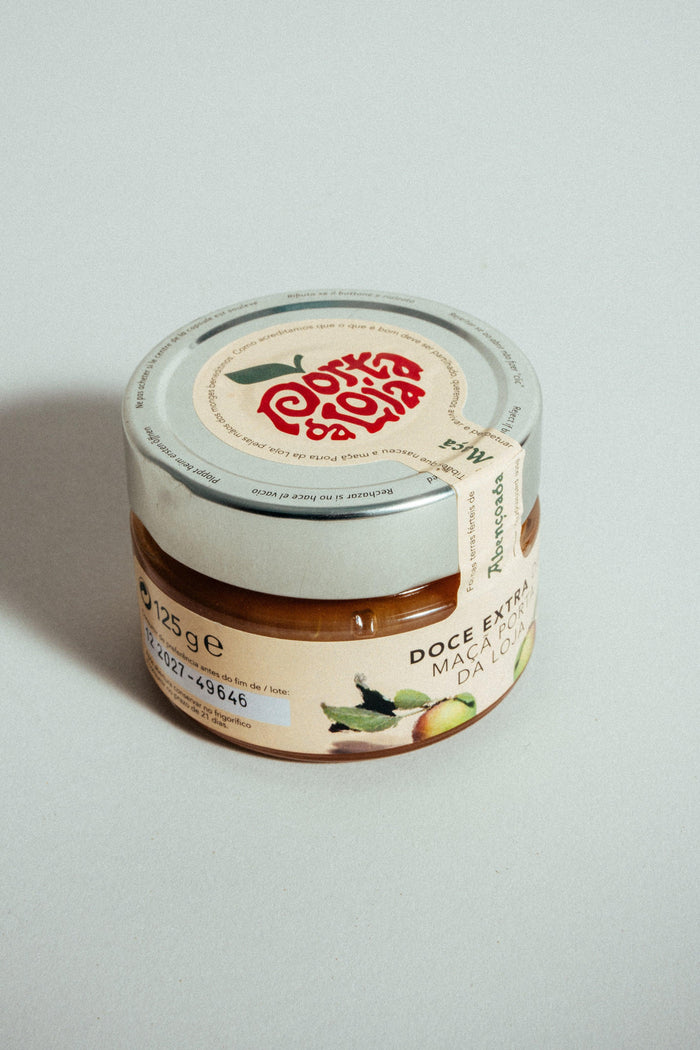
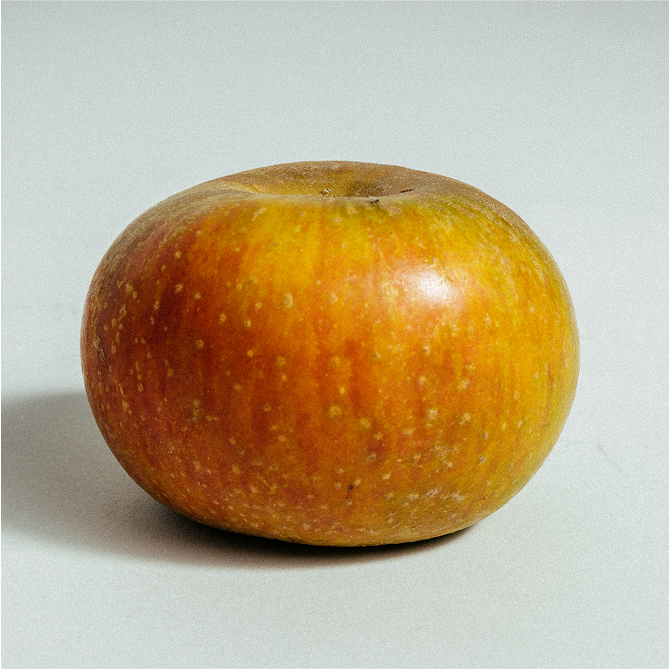
The first bite of this apple is a journey through time. We held it, ugly and irregular, and were about to bite into it thinking: what we are about to taste nearly went extinct. The bite flooded our spirit with juice, and we surrendered to the centuries-old flavours of Tibães. The people of Minho know this apple for its resilience, but its fame never went beyond the Douro. With the rural exodus and the preference for imported apples, it almost disappeared. Now here it is, at our doorstep, a testament to perseverance. What is served is not just an apple, but a story of rescue and dedication, shared with soul in every bite.


 -10%Rare Combinations
 November Selection