Cart
0
How to care for wooden utensils: handmade spoons, bowls, combs and boards
Wash by hand, air dry and oil with food safe mineral oil: that is almost all a handmade wooden utensil asks for. A step by step guide and the mistakes to avoid.

In this article
 By Luís Serra, co-founder of Ra-Ro · View profile
About a 5 minute read

The wooden spoon has a curious reputation: it is one of the oldest utensils in the kitchen and, at the same time, one of the most mistreated. It goes in the dishwasher, sits soaking all night, and then the wood gets the blame when it cracks. The problem is rarely the wood.
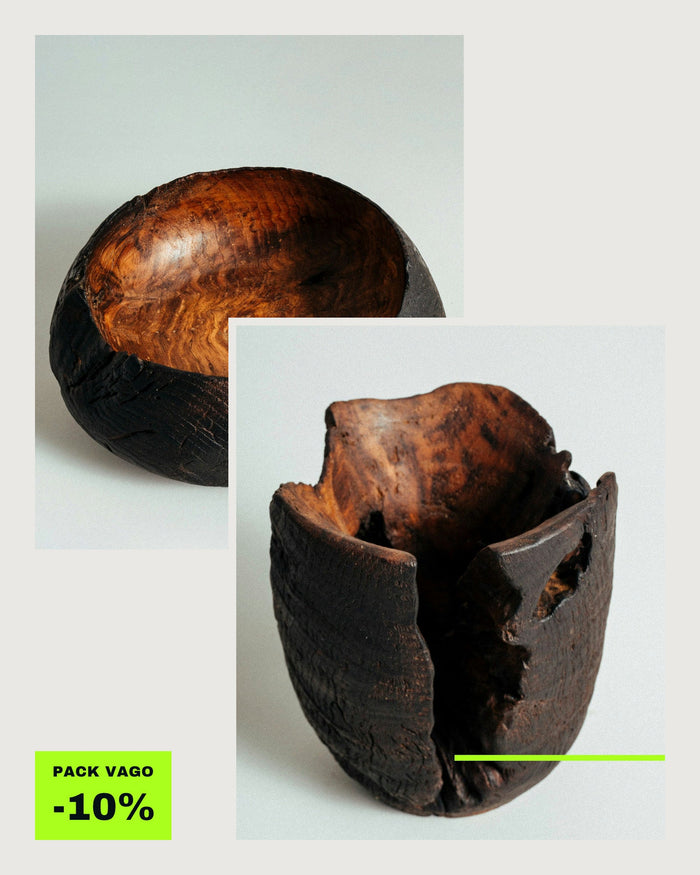
To care for handmade wooden utensils, wash them right after use, by hand, with warm water and a little mild detergent, dry them with a cloth and let them finish drying in the air, standing up; never put them in the dishwasher or leave them to soak. When the wood looks dull or feels rough, rub in a thin coat of food grade mineral oil. That goes for the spoons, comb and hairpin that Ana Sincu, a master carver, makes with hand tools only, and for the burnt wood bowls by Vago, made by Luca in the Serra da Estrela.
Why doesn't wood go in the dishwasher?
The explanation is physics, not superstition. The heat and moisture of the dishwasher strip the wood of its natural oils. The wood swells, dries out again quickly and ends up cracking or splintering. The same happens when a spoon is left soaking in the sink overnight: water gets into the fibres and, as it dries, the piece warps.
Notice that the problem is not water. A quick rinse does no harm at all. The problem is time spent in water and strong heat. Once you understand that, the rest of the rules stop seeming arbitrary.
How do you wash, dry and oil wooden spoons?
Right after use, rinse with warm water so the leftovers do not dry on. A soft sponge and a little mild detergent are enough; metal scourers scratch the surface. Remove the excess water with a cloth and let the piece finish drying in the air, standing up or on a rack, before putting it in the drawer. Trapped damp is what causes mould. If a spoon picks up a smell, say from a garlic sauté, rub it with coarse salt and half a lemon, or with a paste of baking soda and water.
When it comes to oil, there is an understandable temptation: use olive oil, because it is right there. It is not a good idea. Olive oil and cooking oils can go rancid over time and leave a bad smell in the wood. The safest choice is food grade mineral oil, sold in hardware and kitchen shops. Apply it with the piece clean and dry, in a thin coat, including the handle and the back; let it soak in for a few hours, or overnight, and wipe off the excess with a dry cloth.
There is no schedule. When the wood looks dull, lighter or rough to the touch, it is time. In the first few washes it is normal for the grain to rise a little; a light pass with fine sandpaper sorts it out. Chopping boards follow the same rules, with one extra precaution: they dry standing up, so air reaches both faces, and after cutting raw meat they are washed straight away with hot water and detergent.
Combs, bowls and when to replace a wooden spoon
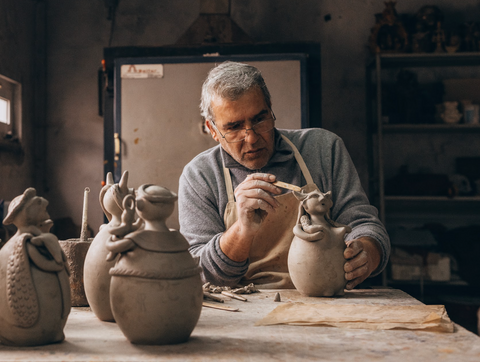
Ana Sincu is a master carver who works wood with hand tools only: chisels, gouges, knives, bench vices and sandpaper. She chooses the woods one by one, including black acacia, sucupira, cedar and olive. The Coffee Spoons, a set of four, follow everything said above. The Wooden Comb asks for something else: it does not go in the shower. Remove the hair, wipe it with a slightly damp cloth and, now and then, a drop of oil spread with your fingers brings back its shine. The same goes for the hairpin.
Vago's bowls are a different story. They come from wood that survived the wildfires, worked by Luca, a self-taught carver from the Serra da Estrela, and they are signature pieces to keep on display. The Cracked Bowl, for example, keeps its cracks on purpose. Dust it with a dry or slightly damp cloth, with no detergent and no soaking, away from radiators and strong sun. If you plan to use them with food, talk to us first. The story is in The bowl that was born from fire.
So when does a wooden spoon reach the end? Later than you think. Replace it if it has deep cracks, black spots that do not wash out, which are a sign of mould, or soft areas in the wood. Colour stains on their own are not a problem; they fade with use. In the end, a well cared for wooden spoon does not get old. It gains history.
For more wood and wool pieces that warm a home, read A cosy home in winter: 10 ideas with handmade pieces. And to start with Ana Sincu's work, the Carved Wood Pack brings together the coffee spoons and the hairpin.
Frequently asked questions
Can you put a wooden spoon in the dishwasher?
No. Heat and moisture dry out the wood's natural oils, so it cracks or splinters. It is best to wash it by hand and dry it immediately.
What oil should I use on wooden spoons?
A food grade mineral oil. Olive oil and cooking oils tend to go rancid and leave a smell.
How do I get a smell out of a wooden spoon?
With coarse salt and half a lemon, or a paste of baking soda and water; then rinse and let it air dry.
Can wooden utensils be left to soak?
It is not advisable: water seeps into the fibres and the piece warps or cracks as it dries. A quick rinse is fine.
When should a wooden spoon be thrown away?
When deep cracks, persistent black spots or soft areas appear. Colour stains alone are no reason to replace it.
Where can I buy handmade wooden utensils?
At Ra-Ro, which has spoons, a comb and a hairpin by Ana Sincu, carved entirely by hand, and burnt wood bowls by Vago from the Serra da Estrela.

 -10%Rare Combinations
 November Selection