购物车
0
Lisbon and the estuary
Lisboa e Tejo
The Tagus estuary is one of the largest wetlands in Europe. On its banks salt is still made by hand and plants that live on it are harvested. Across the river, in Lisbon, two workshops work wood slowly.
Junethe first salt harvest at Marinha do Canto
6 speciesof halophyte plants in the vegetable salt
4 makersbetween Alcochete and Lisbon
Estuary salt
The Samouco salt pans, in Alcochete, were once the largest in the country. Today Marinha do Canto remains. In March the pans are cleaned, in June the first harvest is raked, and the salt dries in its own time until it is bagged, until mid September.


Plants that live on salt
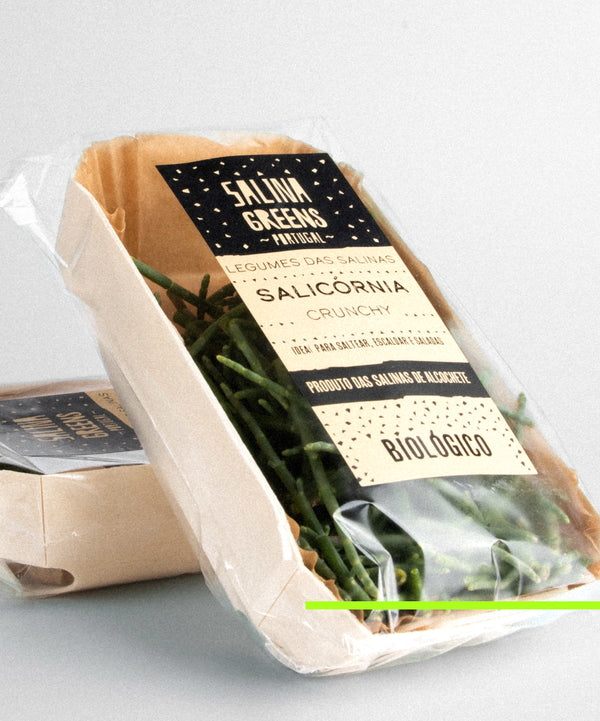
Salina Greens harvests halophyte plants in the Alcochete salt pans: plants that live in salty soil and store minerals. Its vegetable salt blends six native species that change with the season. It tastes of salt and is entirely plant based.


Spoons from pruned wood
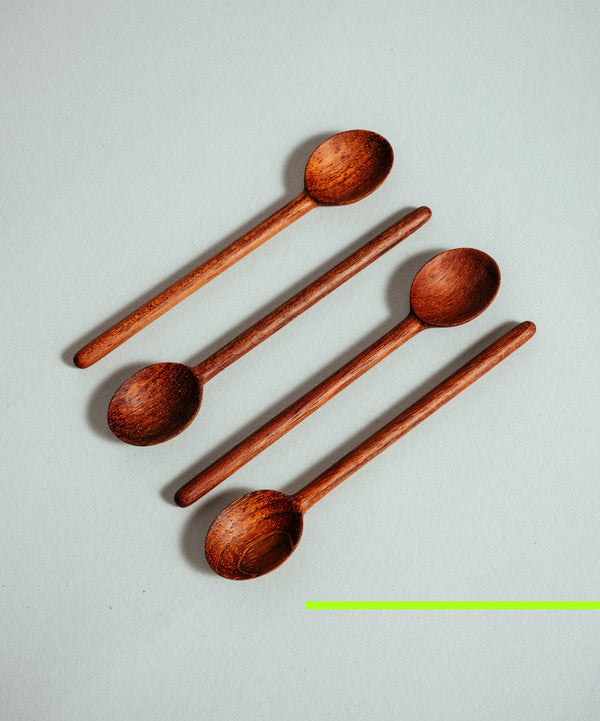
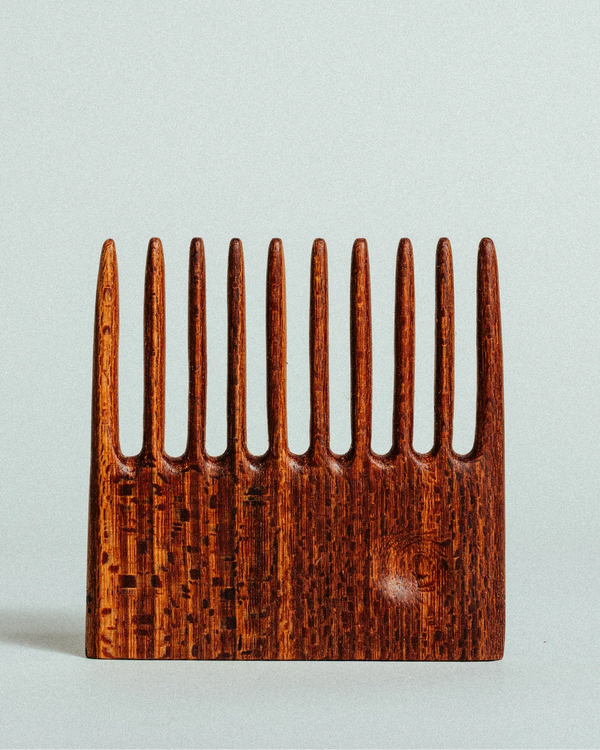
Ana Sincu was born in Moldova in 1992 and came to Portugal at 9. She studied Fine Arts in Lisbon and, during lockdown, began carving pruned apricot, olive and plum wood. Only with hand tools. Each spoon comes out different, depending on the wood.


Marquetry
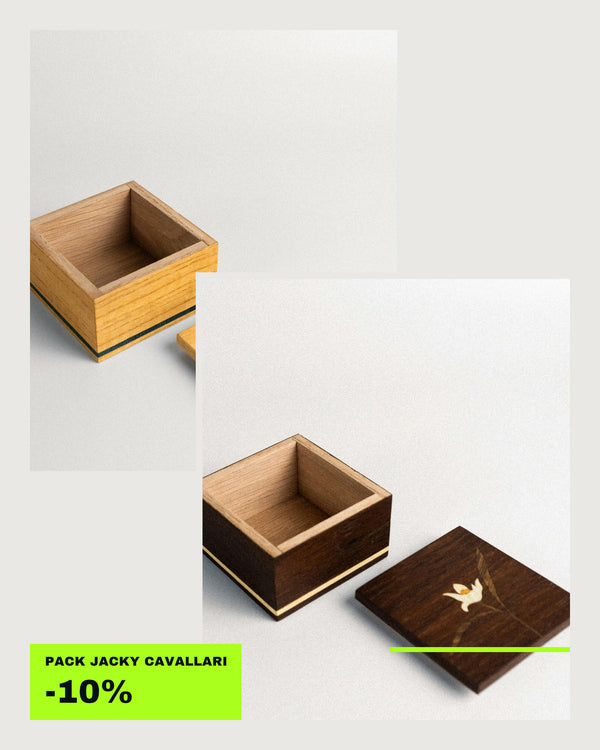
Jacky Cavallari was born in Paris, trained in marquetry at the École Boulle and lived ten years in Brazil. He chose Lisbon for his studio. He paints without paint: he cuts thin wood veneers and fits them together, without a single nail, into pictures of plants and birds.


Take the whole Tagus home
The same pieces, from the same maker, gathered in packs that cost 10% less than buying them separately.



 秋季
秋季 -10%Packs
 地区
地区