Cart
0
Aguardente DOC Lourinhã is a wine brandy, distilled from wine and aged in wood, made in the Lourinhã Demarcated Region in western Portugal. It was demarcated in 1992 and is the first and only demarcated region in the country devoted solely to brandy.
Origin and history
The region was created by Decree-Law 34/92 of 7 March 1992. Before that, trials at the Dois Portos wine research station confirmed the quality of brandies made from local wines. Local promotion presents Lourinhã as one of three European wine brandy regions, alongside Cognac and Armagnac in France. To be precise, Europe has other geographical indications for wine brandy. What sets Lourinhã apart is that it is demarcated exclusively for brandy, with no DOC wine of its own.
The Adega Cooperativa da Lourinhã was founded in 1957 by local grape growing families, who joined forces to make wine and distil together.
How it is made
It all starts in the vineyard. Lourinhã's soils, under a climate that is both Atlantic and Mediterranean, give mostly white grapes with low alcohol and high acidity, qualities prized for distilling. Varieties include Alicante-Branco, Boal Espinho, Marquinhas, Malvasia Rei (Seminário), Tália, Fernão Pires, Rabo de Ovelha, Seara Nova and Vital. Red varieties such as Castelão, Tinta Miúda and Cabinda are also allowed.
The wine is distilled continuously in a copper column to between 74 and 77 degrees of alcohol. The brandy then ages in wood. The rules require at least two years before sale. At the Adega Cooperativa da Lourinhã, ageing lasts at least five years, in Portuguese oak, French oak and chestnut barrels, with no colouring. The colour comes only from time.
Where it comes from
The region covers the parishes of the Lourinhã municipality, such as Lourinhã, Ribamar, Santa Bárbara, Vimeiro, Miragaia, Moita dos Ferreiros, Reguengo Grande and São Bartolomeu dos Galegos, plus neighbouring areas of Peniche, Óbidos and Bombarral. Certification is handled by the Lisbon Regional Wine Commission.
How to recognise Aguardente DOC Lourinhã
Look on the label for DOC Lourinhã and certification by the Lisbon Regional Wine Commission. It is a wine brandy, made from wine, not a bagaceira, which is distilled from grape pomace. The amber colour comes from the wood. On the nose you find vanilla, dried fruit and wood. Serve it at 18 to 20 °C in a balloon glass, slowly.
Where to buy
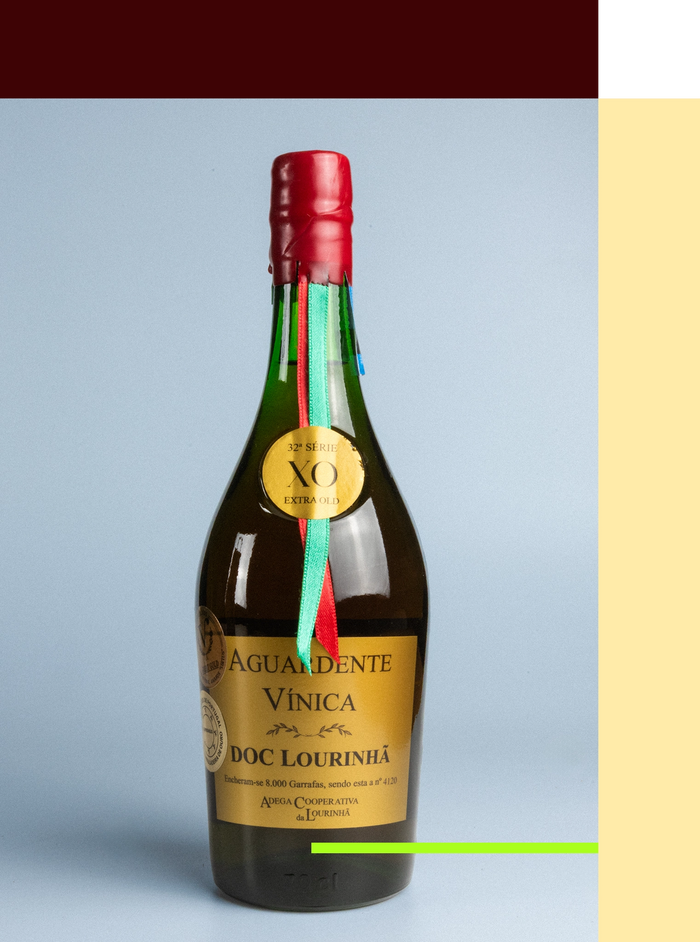
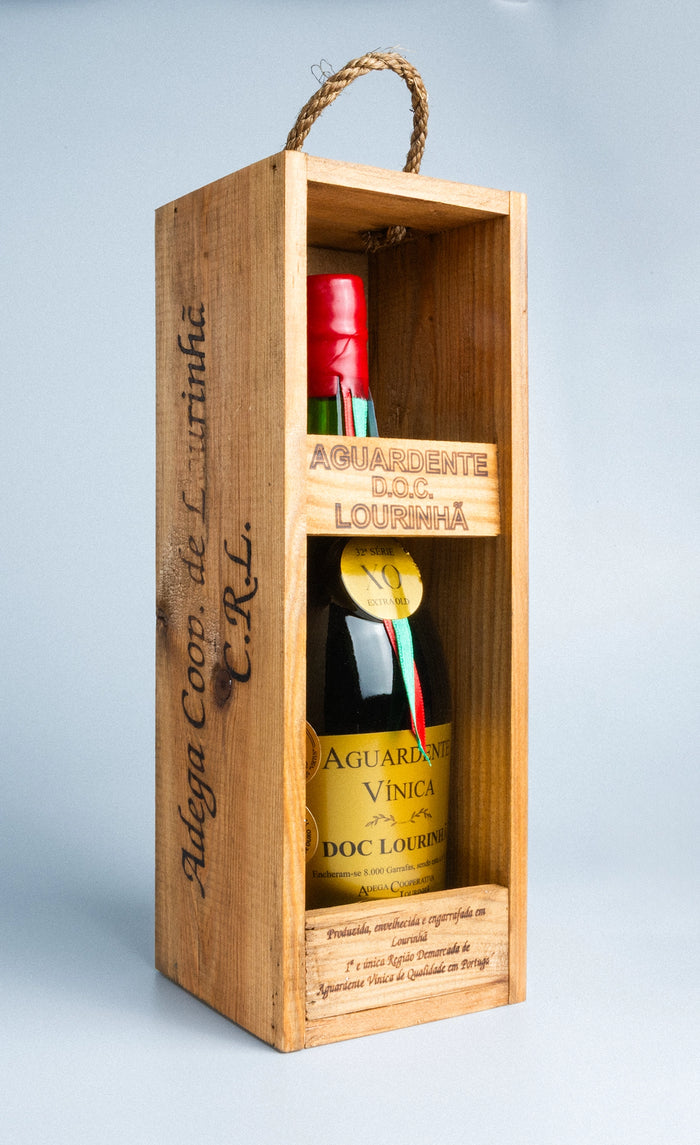
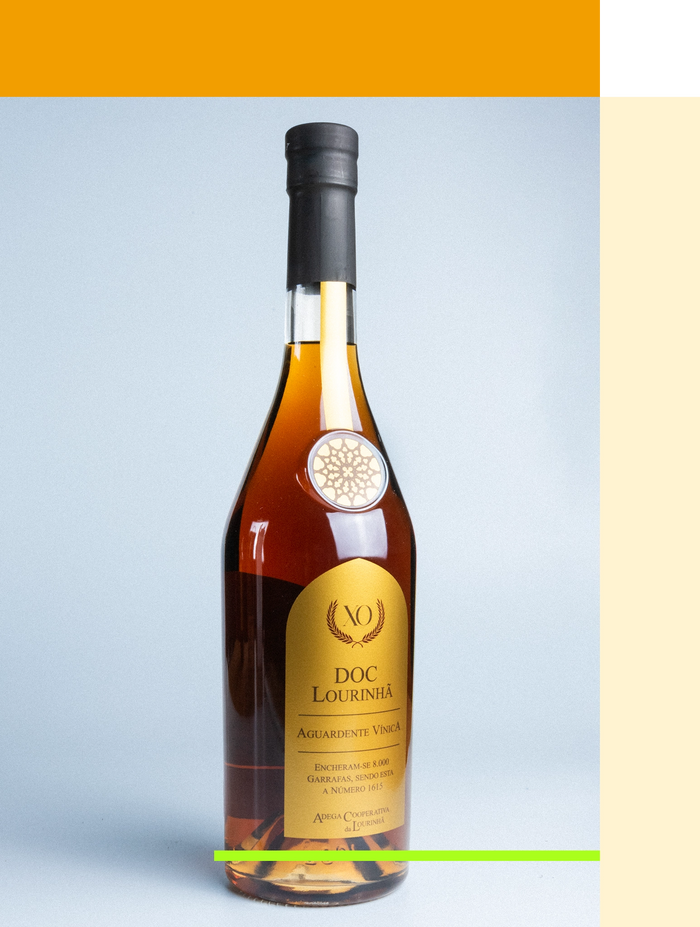
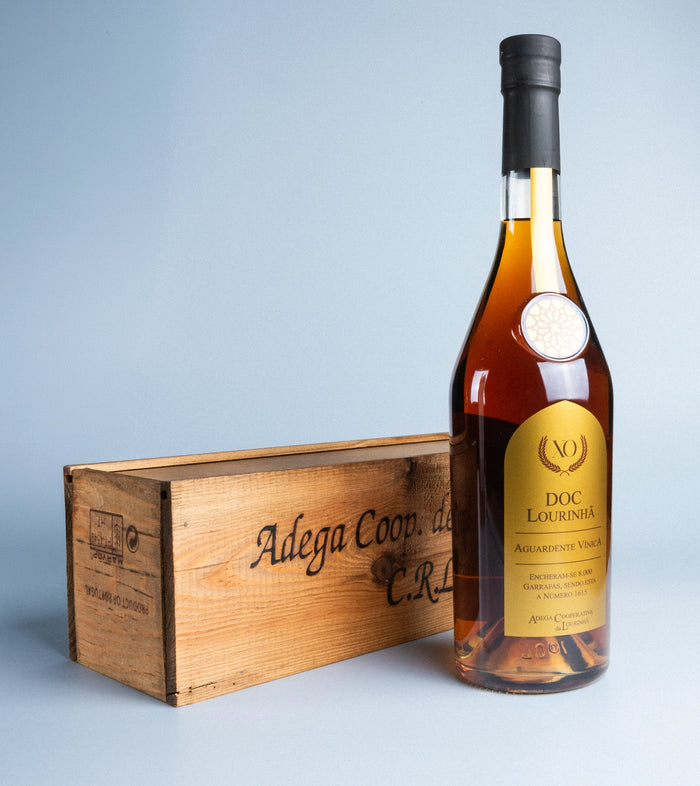
At Ra‑Ro you will find two brandies from the Adega Cooperativa da Lourinhã. Aguardente Lourinhã Clássica is an XO from the 32nd Series, a limited edition of 8,000 bottles aged in barrels 10 to 28 years old. Aguardente Lourinhã Matriz is a young XO with citrus and vanilla notes that also shines in cocktails. For other Portuguese spirits, read about medronho brandy and see the Ra‑Ro rarity index.
Frequently asked questions
Is Lourinhã brandy the same as bagaceira?
No. Aguardente DOC Lourinhã is a wine brandy, distilled from wine and aged in wood. Bagaceira is distilled from pomace, the skins and remains of grapes after pressing.
When was the Lourinhã demarcated region created?
By Decree-Law 34/92 of 7 March 1992. It is the first and only demarcated region in Portugal devoted solely to brandy.
How long is Aguardente DOC Lourinhã aged?
The rules require at least two years in wood before sale. At the Adega Cooperativa da Lourinhã, ageing lasts at least five years, in oak and chestnut.