Cart
0
Água-pé, jeropiga and new wine: what Portugal drinks on St Martin's Day
Água-pé, jeropiga and new wine are the three drinks of St Martin's Day in Portugal. How each is made, how they differ and how to serve them with chestnuts.

In this article
 By Luís Serra, co-founder of Ra-Ro · View profile
About a 5 minute read

On St Martin's Day, 11 November, Portugal drinks three things with its chestnuts: água-pé, jeropiga and new wine. Água-pé is a light drink made by adding water to the grape pomace left after pressing. Jeropiga is grape must with grape spirit added to stop fermentation, so it is sweet and stronger. New wine is the wine from that year's harvest, tasted for the first time at this point in the year.
Água-pé, jeropiga and new wine in short
- Água-pé: water poured over grape pomace; light, with around 2 to 6% alcohol.
- Jeropiga: must with grape spirit; sweet, with around 15 to 18% alcohol.
- New wine: the wine of the year, still young, which tradition says to taste on St Martin's Day.
- How to serve: cool, in small glasses, with roast chestnuts.
- At Ra-Ro: we do not sell água-pé or jeropiga, but we have what sets the table for a magusto, from the black clay Chestnut Roaster to drinks from small producers.
What is água-pé
Once grapes have been trodden and pressed for wine, the pomace is left: skins, seeds and stalks. In home wineries, water was poured over that pomace and left to ferment for a few days. The liquid drawn off was água-pé, literally "foot water": a cloudy, low alcohol, slightly sharp drink that went with the first chestnuts of the year. Some people add a little grape spirit, which makes it stronger.
Água-pé has one peculiarity today: under European wine rules it may only be used for distillation or for the wine producer's own family consumption. That is why it is mostly drunk in the homes of people who make wine and does not sit on shop shelves like a bottle of wine.
What is jeropiga
Jeropiga is made from must, freshly pressed grape juice. When the must starts to ferment, grape spirit is added. The alcohol stops fermentation and the grape's natural sugar stays in the drink. The result is sweet, full bodied and much stronger than wine, at around 15 to 18% alcohol. Unlike água-pé, jeropiga can be produced and sold as long as it meets the legal requirements.
Because it contains grape spirit, the quality of that spirit matters. If you want to try a Portuguese wine brandy on its own, in a small glass, Aguardente Lourinhã Matriz (€51.10) is DOC Lourinhã and is aged in French oak, Portuguese oak and chestnut casks. We tell the story of the region in Aguardente DOC Lourinhã.
New wine: why it is tasted on St Martin's Day
Grapes are picked at the end of summer and in early autumn. By November the wine from that harvest has just been made and it is time for the first taste. A Portuguese proverb says: "On St Martin's Day, go to the cellar and taste the wine." New wine is young, fresh and fruity, made to be drunk early rather than kept for years.
For lovers of wines with a story, Vinho dos Mortos (€24.40), from Boticas in Trás-os-Montes, is almost the opposite of new wine: it is buried in the ground, a custom local tradition links to the passage of Napoleon's army. Read more in Vinho dos Mortos.
Água-pé, jeropiga and new wine: the differences
- What it is made from: água-pé, pomace and water; jeropiga, must and grape spirit; new wine, must fermented all the way.
- Alcohol: água-pé is the lightest, jeropiga the strongest, new wine sits in between.
- Taste: água-pé is light and a little sharp; jeropiga is sweet; new wine is fresh and fruity.
- Where to find it: água-pé, mostly in the homes of winemakers; jeropiga and new wine can also be bought.
How to serve them with chestnuts
Tradition asks for little: roast chestnuts, a fire and a small glass. Jeropiga is served slightly chilled, between 8 and 10°C, and água-pé a little warmer, between 10 and 12°C.
- Roast: score the chestnuts and roast them in the Chestnut Roaster (€101.30), made of Gondar black clay fired in a soenga. The step by step guide is in Magusto at home.
- Serve: the Black Clay Púcaro (€36.20) brings the drink to the table, and the Cerne de Madeira Glasses (€62.20), a pair of glasses by Samuel Reis, suit the new wine.
- Moderation: jeropiga is strong and sweet, so one small glass is enough. Alcohol is not for minors or for anyone driving.
- Alcohol free: grape juice or a hot tea also go well with chestnuts.
Other traditional drinks for a magusto
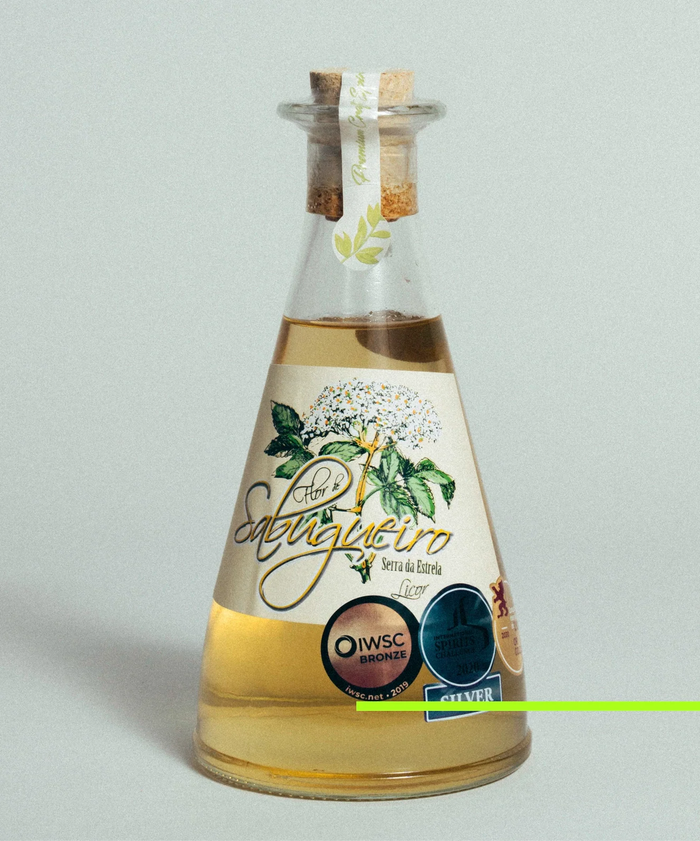
If you have no água-pé to hand, other Portuguese drinks keep chestnuts good company. Traditional Mead (€21.80), by Zimbro Licores Serrano, is the ancient fermented honey drink; find out more in Mead: what it is. The Elderflower Liqueur (€22.20), from the same producer, is made with elderflowers picked at 800 metres and is served at the end, as a digestif. We cover it in Traditional Portuguese liqueurs.
To learn where the celebration comes from, read Magusto: what it is. And to set the whole table, see our Magusto November page, with the pieces and flavours we chose for this time of year.
Frequently asked questions
What is água-pé?
A light drink made by adding water to grape pomace after pressing and letting it ferment. It has around 2 to 6% alcohol and is drunk on St Martin's Day with chestnuts.
What is the difference between água-pé and jeropiga?
Água-pé is made from pomace and water and is light. Jeropiga is made from must with grape spirit, which stops fermentation, so it is sweet and stronger, at around 15 to 18% alcohol.
Why can you not buy água-pé in shops?
Under European wine rules, água-pé may only be used for distillation or for the producer's family consumption. Jeropiga, on the other hand, can be sold.
What is St Martin's new wine?
The wine made from that year's harvest, which is ready for its first tasting in November. The proverb says: "On St Martin's Day, go to the cellar and taste the wine."
At what temperature is jeropiga served?
Slightly chilled, between 8 and 10°C. Água-pé is served a little warmer, between 10 and 12°C.
When is St Martin's Day in Portugal?
On 11 November every year. It is the day of the magusto, with roast chestnuts, a fire and new wine.

 Autumn
 -10%Packs
 Regions