Cart
0
Cesar Teixeira Handmade byCésar Teixeira
Vinegar Jar
36,20 €
Available
Ra-Ro IndexVery RareWhat is the Ra-Ro Index?Traditional clay is fired. Gondar's dark clay is forged. Forged from the fire of the soenga, a technique invented by local artisans in the early 17th century, where a traditional open-air fire bursts into flames reaching a temperature of 1000ºC,...
Read the story of the piece- Worldwide shipping
- Free returns within 14 days
- Secure, encrypted payment
 Handmade byCésar Teixeira
Dimensions
Care
Shipping and returns
Shipping time: Approximately > 3 weeks
We ship worldwide. You have 14 days to return the piece free of charge. Payment is secure and encrypted.
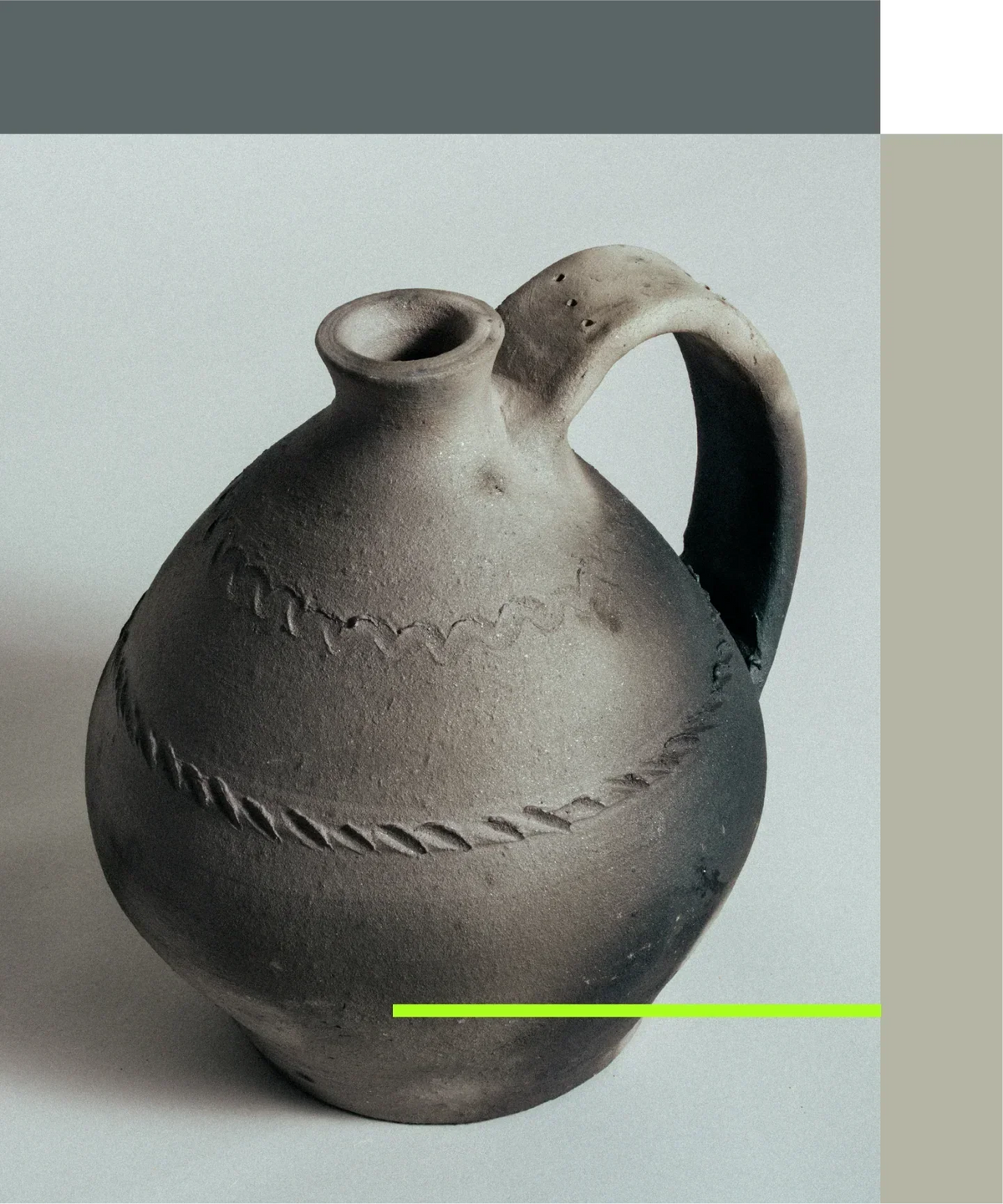
Black clay from Gondar
Vinegar Jar
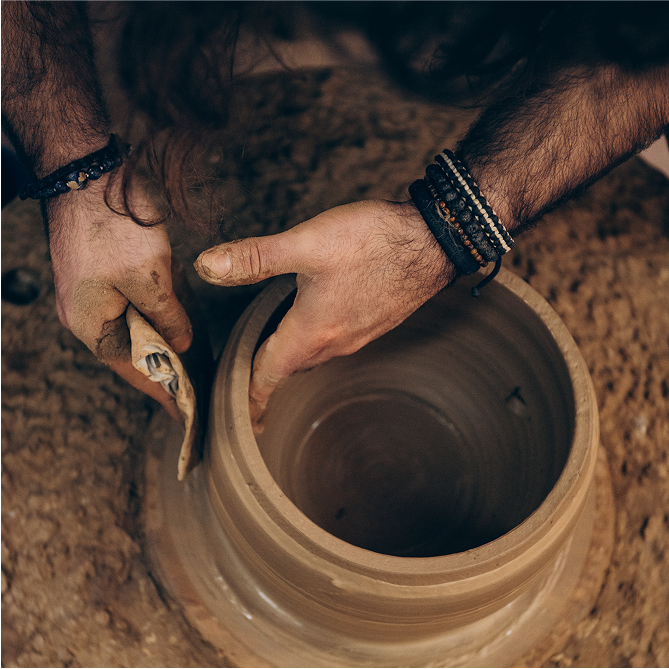
Shaped by hand on the low wheel and fired in the soenga, in the open air.
The story
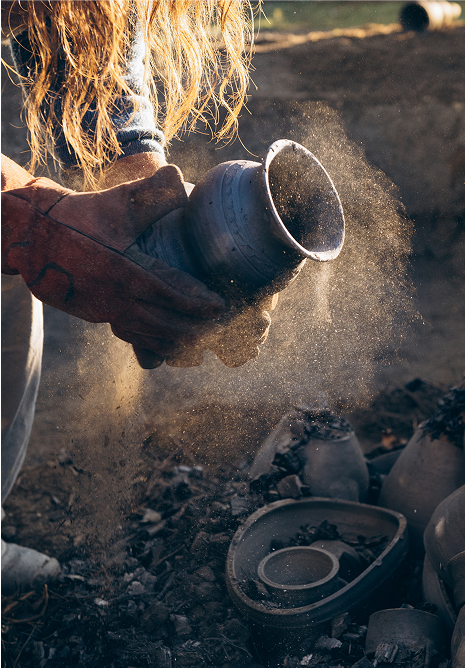
Gondar black clay is not painted. It gets its colour in the *soenga*, a centuries-old firing done in pits in the ground, where *fire and smoke* wrap the piece. César Teixeira and his son João are among the *last guardians* of this art.
Story of the piece
Vinegar Jar
A dark clay piece born from an ancestral fire.
Traditional clay is baked. The dark clay of Gondar is forged. Forged from the fire of the soenga, a technique invented by local artisans in the early 17th century, where an outdoor, traditional fire bursts into flames that reach a temperature of 1000ºC, infusing the clay pieces with black smoke, giving them their historically unique hue.
As you read this, César Teixeira and his son João, from the village of Gondar (Minho, Portugal) are the last people on Earth who still conjure the soenga to make elegant, mysterious, dark clay pieces like this Vinegar Jar (vinagreira) - utilitarian and decorative, however it suits your taste.
In numbers
The piece in facts.
Handmade100%
Entirely manual work, from the low wheel to the soenga.
Guardians of the craft2
César Teixeira and his son João, among the last to master this knowledge.
Identical pieces0
Each piece has its own variations in colour, texture and shape.
Made in fire. Kept in smoke.
See the piece
See every detail.
Overview
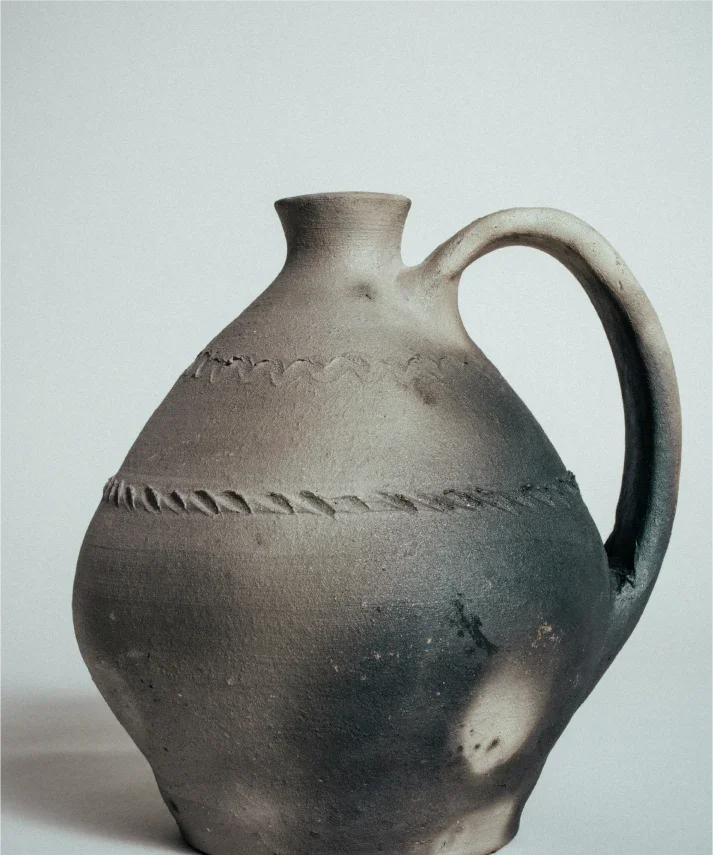
The vinegar jar
A piece of traditional pottery, shaped by hand on the low wheel.
- 1The neckWhere it pours.
- 2The handleJoined by hand, in a wide arch.
- 3Wavy lineDecoration made by hand in the clay.
- 4Raised cordRuns around the body of the piece.
Front view
The body
The rounded shape of traditional Minho pottery.
- 1Wavy lineDrawn by hand, different on every piece.
- 2Raised cordA decorative band around the body.
- 3Soenga marksFire and smoke leave their own tones on every piece.
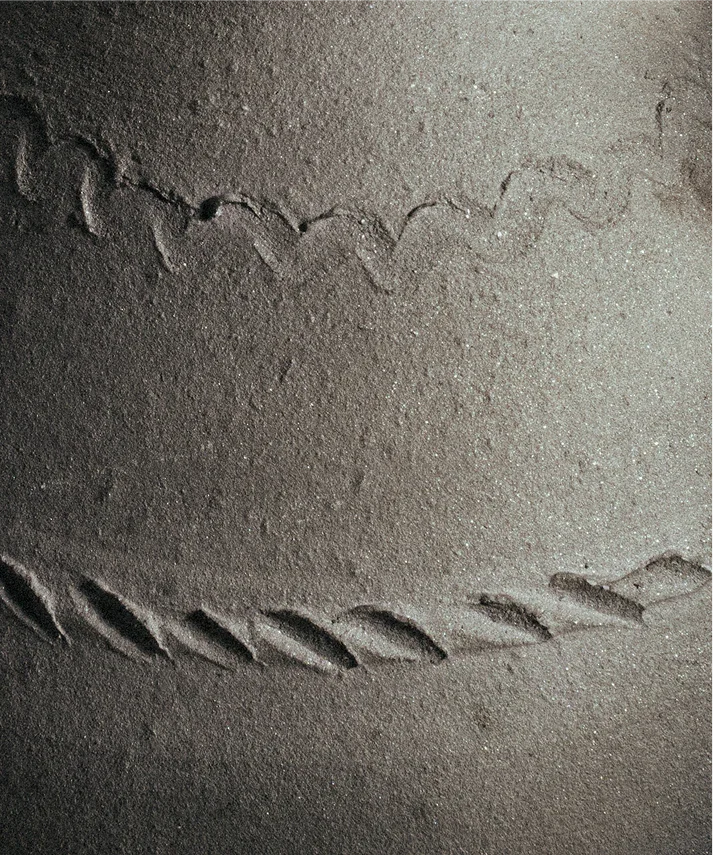
Close up
The texture
Up close you can see the smooth, silky finish of the black clay.
- 1Wavy lineThe maker’s gesture is engraved in the clay.
- 2SurfaceSmooth, silky finish.
- 3CordRelief in the shape of a rope.
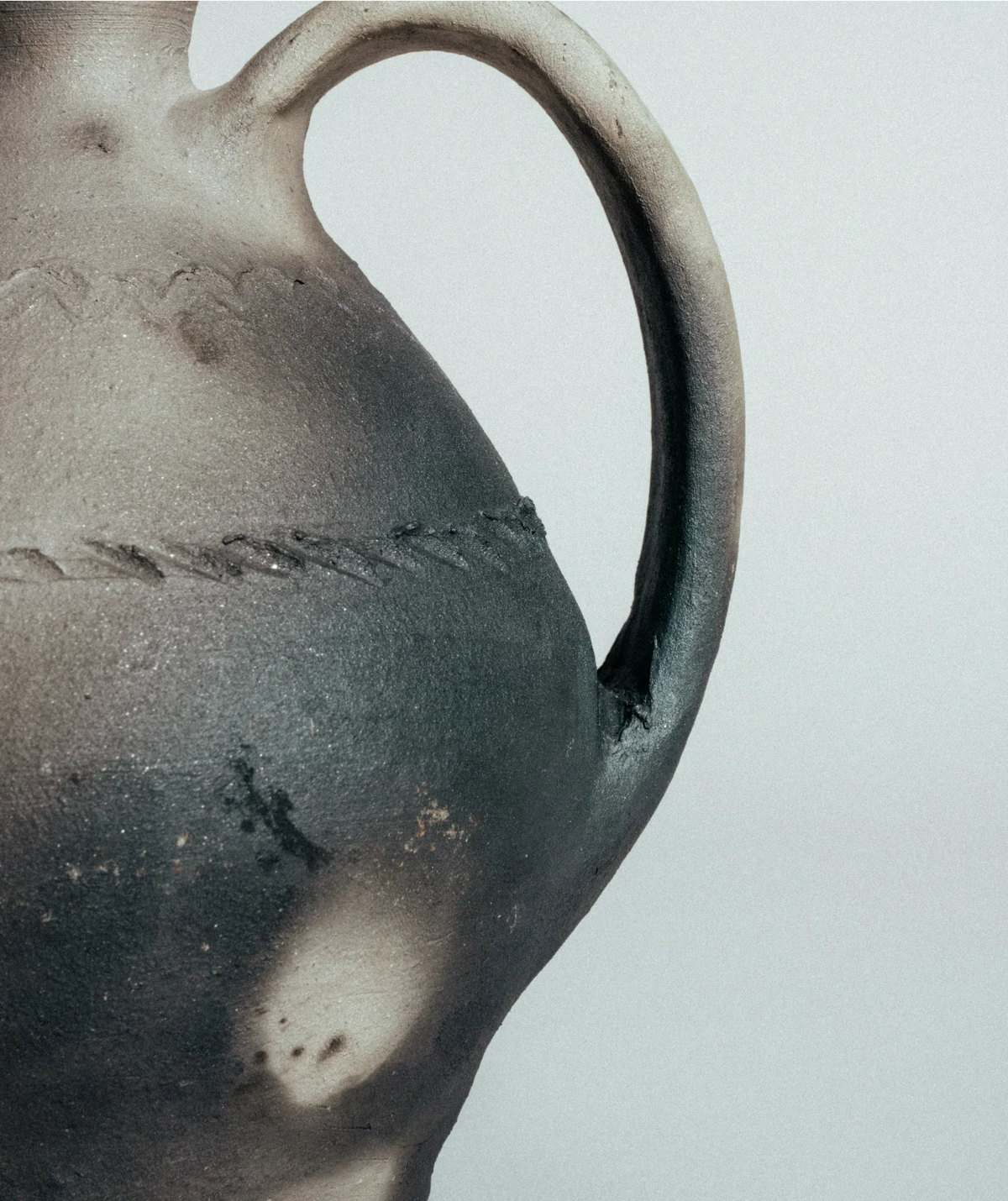
Side view
The handle
The handle follows the curve of the body, from neck to belly.
- 1The handleShaped and joined by hand.
- 2Raised cordContinues all around the piece.
- 3Fire marksTones that vary from piece to piece.
About the piece
Dimensions and care.
Dimensions
Care
Shipping time

Meet the Producer
THE LAST MASTER OF SOENGA
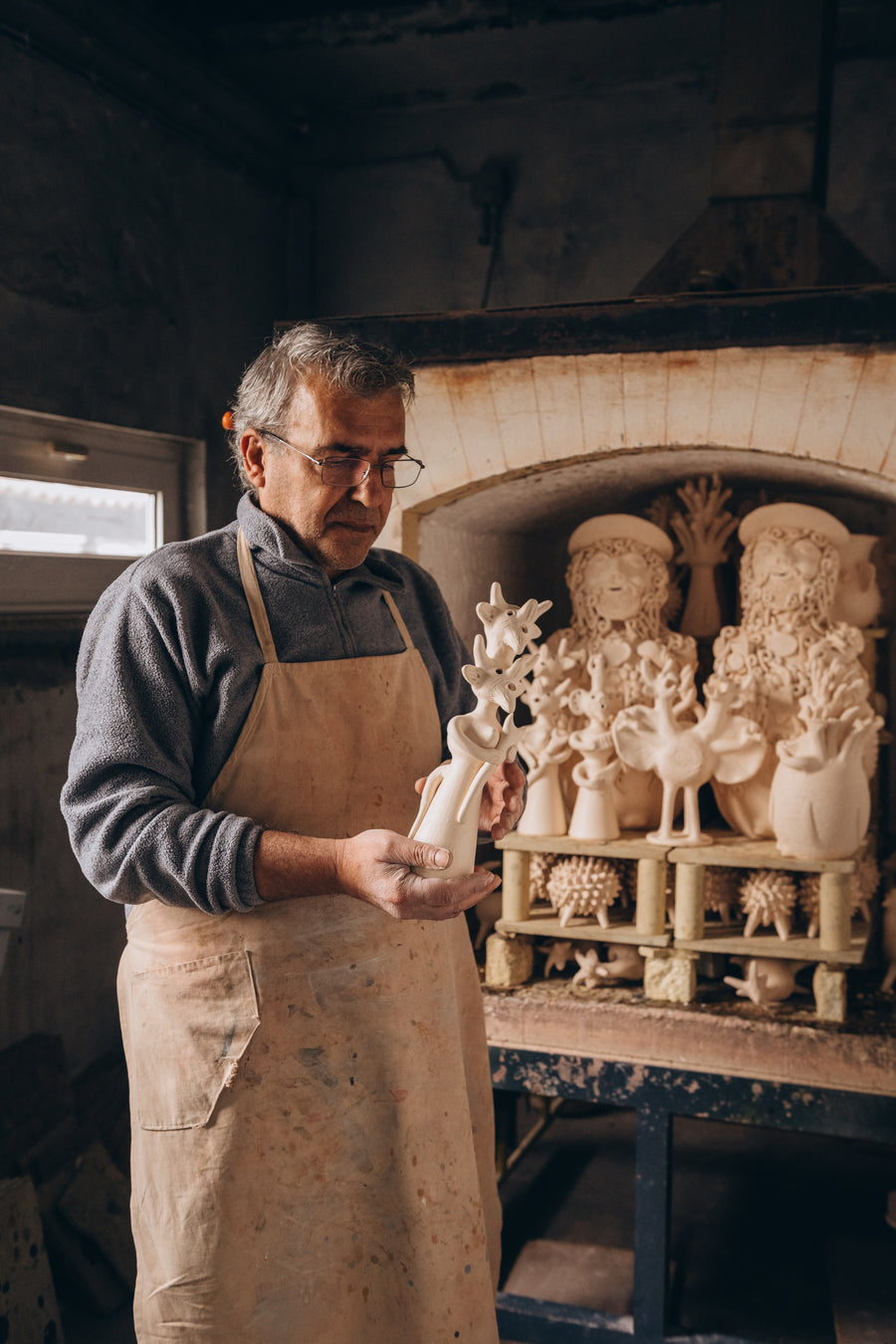
César Teixeira is the last active soenga master in Europe, preserving a 17th-century craft that transforms clay into art pieces darkened by fire, with the help of his son João.
discover the story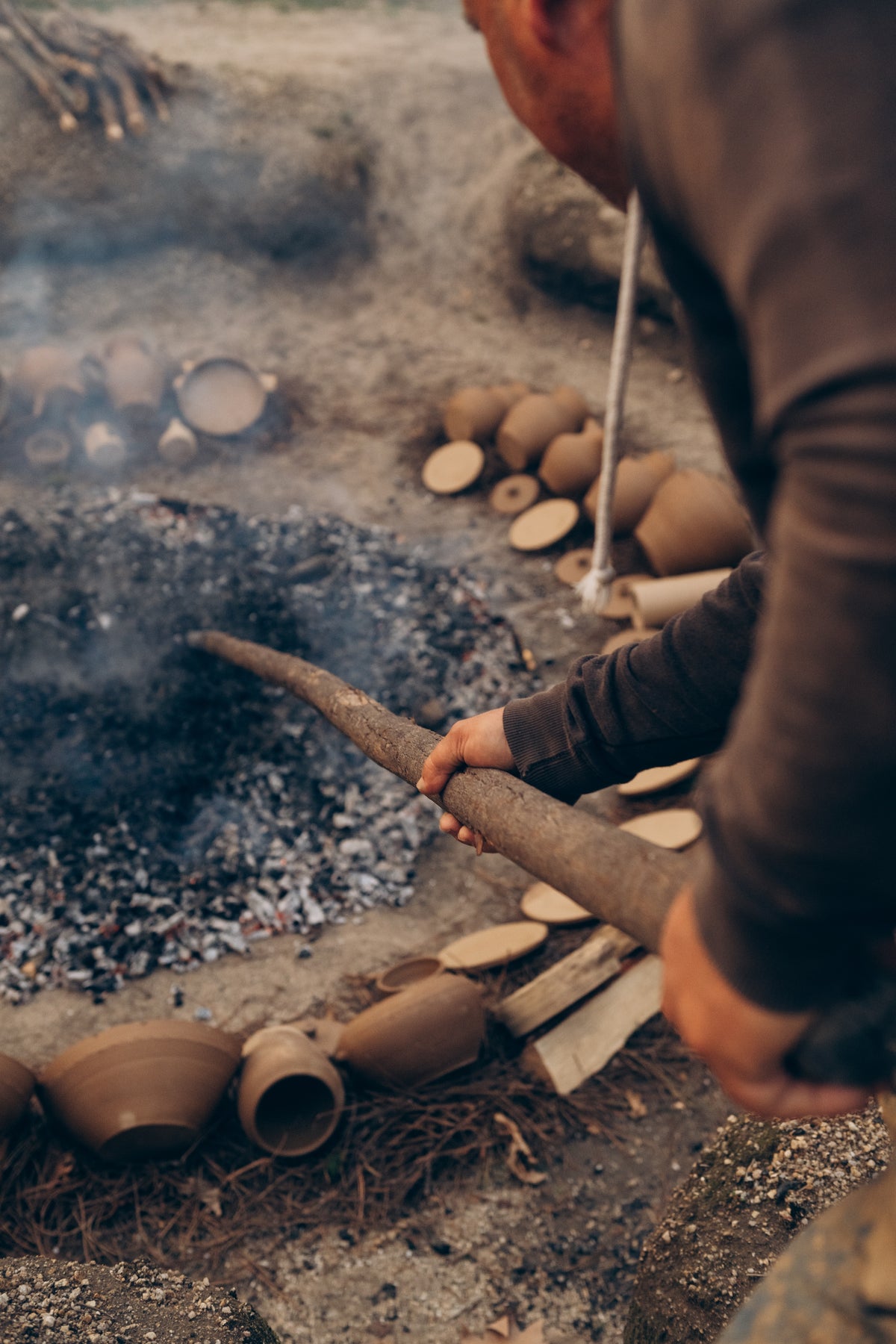
The journey
Cesar Teixeira
Origins and training
César Teixeira was born in 1969 in Gondar, a small village in Amarante, where he still lives and works. At 18 he apprenticed under master potter Manuel Teixeira and learned two rare, ancestral techniques he never let go: the low, horizontal, manual wheel for shaping clay, and the soenga, a pit firing that echoes ancient pagan rituals and turns clay pieces into works darkened by fire.
Practice and legacy
César still holds a day job at the local hospital, but the black clay of Gondar remains his life. He is the last active soenga master in Europe, preserving a craft whose roots in Gondar go back to the 17th century. And guess what? His workshop is in an old, closed primary school, the very one where he learned to read and write as a boy.
Continuity across generations
But César is no longer alone. His son João joined him after returning from Caldas da Rainha, where he trained in ceramics at the renowned ESAD. He has learned the gestures, the patience and the right timing of fire and earth.
Community and preservation
Together they work to commission and run public soengas and workshops, inviting others to shape and fire, to keep the ceramic heritage of Gondar alive.
Traditional clay is fired. The dark clay of Gondar is forged. Forged in the fire of the soenga, a technique that turns clay into works of art with centuries of history. César Teixeira and his son João are the last people on Earth who still summon the soenga to make elegant, mysterious clay pieces. This vinegar cruet is more than a functional or decorative object; it is a living testament to cultural resilience. Each piece carries the ancestral warmth of the fire, the patience of gestures learned across generations, and the memory of a village that keeps its identity alive through clay.
From the same maker
More from Cesar Teixeira
Questions
Everything you need to know.
What is this piece?
Black clay cruet from Gondar, hand-thrown on the low wheel and pit-fired by the soenga method by César Teixeira. Traditional Minho pottery, unique piece.
Which region is it from?
It comes from Minho, in Portugal. At Ra-Ro, every piece is tied to its origin and to the territory where it is made.
Who makes this piece?
It is made by Cesar Teixeira, the producer Ra-Ro works with directly for this piece.
What technique is used?
This piece is made using the Olaria technique.
Are all pieces identical?
As a handmade piece, it may vary slightly from one example to another. That variation is part of its authenticity.
Do you ship worldwide?
Yes, Ra-Ro ships worldwide.
How do returns work?
You have 14 days for a free return.
Is payment secure?
Yes, all payments are processed securely and encrypted.
Bring to your table a craft that fire has kept alive.
36,20 € · available to ship
Buy nowWorldwide shipping14 days for free returnsSecure payment
More pieces
You may also like
Your journey