Cart
0
Alentejo: a travel guide to the plains, from cante to the viola campaniça
A guide to the Alentejo: what to see, cante singing and the viola campaniça, and which crafts to bring home, from pottery to Arraiolos rugs, wool blankets and cork.

In this article
 By Tiago Reis, co-founder of Ra-Ro · View profile
About a 6 minute read

The Alentejo covers about a third of mainland Portugal, between the Tagus and the Algarve: open plains, cork and holm oak woodland, whitewashed towns and border castles. To see, there is Évora, Monsaraz and Alqueva, Marvão and Castelo de Vide, Elvas, Estremoz and Mértola. To hear, cante alentejano and the viola campaniça. To bring home, pottery from São Pedro do Corval and Estremoz, Arraiolos rugs, Alentejo wool blankets and cork.
The Alentejo in short
- Where it is: in southern Portugal, from the Tagus down to the Algarve hills, with a long border with Spain.
- What to see: Évora, Monsaraz, Marvão, Castelo de Vide, Elvas, Estremoz, Vila Viçosa and Mértola.
- Living heritage: cante alentejano (UNESCO, 2014), cowbell making (2015), Estremoz clay figures (2017) and the community festivities of Campo Maior (2021).
- Crafts: pottery, Arraiolos rugs, wool blankets, cork and cowbells.
- At Ra-Ro: the Viola Campaniça by Instrumentos Valente. For now, it is our only clearly Alentejo piece.
What to see in the Alentejo
- Évora: the historic centre has been a UNESCO World Heritage Site since 1986. The Roman temple, the cathedral and the Chapel of Bones can be seen on foot in a morning.
- Monsaraz and Alqueva: a walled hilltop village overlooking the Alqueva reservoir, one of the largest artificial lakes in Europe. At night the dark skies of the area draw stargazers.
- Marvão and Castelo de Vide: two towns in the Serra de São Mamede, one perched on a cliff, the other with a Jewish quarter and fountains.
- Elvas: the bastioned fortifications of this border town have been World Heritage since 2012.
- Estremoz and Vila Viçosa: marble country, home of the Ducal Palace and of the clay figures.
- Mértola: a museum town above the Guadiana, where the old mosque became the parish church.
Cante and the viola campaniça
Cante alentejano is group singing in several voices with no instruments: one singer starts the song, a higher voice answers and the whole group joins in. It was born in the fields and the taverns, and in 2014 UNESCO inscribed it as Intangible Cultural Heritage of Humanity. It is worth looking for a choir at a village festival rather than hearing it on a stage.
The viola campaniça is the steel string guitar of the Baixo Alentejo, from around Castro Verde, Ourique and Odemira. It accompanied dances and cante ao baldão, an improvised sung duel between singers. In the twentieth century it nearly disappeared and was revived by players and makers who started teaching it again. At Ra-Ro we have the Viola Campaniça handmade by Instrumentos Valente (€1920.00). If you are choosing between instruments, read Viola Campaniça, Viola Braguesa and Cavaquinho: differences and prices, and there is a short summary in the glossary.
Which crafts to bring home from the Alentejo
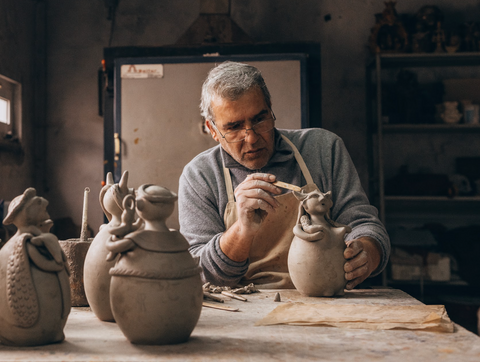
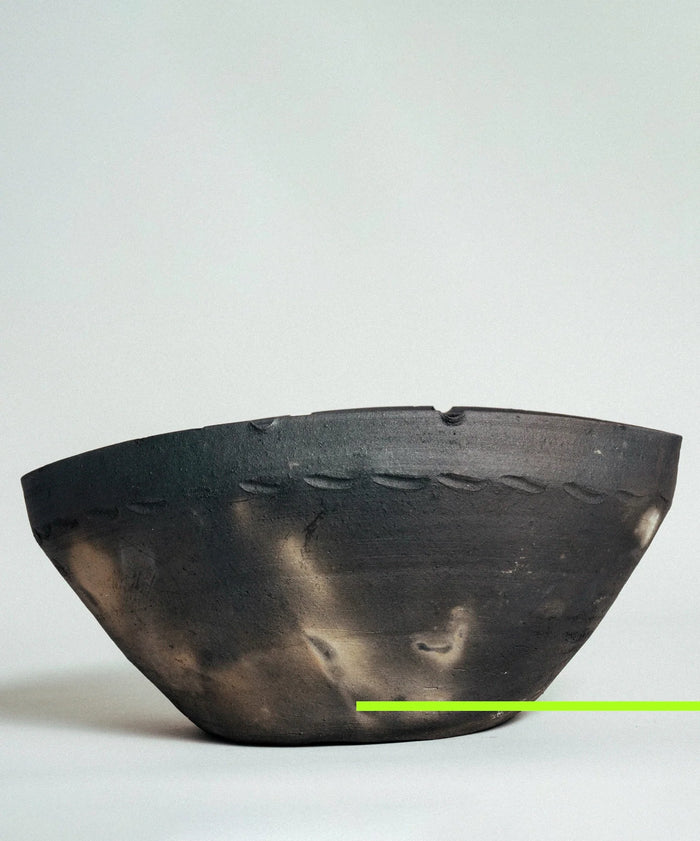
- Pottery: São Pedro do Corval, in Reguengos de Monsaraz, is known as the capital of clay, with potteries side by side in the same village. Redondo is another centre for painted earthenware.
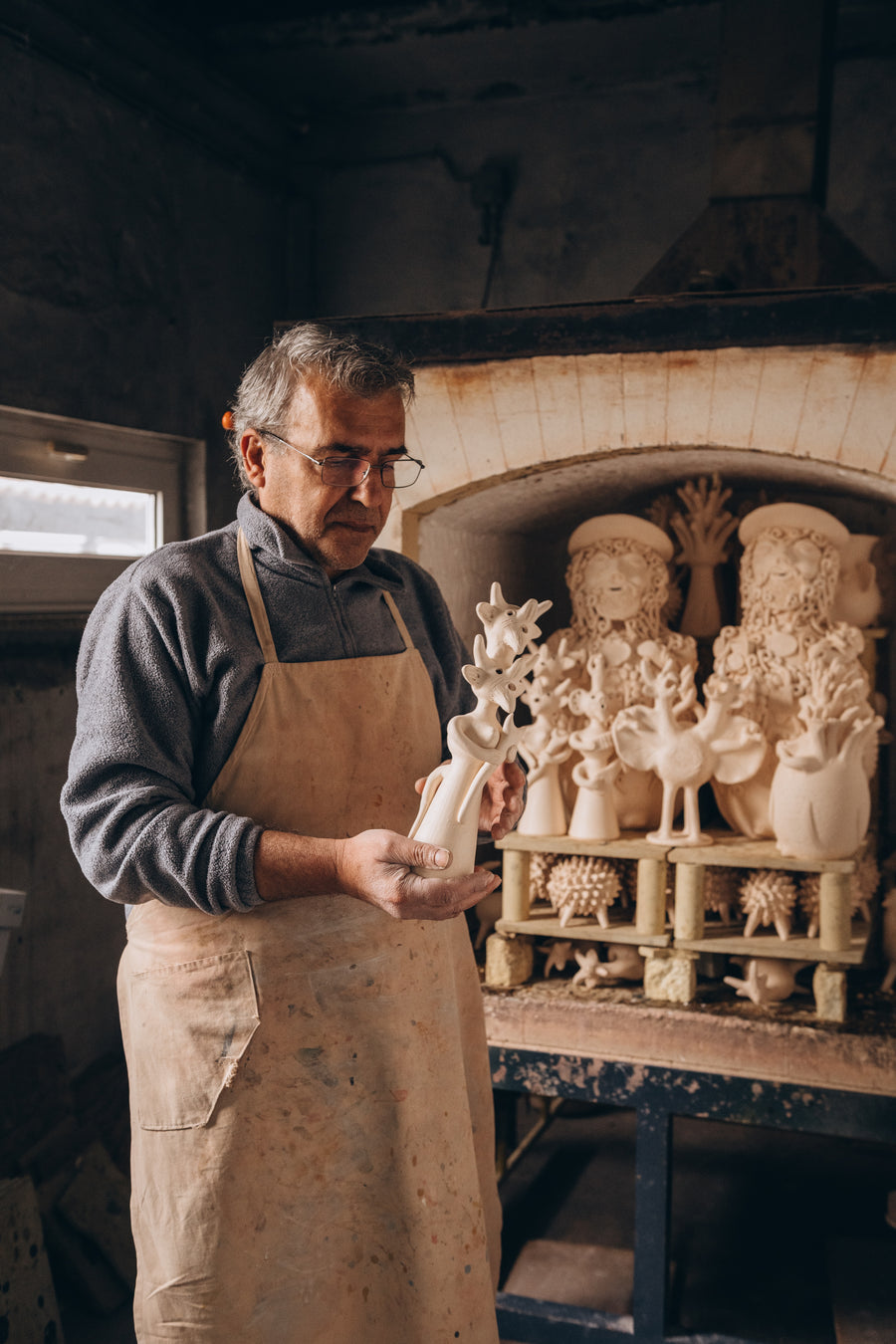
- Estremoz clay figures: hand painted figures of shepherds, saints and rural scenes, inscribed by UNESCO in 2017.
- Arraiolos rugs: embroidered by hand with wool on canvas, stitch by stitch. A large rug takes months.
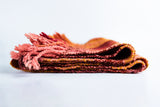
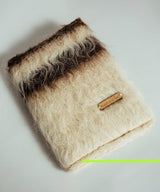
- Alentejo blankets: wool blankets woven on looms, striped or with geometric patterns, still made in Reguengos de Monsaraz and Mértola.
- Cork: the cork oak woodland, the montado, is the landscape of the Alentejo, and Portugal is the world's largest cork producer. A cork oak can only be stripped every nine years, and the bark grows back.
- Cowbells: handmade in Alcáçovas, in Viana do Alentejo. In 2015 UNESCO placed this craft on its list of heritage in need of urgent safeguarding.
And at Ra-Ro, what is there from the Alentejo
To be honest: not much. The Viola Campaniça is the piece that carries the Alentejo with it. We do have carved cork, but we do not present it as Alentejo work: the Cork Devil (€51.20) and the Iron Man (€63.40) are figures by Porfírio Mendes, who works cork the way others work clay. And the Rockrose Box (€99.20), in marquetry by Jacky Cavallari, is not Alentejo craft, but it brings home the rockrose, the white flowered shrub that covers the dry hills of the south. Makers from each region are on the Regions page.
When to visit the Alentejo
In spring, when the plains turn green and full of flowers. In autumn, with mild temperatures and the grape harvest. Summer is very hot inland: it is the season for Alqueva and the Alentejo coast more than for the towns. In winter there are fewer visitors and fires burning, good for Évora, Marvão and Monsaraz.
Frequently asked questions
What to visit in the Alentejo?
Évora, Monsaraz and Alqueva, Marvão and Castelo de Vide, Elvas, Estremoz and Vila Viçosa, and Mértola. Évora and Elvas are UNESCO World Heritage Sites.
What is cante alentejano?
Group singing in several voices without instruments, born from work in the fields. UNESCO inscribed it as Intangible Cultural Heritage of Humanity in 2014.
What is the viola campaniça?
The traditional steel string guitar of the Baixo Alentejo, played at dances and in cante ao baldão. It nearly disappeared in the twentieth century and was revived by players and makers.
What crafts are typical of the Alentejo?
Pottery from São Pedro do Corval and Redondo, Estremoz clay figures, Arraiolos rugs, wool blankets, cork and the cowbells of Alcáçovas.
When is the best time to visit the Alentejo?
Spring and autumn, with mild temperatures. Summer is very hot inland and better suited to Alqueva and the coast.
Where to buy a viola campaniça?
At Ra-Ro, which has a Viola Campaniça handmade by Instrumentos Valente and ships to Portugal, Europe, the United States, Canada and Brazil.
 Autumn
 -10%Packs
 Regions